Top 10 Web Design Trends for 2026: Transform Your Digital Presence

web design

The digital landscape never stands still and neither should your website. As technology evolves and user expectations shift, keeping your design fresh and functional is key to staying competitive.

This guide explores the top web design trends transforming user experience, boosting conversions, and redefining how businesses connect with audiences online.

Why Web Design Trends Matter?

Web design trends are more than aesthetics, they define how users perceive, interact with, and trust your brand. As technology advances, these trends help your website remain modern, functional, and user-friendly.

Modern UX/UI design focuses on clean layouts, intuitive navigation, and seamless functionality across all devices. Fast-loading pages, accessible interfaces, and responsive designs ensure visitors enjoy a smooth experience whether they’re on desktop or mobile.

Failing to keep up can make your website look outdated and neglected, driving visitors away. By adopting the latest design trends, you create a modern, high-performing website that engages users and drives conversions.

If your current website feels outdated, it might be time to explore a redesign with an experienced web design and development partner.

Embrace the Dark Mode Trend

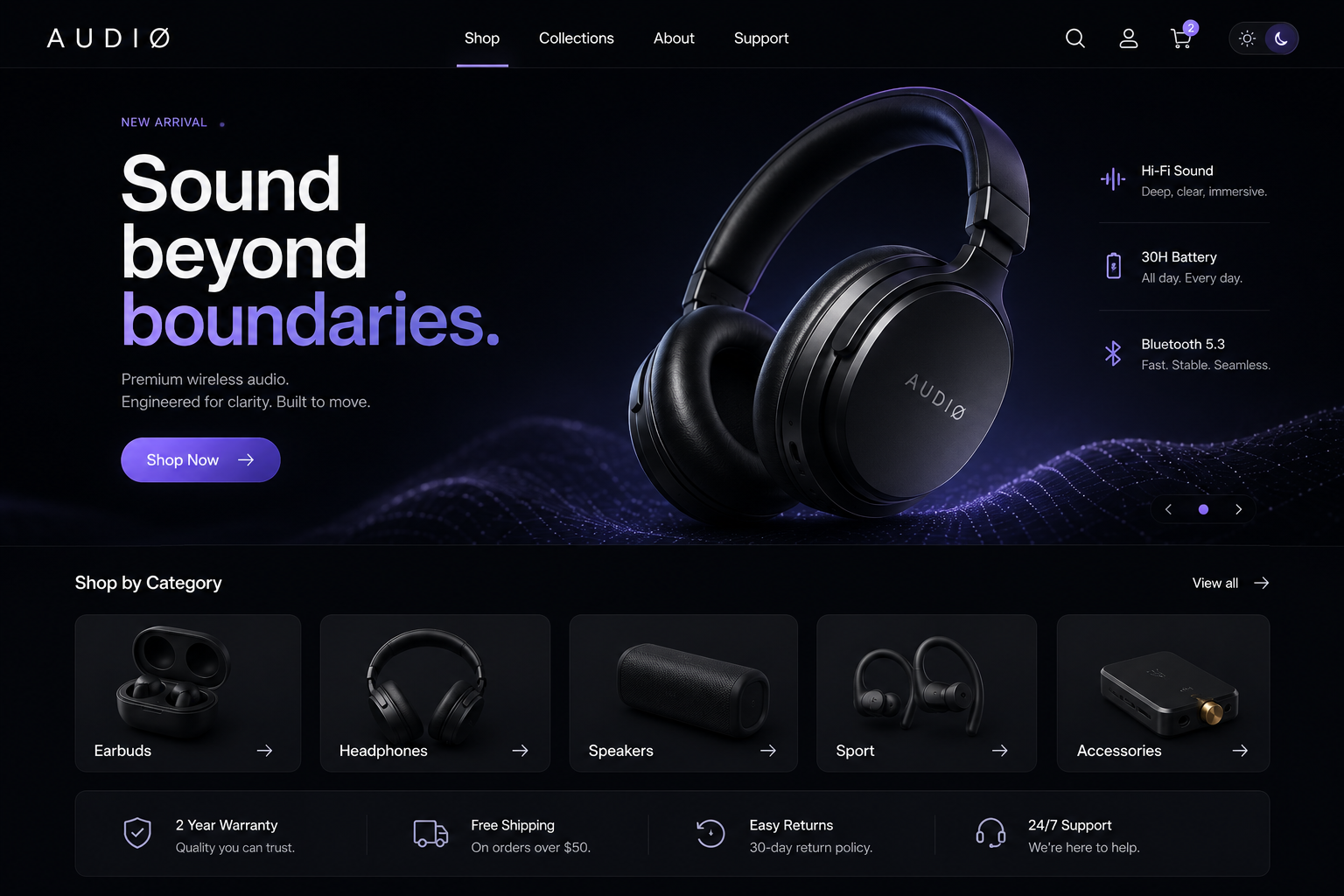
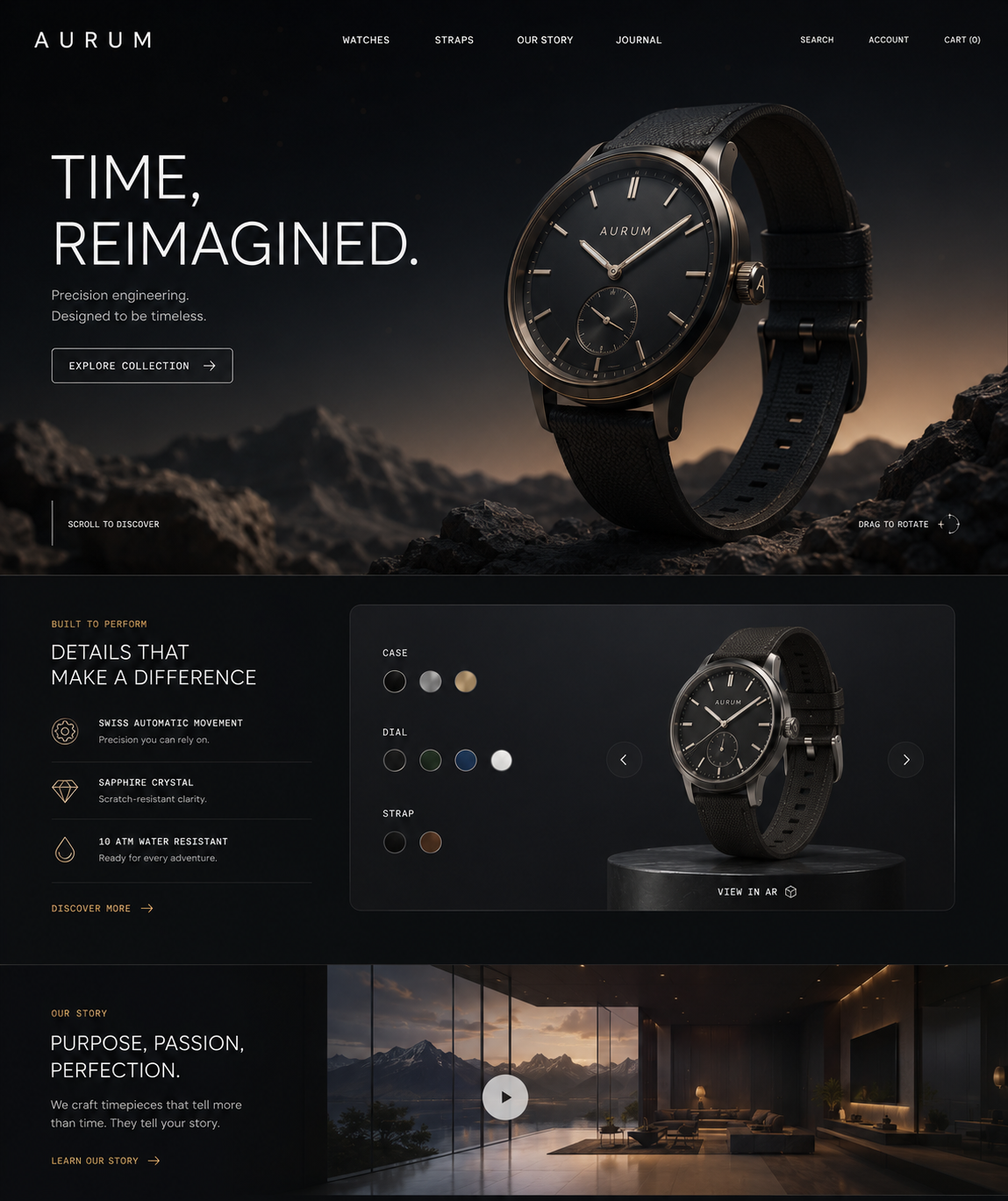
Dark mode has gained significant traction in recent years, offering an energy-efficient, eye-friendly alternative to traditional light themes. It has become a popular feature on mobile apps and operating systems, and now it’s making its way into web design.

  • Advantages: Dark mode reduces eye strain in low-light environments and offers a sleek, modern look.
  • Use Cases: Ideal for websites focused on tech, design, or entertainment.

Tip: Incorporate dark mode as an optional feature on your website to cater to user preferences. This small change can improve user satisfaction and engagement.

web design singapore trends

Minimalism in Web Design: Less Is More

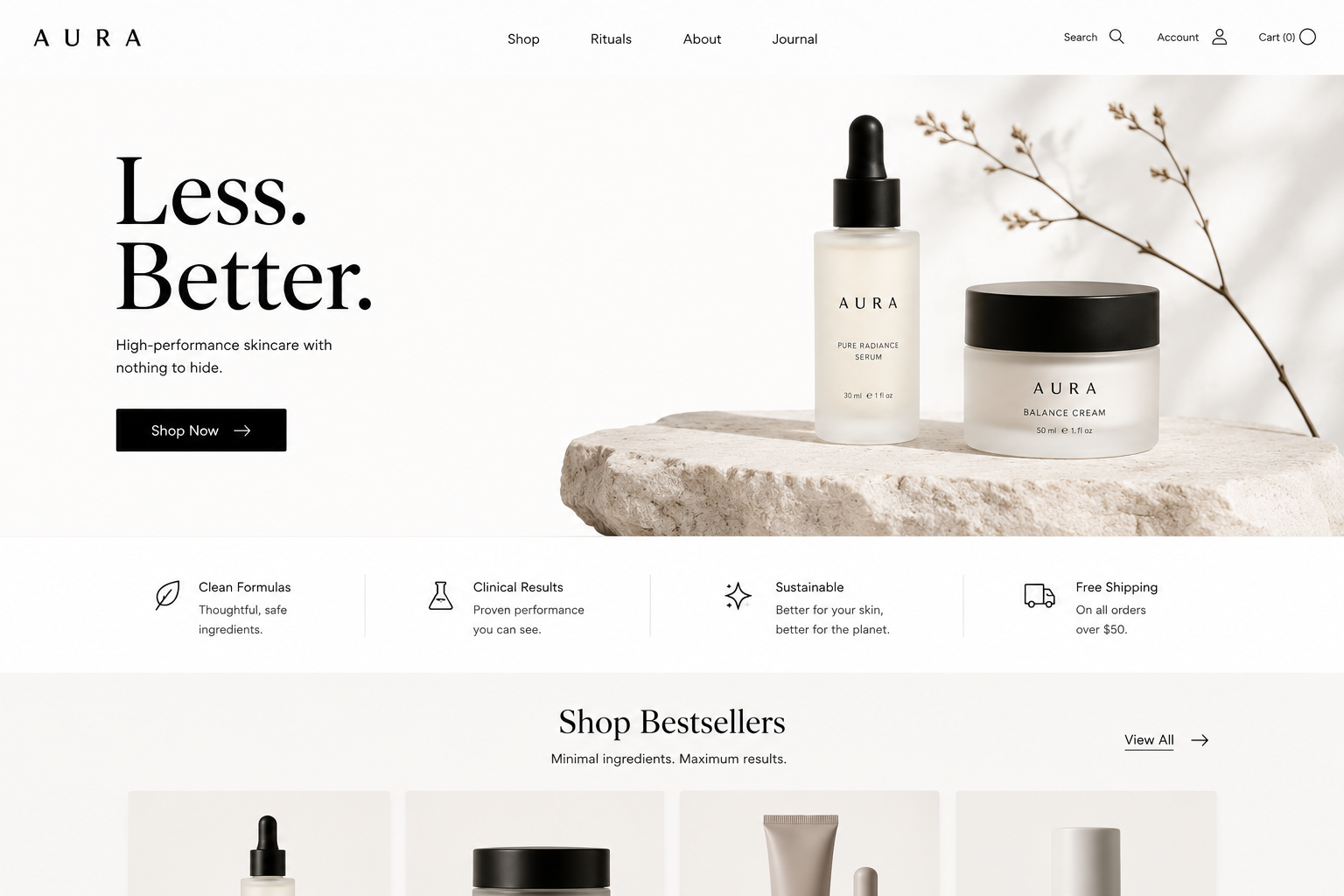
In the mobile-first era, minimalist design has become a must. This trend emphasizes simplicity by eliminating unnecessary elements, allowing users to focus on the content.

  • Advantages: Minimalist design reduces clutter, speeds up website performance, and enhances user navigation.
  • Best For: Websites that want a clean, professional look, such as corporate or portfolio sites.

Case Study: A client specializing in B2B services saw a 15% increase in conversion rates after simplifying their website layout and embracing minimalist design. Read the full case study here.

web design singapore trends

Brutalist Design Revival

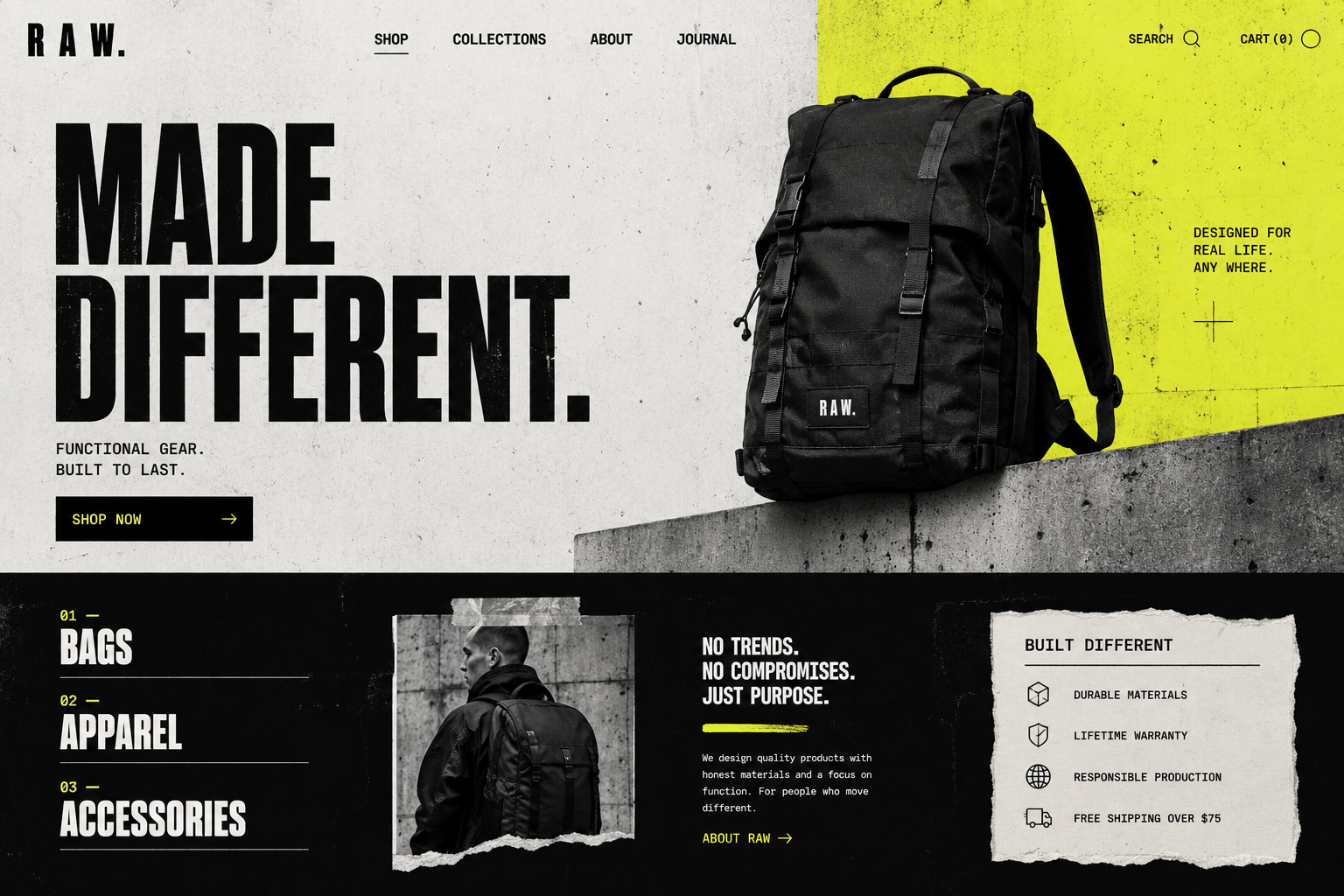
After years of sleek minimalism and soft gradients, brutalism is making a bold comeback in 2026. Defined by raw typography, exposed grids, and an unapologetically unfinished look, brutalist design celebrates authenticity over polish.

This aesthetic strips away decorative noise to reveal design fundamentals structure, type, and layout. It’s inspired by the raw energy of early internet culture and underground print design, updated with modern UX sensibility.

Today’s brutalism isn’t about chaos it’s about honesty. It creates visual tension that draws attention and communicates confidence. For brands seeking to stand out from cookie-cutter templates, brutalist design offers a refreshing sense of individuality and creative rebellion, while still maintaining clarity and usability.

Anti-Design and the Return of Human Touch

Not every website needs to be pixel-perfect. In 2026, anti-design embraces imperfection as a form of authenticity. This trend breaks away from the rigid rules of symmetry, balance, and predictability instead celebrating chaos, texture, and experimentation.

Designers are intentionally introducing asymmetrical layouts, unconventional typography, clashing colours, and layered visuals to convey individuality and human warmth. The result is a digital experience that feels raw, real, and emotionally resonant.

This “perfectly imperfect” style resonates especially well with creative brands, lifestyle companies, and social media-driven audiences seeking personality over polish. When executed thoughtfully, anti-design transforms a website from looking generic to feeling genuinely alive.

Colour Trends

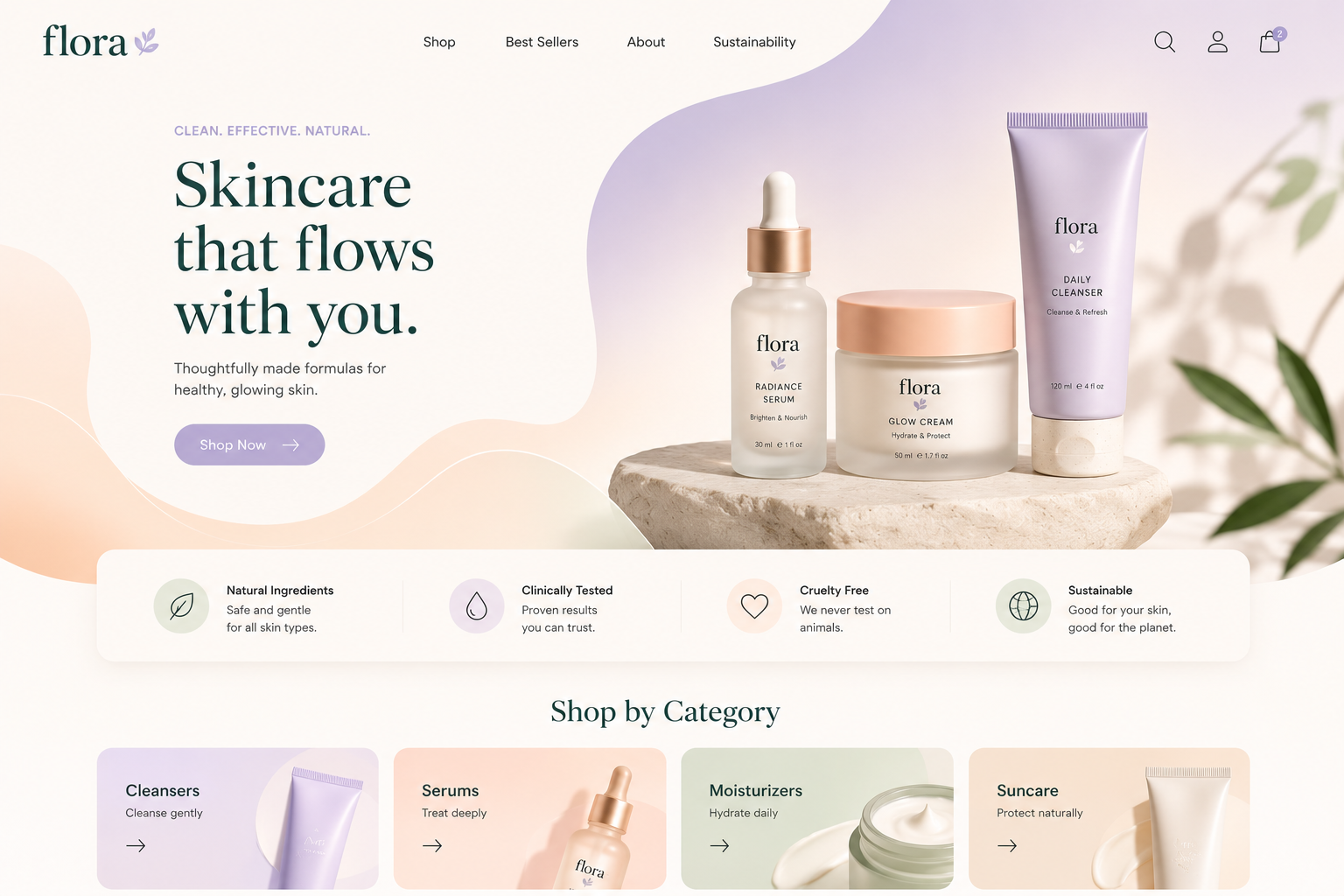
Colour trends in web design go beyond aesthetics, they set the mood, shape perception, and influence how users feel as they browse your site. The right palette can turn an ordinary page into an engaging, memorable experience.

Bright and bold tones bring energy and excitement, perfect for brands that want to feel dynamic and modern. In contrast, soft, muted hues create a calm and welcoming atmosphere that encourages longer browsing and trust.

Designers often select colour combinations based on the message a brand wants to convey whether that’s innovation, reliability, or creativity. As design styles evolve, so do colour palettes. New gradients, contrasts, and duotone techniques are helping websites look fresh and future-ready.

When used effectively, colour enhances readability, guides visual flow, and subtly directs user attention. Keeping up with modern colour trends ensures your website not only looks appealing but also delivers a smoother, more enjoyable user experience.

Big Blocks with Vivid Contrast

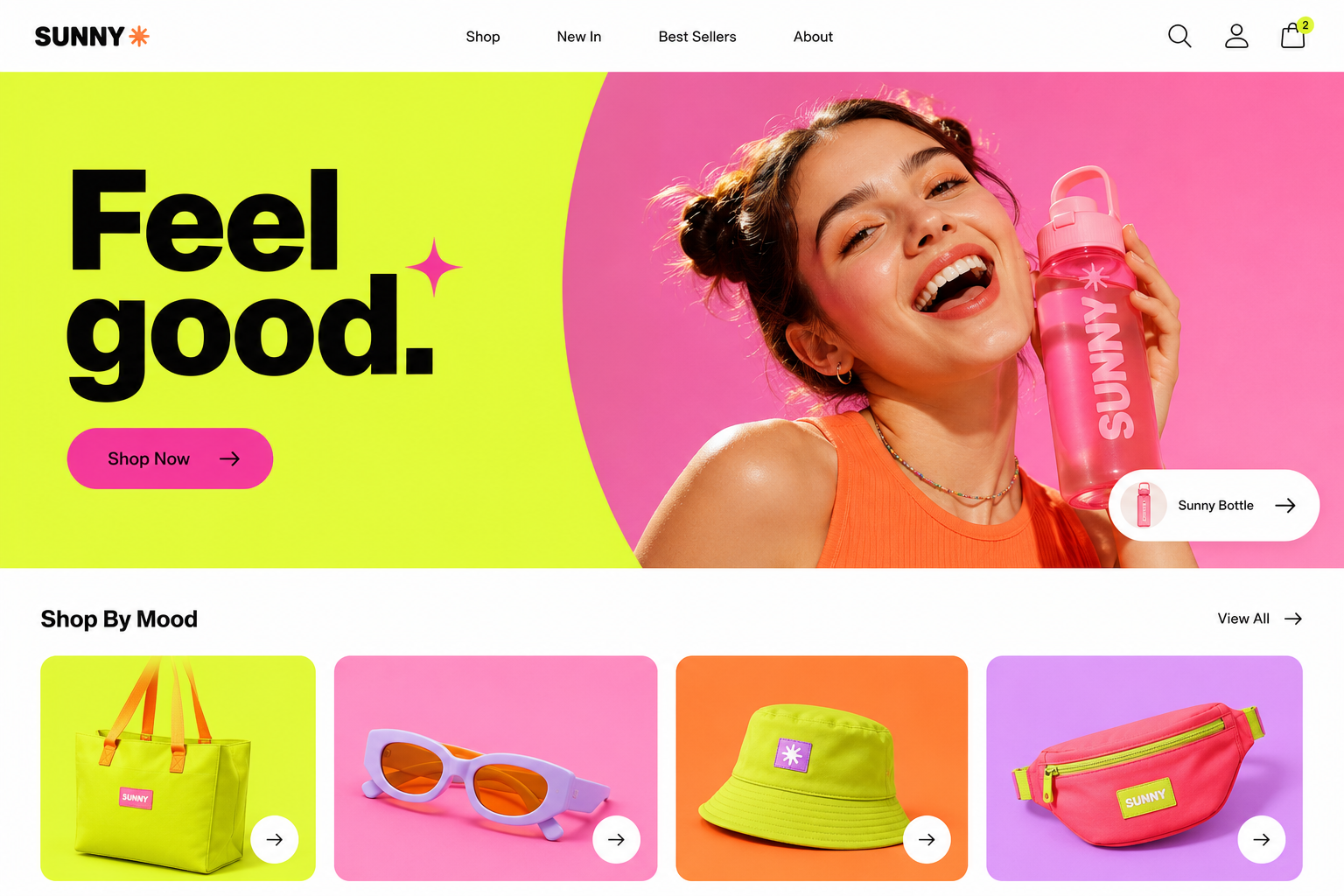
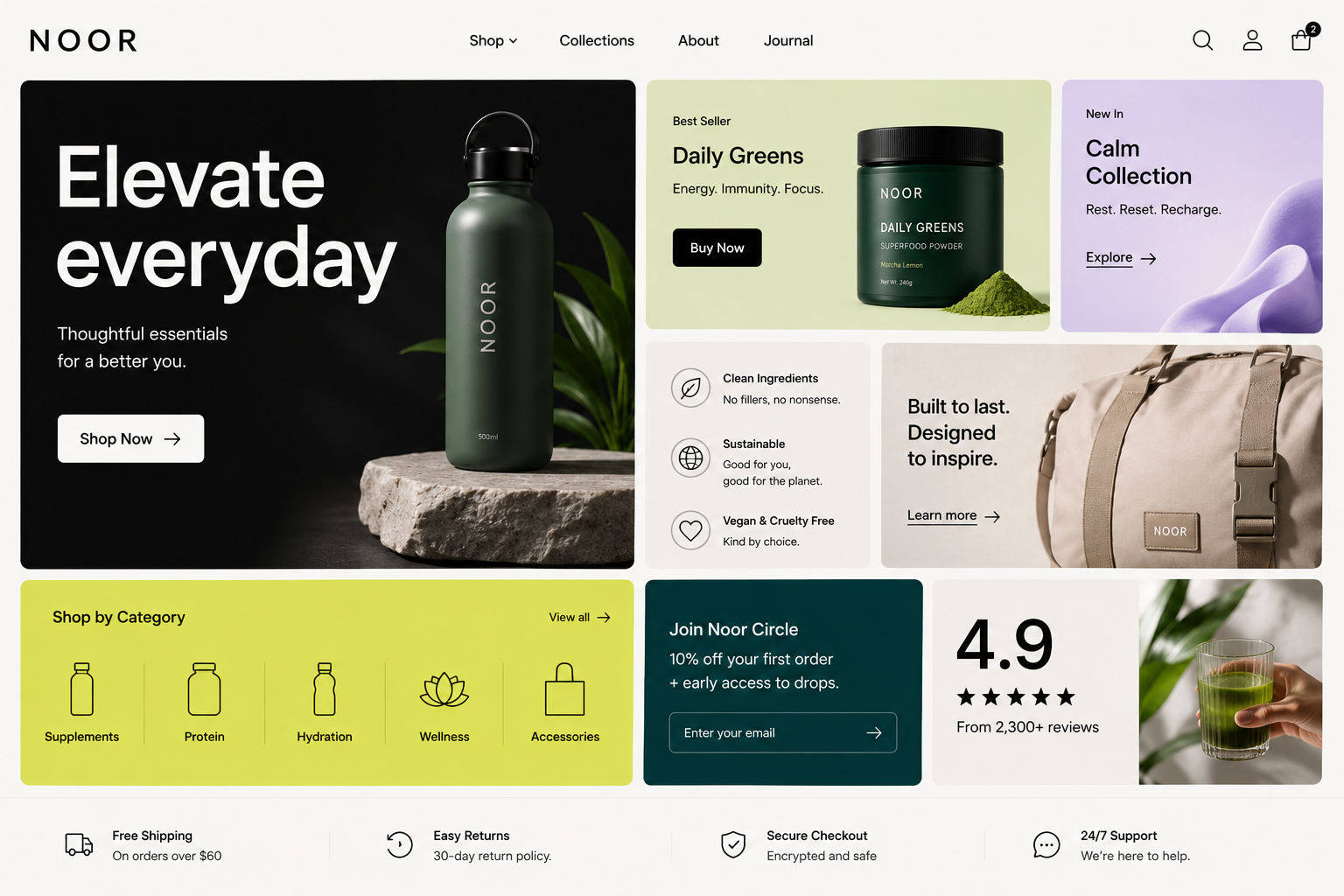
In 2026, bold block layouts and high-contrast colours are dominating web design and Canva’s own website is the perfect example. This approach combines simplicity with impact, using strong colour separation and grid-like structures to guide attention and improve usability.

Each colour block acts as a distinct visual zone, highlighting different content while keeping the overall layout cohesive and easy to follow. The vivid contrasts naturally lead the eye, helping users absorb information quickly while keeping the design energetic and modern.

This trend is particularly effective for creative platforms, SaaS products, or lifestyle brands that want to highlight multiple offerings without clutter. The secret lies in thoughtful colour psychology and spacing, turning each block into part of a cohesive visual rhythm that tells the brand’s story.

Big Blocks with Vivid Contrast

Custom Illustrations: Adding Personality to Your Brand

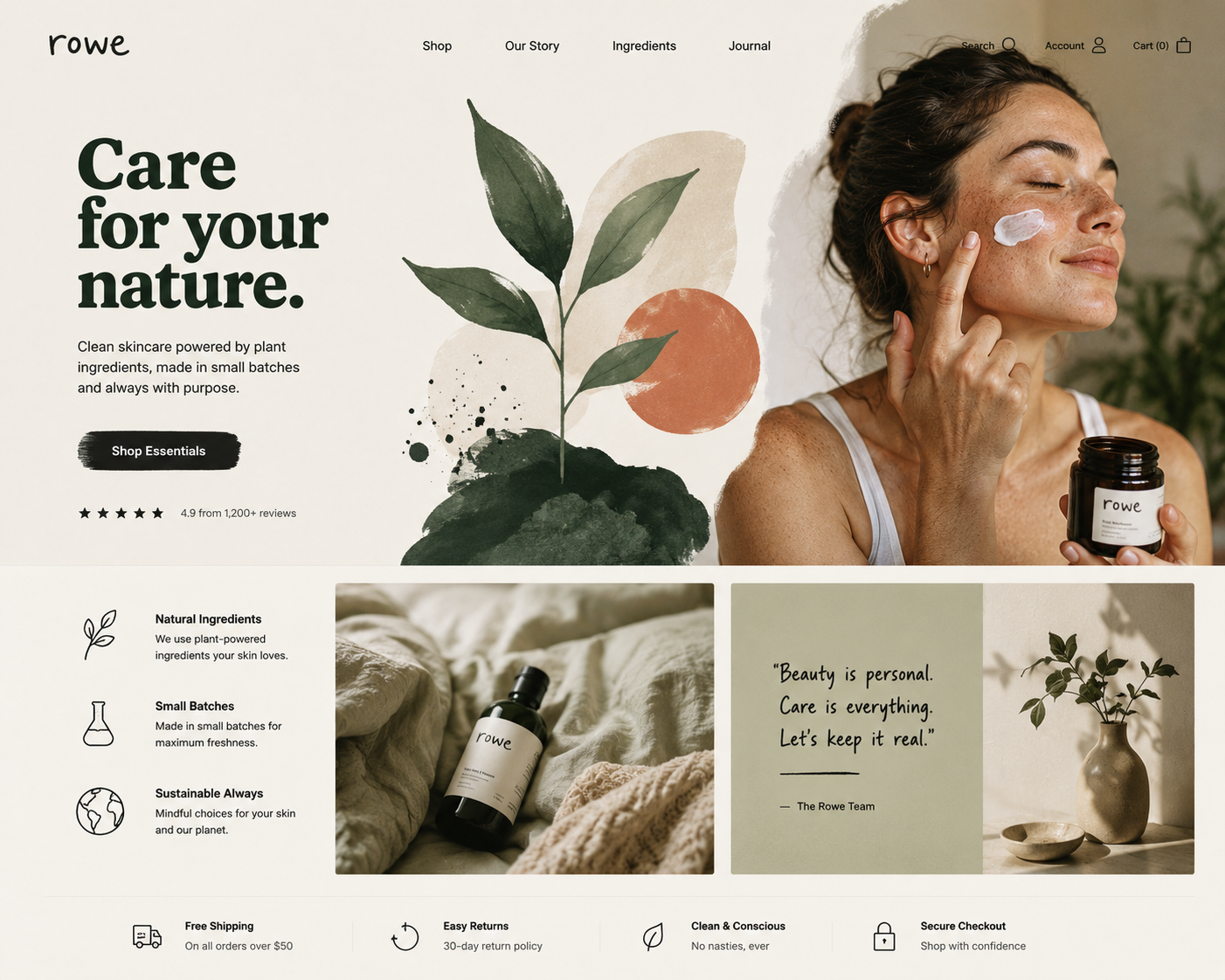
Custom illustrations are a fantastic way to differentiate your brand from competitors. They allow you to showcase your brand’s personality and create a unique visual identity.

  • Advantages: Custom illustrations make your website more engaging and approachable.
  • Best For: Businesses looking to inject creativity into their branding, such as startups or e-commerce stores.

Tip: Invest in high-quality illustrations that reflect your brand’s message. These visuals can build a stronger emotional connection with your audience.

Bold Fonts: Commanding Attention Through Typography

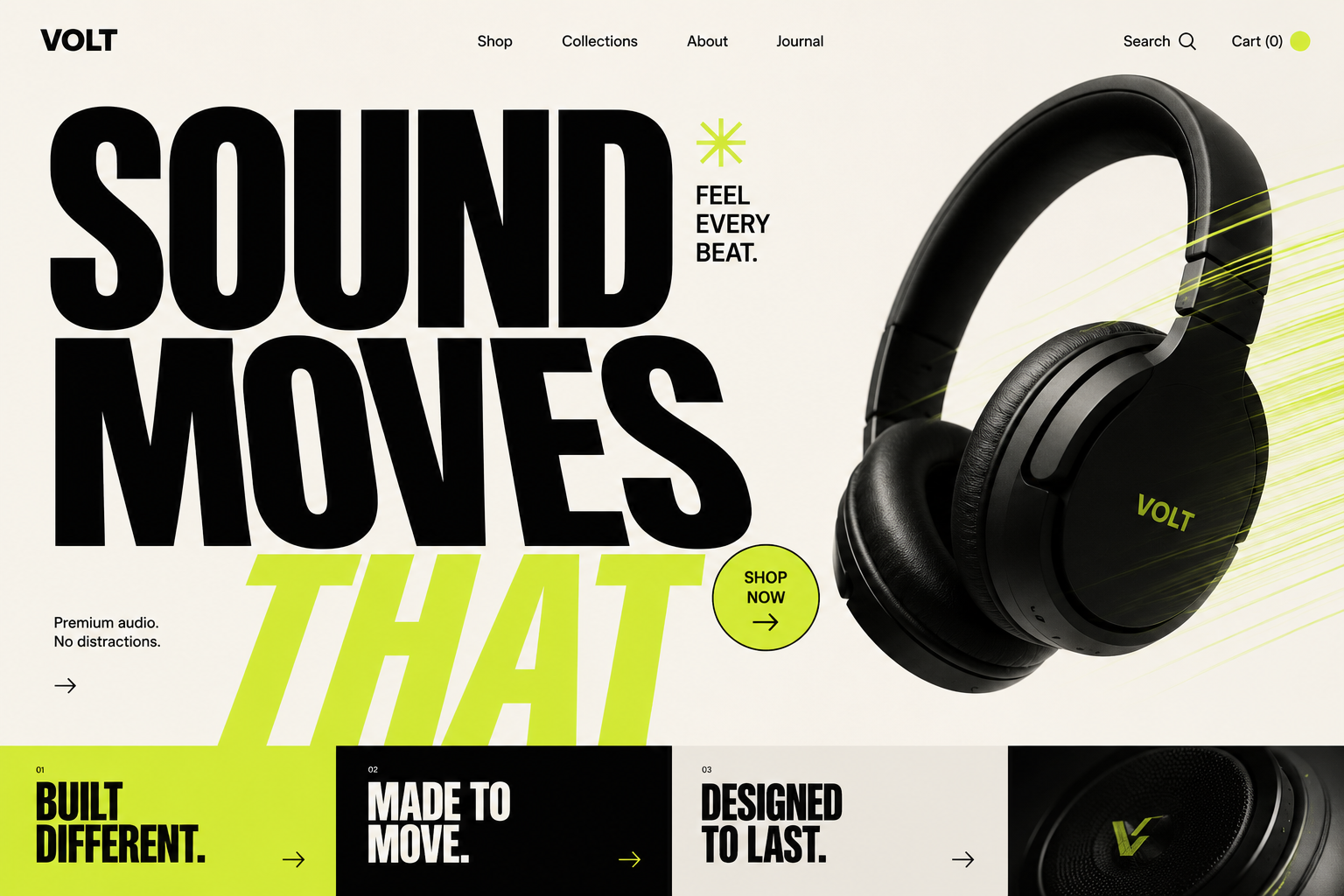
Bold typography is more than just thick text, it’s a design statement. By using strong, confident font weights for headings, titles, and key messages, designers can instantly capture attention and create visual hierarchy.

When used strategically, bold fonts guide users through a page effortlessly, emphasizing the most important content while improving readability. They also give your website a distinctive personality modern, assertive, and memorable.

Paired with minimalist layouts or ample white space, bold typography brings balance and clarity to your design. It’s an effective way to communicate confidence and focus, helping your brand stand out in a crowded digital space.

Broken Grid Layout: Structured Creativity

A broken grid layout challenges traditional symmetry by allowing text, images, and buttons to overlap or break free from strict alignment. This deliberate “disruption” creates dynamic compositions that draw attention and encourage users to explore.

Far from being chaotic, a well-executed broken grid maintains structure while adding movement and visual interest. It’s especially effective for brands that want to appear innovative, artistic, or unconventional.

When combined with responsive design principles, broken grids enhance storytelling without sacrificing usability. The result is a layout that feels fresh, bold, and modern, proof that great design sometimes means breaking the rules thoughtfully.

Broken Grid Layout: Structured Creativity

Full Page Header: Making a Strong First Impression

A full-page header, often called a hero section, occupies the entire screen when visitors land on your site. It’s the digital equivalent of a first handshake clear, confident, and memorable.

This design approach typically combines a striking image or video background with a bold headline and a concise message that communicates your core value instantly. A well-placed call-to-action (CTA), such as “Get Started” or “View Our Work,” helps guide users toward the next step without overwhelming them.

Full-page headers are especially effective for showcasing products, announcing launches, or highlighting your brand’s unique proposition. When designed thoughtfully, they set the tone for the entire user experience clean, modern, and visually impactful.

For businesses, pairing a compelling full-page header with fast-loading, responsive design ensures your site not only looks stunning but also performs flawlessly across all devices.

Motion Design

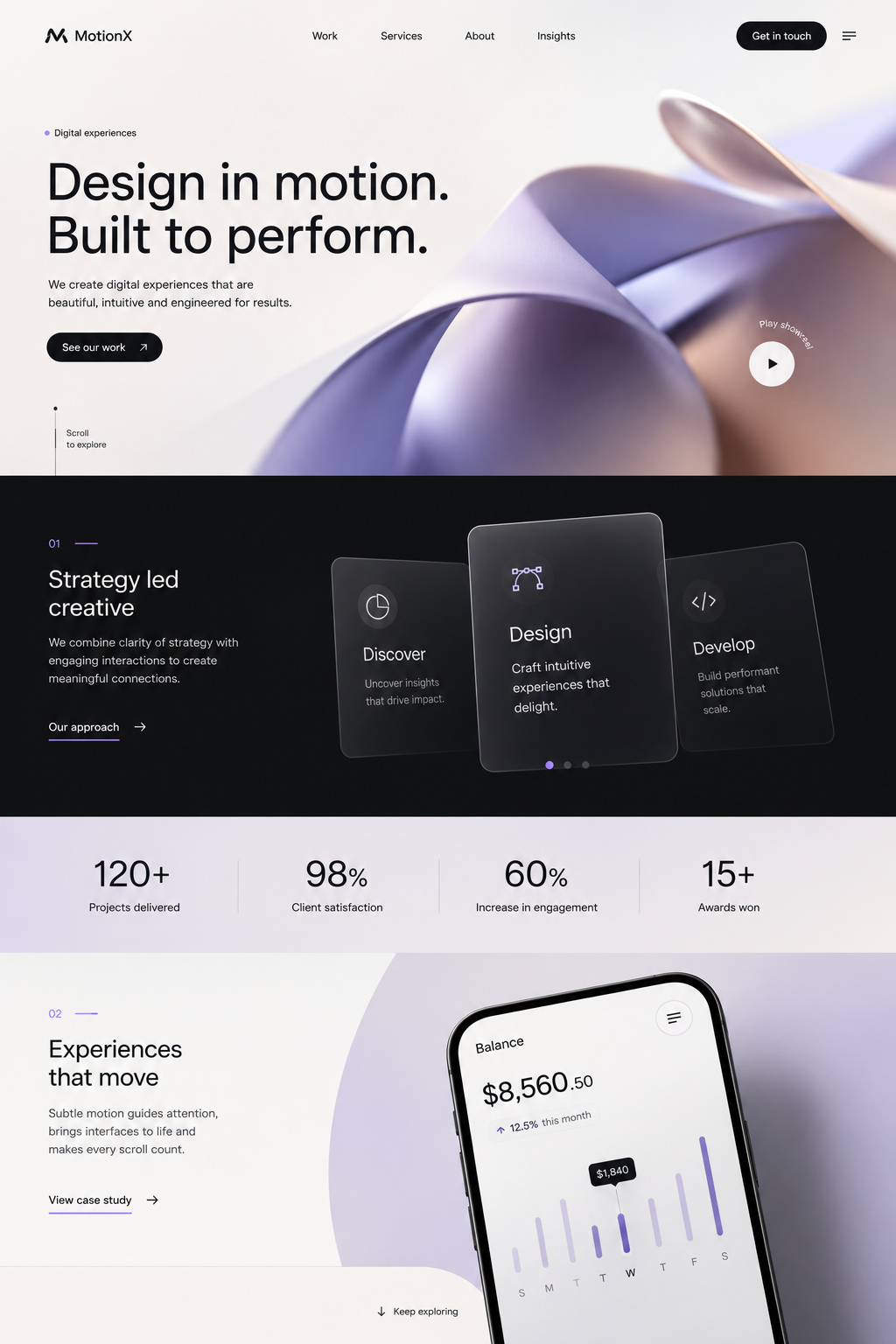
After years of heavy, over-the-top animations and 3D effects dominating web design, 2026 marks a clear shift toward intentional and refined motion design.

Designers are now embracing a “less is more” approach, using animation purposefully to enhance meaning and user experience rather than for decoration. Every transition, hover effect, or scrolling movement serves a functional role, guiding attention and improving usability.

This shift also includes the thoughtful use of micro-interactions subtle animations that respond to user actions, like a button gently expanding when clicked or a color shift on hover. Though small, these gestures bring interfaces to life, making them feel responsive and human.

By keeping motion purposeful, designers can enhance engagement without overwhelming users, improving both performance and accessibility. The result is a more sophisticated, human-centered web experience, where animation adds delight, reinforces feedback, and strengthens brand personality all without compromising clarity or speed.

Motion Design

How Parallax Scrolling Enhances User Experience

Parallax scrolling creates depth by moving background and foreground elements at different speeds. It’s perfect for storytelling, landing pages, and visually rich websites that need a touch of movement without overwhelming users.

Use it strategically to guide attention to key sections or calls to action. You can see this effect commonly applied in immersive corporate website design projects.

Experimental Navigation

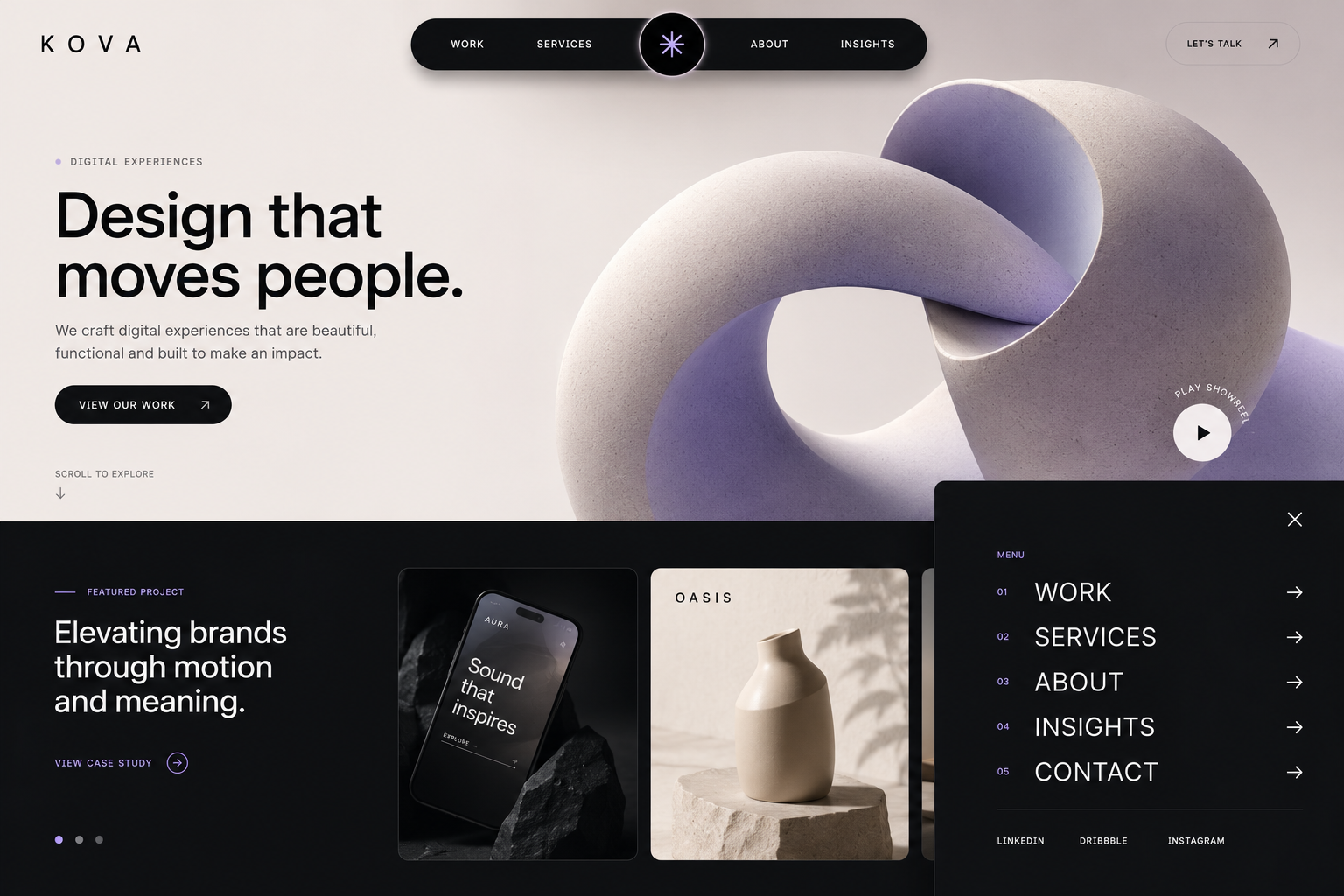
Experimental navigation reimagines how users explore a website replacing static menus and predictable dropdowns with playful, immersive experiences. This trend focuses on engaging users through interaction, surprise, and discovery.

Designers are experimenting with animated transitions, spatial navigation, horizontal or diagonal scrolling, and even interactive storytelling to create dynamic flow. These elements transform browsing into an exploration rather than a linear journey.

This style works especially well for creative portfolios, digital agencies, or brands that want to showcase innovation. However, balance is essential, experimental navigation should enhance the experience, not confuse users. When done right, it turns navigation into a memorable part of the brand story.

3D Graphics: Creating Immersive User Experiences

3D graphics are becoming a popular trend in web design, allowing users to interact with objects in a more immersive way. This trend is especially useful for product-centric websites.

  • Advantages: 3D graphics provide a more engaging and realistic representation of products.
  • Best For: E-commerce websites, especially those selling high-ticket items like electronics or furniture.

Tip: Use 3D graphics to showcase product details, allowing users to explore your offerings in an interactive way.

3D Graphics: Creating Immersive User Experiences

Video Backgrounds: Grabbing User Attention

Video backgrounds have become a mainstay in web design. They are highly effective at capturing user attention and setting the tone for your website.

  • Why They Work: Videos convey your brand’s message quickly and can leave a lasting impression on visitors.
  • Best For: Websites looking to highlight products or services in a visually engaging way.

Tip: Ensure that your video background doesn’t slow down your website’s performance. Compress videos to maintain fast load times.

How Voice User Interface Is Revolutionizing Web Design

Voice User Interface (VUI) allows users to interact with websites through voice commands. With the rise of voice assistants like Alexa, Siri, and Google Assistant, VUI is becoming an essential feature for enhancing accessibility.

  • Advantages: VUI improves accessibility, especially for users who prefer hands-free navigation.
  • Best For: Websites focused on accessibility or targeting tech-savvy audiences.

Tip: Optimize your website for voice search by incorporating conversational keywords and structuring content to answer common questions.

Chatbots: Enhancing User Interaction and Support

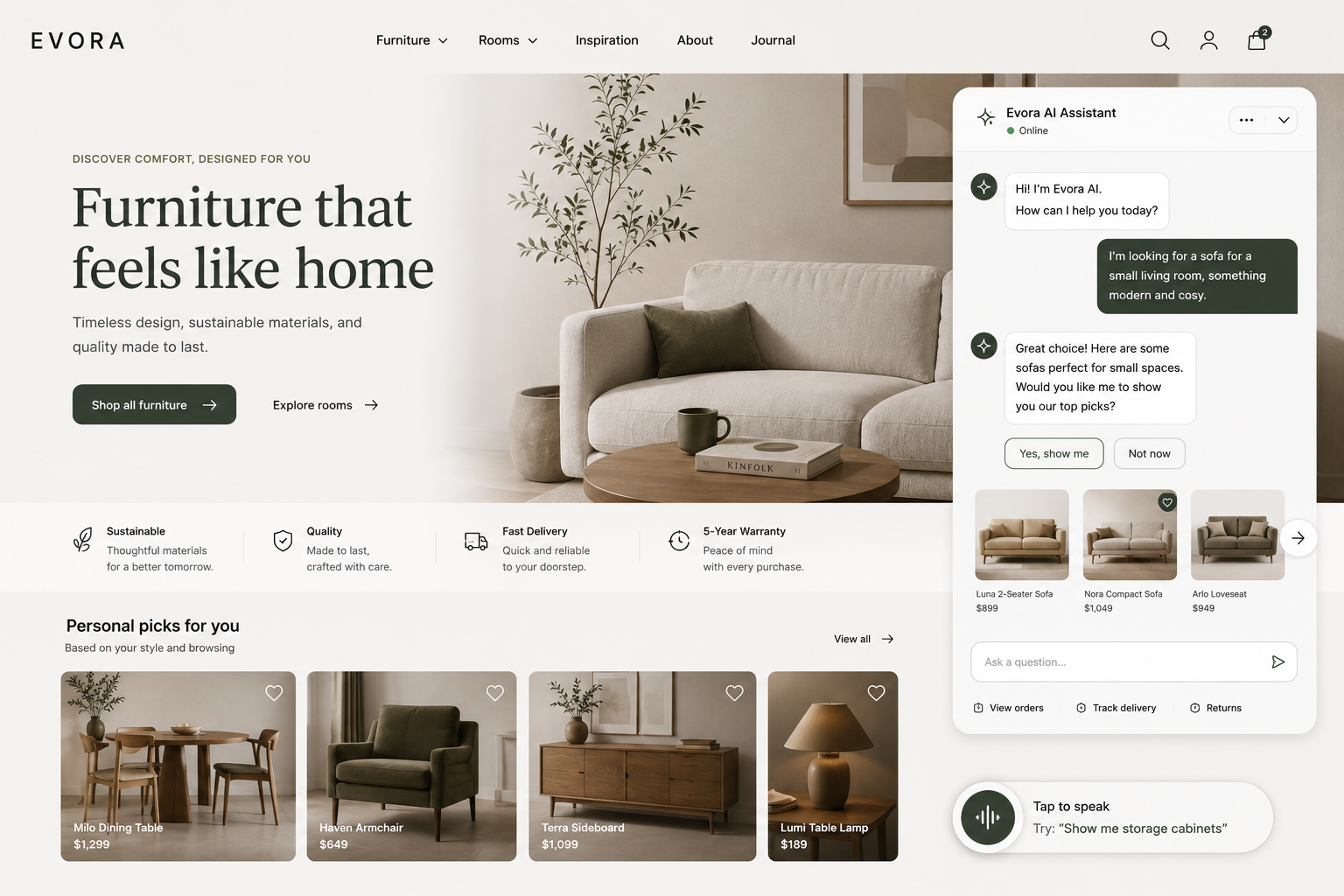
Chatbots are increasingly being used to improve user experience by offering instant support. They act as virtual assistants, guiding users through the website, answering questions, and offering personalized recommendations.

  • Advantages: Chatbots provide 24/7 assistance, improving user satisfaction and engagement.
  • Best For: Websites with high traffic or businesses that require customer support, such as e-commerce or service providers.

Tip: Use AI-powered chatbots to provide personalized responses and improve the overall user experience.

Chatbots: Enhancing User Interaction and SupportAI-Powered Personalization

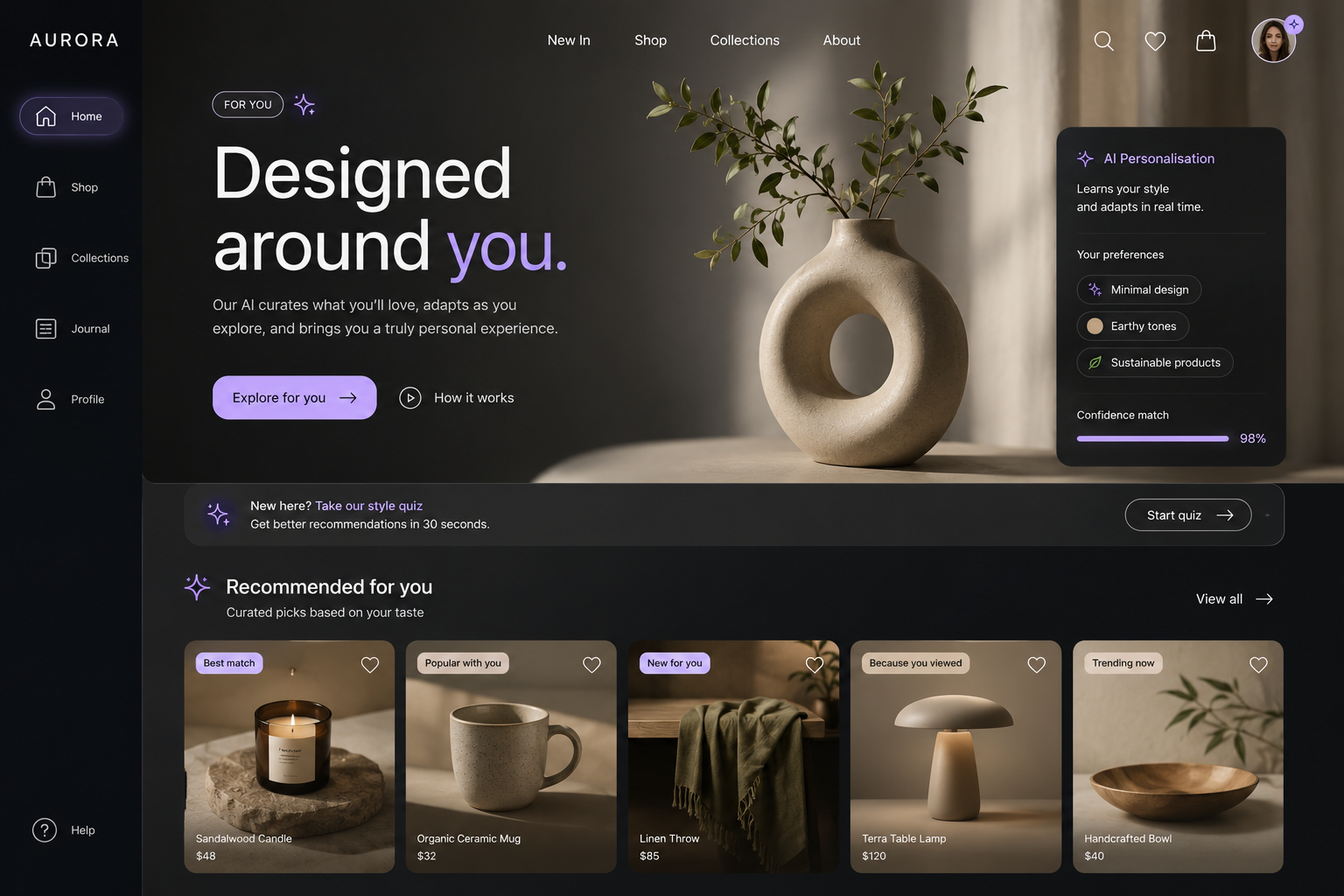
In 2026, AI-powered personalization continues to redefine how users experience websites. Instead of offering the same static content to everyone, AI enables sites to adapt dynamically tailoring layouts, messages, and product recommendations based on each visitor’s preferences and behavior.

Through machine learning, a website can analyze user interactions such as clicks, time spent on a page, or past purchases and deliver contextually relevant experiences in real time. For instance, an eCommerce store might showcase products similar to items a user viewed earlier, while a content platform can rearrange its homepage to highlight topics that match a reader’s interests.

This trend not only enhances engagement and conversion rates but also makes users feel genuinely understood. When done well, AI personalization feels seamless and human, turning browsing into an intuitive, curated journey rather than a generic experience.

As artificial intelligence becomes more advanced, web design is shifting toward emotionally intelligent interfaces websites that learn, anticipate, and adapt to each visitor, making digital interactions more meaningful than ever.

Augmented Reality (AR) Integration

Augmented Reality (AR) is transforming how users interact with websites by bridging the gap between digital and physical experiences. In 2026, AR integration is no longer just a novelty, it’s becoming a strategic design choice that enhances immersion, engagement, and decision-making.

AR allows users to visualize products, spaces, or concepts in their real-world environment directly through their browser no app required. From trying on virtual eyewear and placing 3D furniture in a room to previewing packaging or product designs, AR creates interactive experiences that feel tangible and personal.

For brands, this means higher engagement rates and informed purchasing decisions, as users can explore items in context before buying. For designers, it presents exciting new challenges, creating interfaces that blend 3D realism, intuitive interaction, and aesthetic harmony without sacrificing performance.

As web technologies like WebAR and 3D rendering continue to evolve, AR will become a mainstream feature across industries  from eCommerce and real estate to education and tourism. It represents the next frontier of web design: immersive, experiential, and seamlessly integrated into everyday browsing.

Sustainable Web Design 2.0

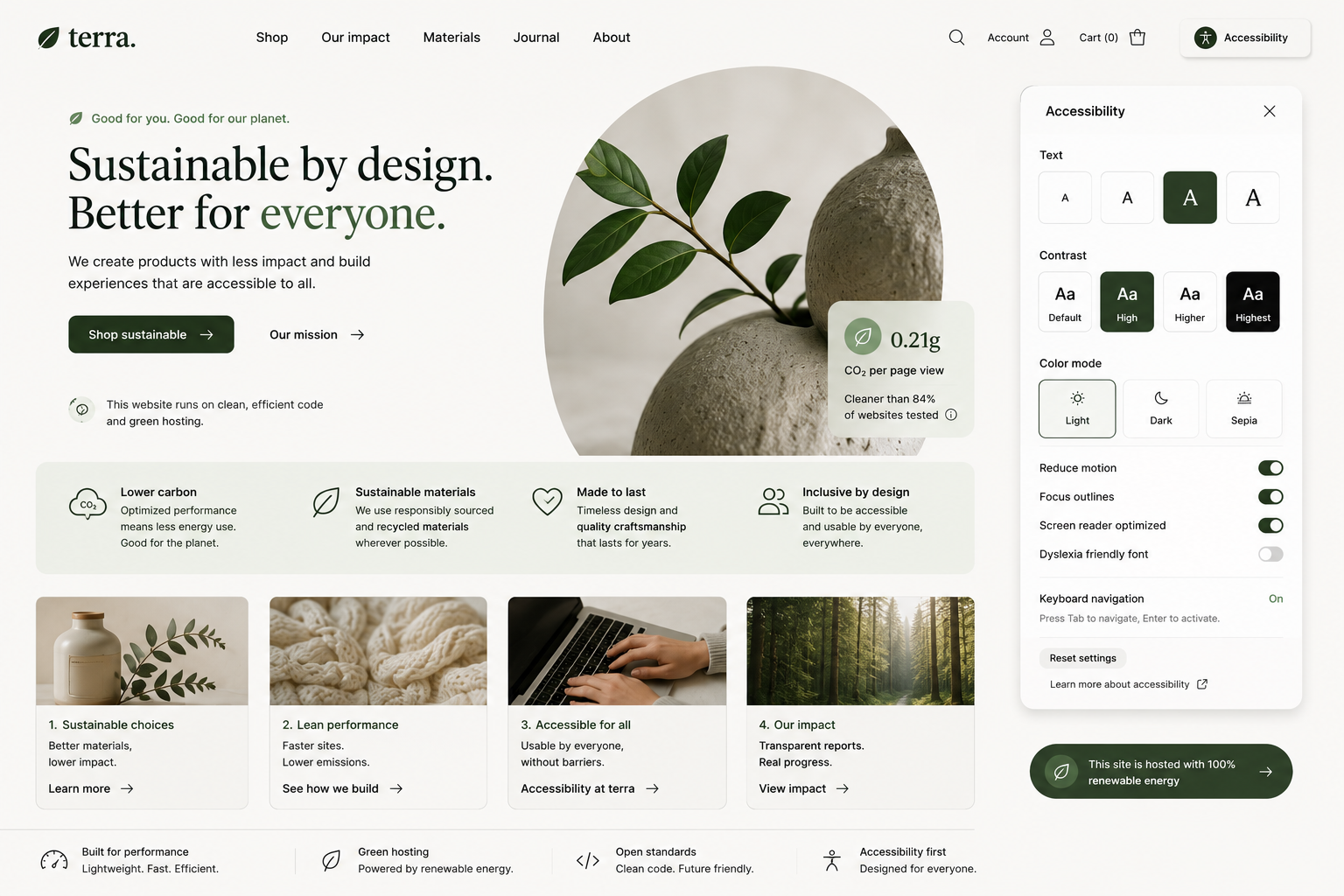
Sustainability in web design is no longer just a buzzword it’s becoming a design standard. In 2026, Sustainable Web Design 2.0 expands beyond reducing file sizes and optimising speed. It’s about building eco-friendly digital experiences from the ground up.

Designers are now considering every element’s environmental footprint from green hosting solutions and streamlined code to energy-efficient visuals and reduced motion effects. Each decision contributes to lowering a website’s carbon emissions while improving accessibility and overall performance.

Sustainable design doesn’t only benefit the planet, it also creates faster, lighter, and more inclusive websites that users love. For businesses, this represents the perfect alignment between ethical responsibility, user experience, and long-term performance.

Sustainable Web Design 2.0

Conclusion

Staying ahead in the rapidly evolving world of web design requires embracing new trends and adapting to changing user expectations. By incorporating the top 10 web design trends of 2026, you can enhance your website’s user experience, increase engagement, and boost conversions. Whether it’s embracing dark mode, integrating AR, or using chatbots, each trend offers a unique way to elevate your online presence.

Why go it alone when you can have the support of experts in website design? MediaPlus Digital is here to help. Let’s revamp your website to stay ahead of the curve and give your brand the digital presence it deserves.

You Might Also Like

50% Digital Marketing Grant
50% Web Development Grant
ENQUIRE NOW