
Programmatic advertising has changed how brands buy media, shifting from manual placements to automated, data driven decision making. Instead of guessing where ads should appear, programmatic platforms use real time bidding, audience data, and machine learning to show the right message to the right person at the right moment.
To understand what makes programmatic advertising effective, it helps to look at real world campaigns that produced measurable outcomes.
Below are proven examples of programmatic advertising campaigns and the strategies behind their success.
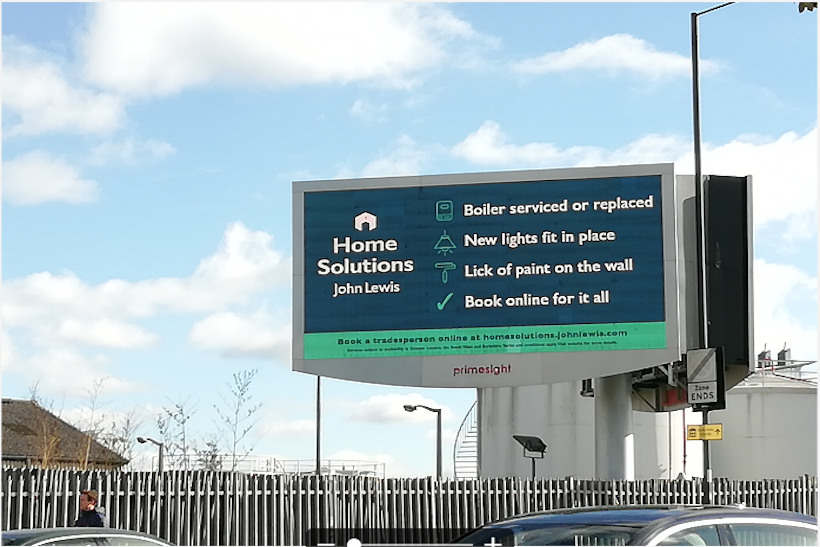
John Lewis: 346% ROI During Black Friday
During the Black Friday period, John Lewis faced a familiar challenge for major retailers: demand was high, competition for premium inventory was intense, and media costs were rising rapidly. The objective was not only to drive revenue, but to do so without losing control over cost per acquisition during one of the most expensive advertising periods of the year.
To achieve this, John Lewis shifted away from relying heavily on open exchange bidding. Instead, the brand used programmatic guaranteed and private marketplace deals through its demand side platform to secure high quality inventory in advance. This approach allowed the team to lock in premium placements at predictable prices, rather than competing aggressively in real time auctions where CPMs often spike. Media spend was also prioritised toward high value customer segments, including returning customers and audiences with strong purchase intent signals.
The outcome was a 346% return on ad spend during the Black Friday campaign window. Compared to previous years, John Lewis achieved higher revenue efficiency while maintaining tighter cost controls, even as overall market CPMs increased across retail categories.
This campaign worked because programmatic buying gave the brand leverage over both pricing and placement. By combining guaranteed inventory with audience level targeting, John Lewis avoided wasted impressions and ensured ads appeared in high impact environments when consumers were most ready to buy.
Lacoste: Driving Sales with Real Time Creative Optimisation
Lacoste’s objective was to increase ecommerce sales across multiple European markets during a seasonal promotion, while maintaining consistent performance across countries with different consumer behaviours. Rather than running static display campaigns, the brand leaned into programmatic advertising as a way to continuously adapt creative and targeting based on performance data.
The campaign was built around real time optimisation. Multiple creative variations were launched simultaneously, testing different product messages, formats, and calls to action. These creatives were paired with audience segmentation and placement level testing, allowing the buying algorithm to quickly identify which combinations were generating the strongest engagement and conversion signals. Performance data was reviewed daily, and budgets were reallocated toward the best performing creatives and audience segments.
Across the campaign period, Lacoste delivered more than 19.7 million impressions and attributed over 2,200 ecommerce sales directly to the programmatic activity. Importantly, conversion efficiency improved over time as lower performing placements and creatives were progressively removed from the mix.
The strength of this campaign came from its flexibility. Instead of committing budget upfront to fixed assumptions, Lacoste allowed real time data to guide decisions, reducing wasted spend and ensuring the majority of budget flowed to combinations proven to drive sales.

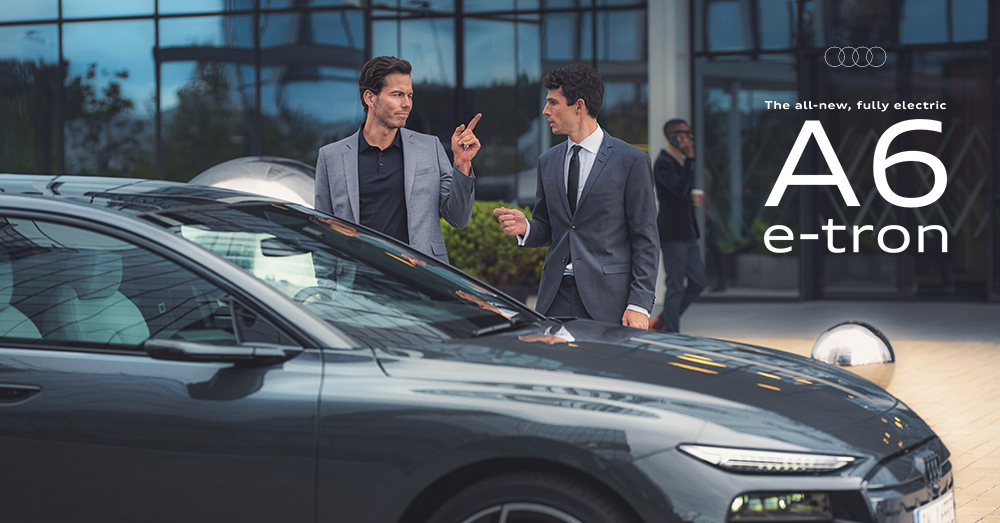
Audi: Personalised Ads with a 400% Conversion Lift
Audi’s challenge was not awareness, but relevance. The brand wanted to promote a new vehicle model to users who were already in market, while avoiding generic messaging that often underperforms in automotive display advertising. The goal was to move beyond impressions and deliver measurable conversion uplift.
Audi integrated first party behavioural data with its programmatic advertising platform to build highly specific audience segments. These segments were based on user interactions such as model pages viewed, feature comparisons, and time spent researching particular vehicle types. Dynamic creative was then used to personalise ad content based on these signals, showing users messaging aligned with the exact models and features they had previously explored.
Compared to traditional display campaigns, the programmatic personalised ads delivered a 400% increase in conversion rates. Engagement rates also increased significantly, as users were served ads that felt relevant rather than repetitive.
This result highlights the real power of programmatic advertising when combined with first party data. Instead of broadcasting a single message, Audi effectively matched creative to intent, shortening the decision journey and increasing the likelihood of action.
Unilever Axe: Personalised Storytelling at Scale
For Axe, Unilever’s youth focused grooming brand, the objective was to engage younger audiences with creative storytelling while maintaining relevance across different markets and audience segments. Traditional video advertising often struggles to balance scale with personalisation, but programmatic video made it possible to do both.
Unilever launched a programmatic video campaign capable of generating tens of thousands of personalised video variations each day. These variations adapted in real time based on audience data such as location, interests, and engagement history. Instead of producing one or two hero videos, the brand allowed the system to assemble creative elements dynamically, tailoring each ad experience to the viewer.
The campaign exceeded internal performance benchmarks by 10 to 20% across key engagement metrics. View rates, completion rates, and brand engagement all outperformed expectations, demonstrating that personalised storytelling could be executed at scale without sacrificing efficiency.
The success of this campaign came from automation paired with creative strategy. Programmatic technology handled scale and delivery, while brand led storytelling ensured the content remained consistent and engaging.

Google: Lower CPM and Higher Brand Lift
Google’s campaign focused on improving media efficiency while strengthening brand recognition across digital channels. Rather than increasing budget, the goal was to reduce waste and improve the quality of exposure.
By combining first party data with third party audience signals, Google refined targeting and allowed bidding strategies to adjust dynamically based on live performance metrics. Campaigns were continuously optimised, shifting spend away from low performing placements and toward environments that delivered stronger engagement and recall.
As a result, cost per thousand impressions decreased by 30%, while brand recognition increased by 50% compared to previous benchmarks. This demonstrated that better targeting and smarter bidding could deliver stronger branding outcomes at a lower cost.
The campaign worked because data was treated as a living input, not a static setup. Continuous optimisation ensured efficiency improved over time, rather than degrading as budgets scaled.
What These Programmatic Advertising Examples Have in Common
Across industries and objectives, successful programmatic campaigns share several traits:
- Clear audience segmentation based on real data
- Dynamic creatives that adapt to user behaviour
- Continuous optimisation instead of fixed setups
- Strong alignment between media buying and business goals
Programmatic advertising works best when strategy, data, and execution move together rather than operating in silos.
Applying Programmatic Advertising to Your Business
Running programmatic campaigns is not just about accessing a platform. Success depends on how data is structured, how audiences are defined, and how performance is measured against real outcomes such as leads, sales, or lifetime value.
This is where working with an experienced programmatic marketing agency becomes important.
At MediaPlus Digital, programmatic advertising is approached as part of a broader performance ecosystem. Campaigns are built to connect audience targeting, creative testing, landing page experience, and analytics into one measurable system. The goal is not impressions alone, but scalable growth driven by efficient media spend.
Whether you are running ecommerce campaigns, lead generation, or brand awareness at scale, a structured programmatic strategy helps ensure your budget works harder and smarter.
Final Thoughts
These programmatic advertising campaign examples show that automation alone does not guarantee success. The real advantage comes from combining technology with strategy, data, and continuous optimisation.
When executed properly, programmatic advertising delivers more control, better efficiency, and stronger performance across the funnel.