
Search in 2025 moves fast. New tools appear every few months, search behaviour keeps shifting, and AI systems are changing how people discover information. With so much going on, businesses in Singapore need a clear understanding of which SEO tools actually matter and how to use them in a simple, practical way.
Good SEO tools do more than show keyword numbers. They help you understand your customers, find realistic opportunities, improve your content, track competitors, and fix technical issues before they hurt your rankings. When used well, these tools give you an edge whether you run a startup, a growing SME, or manage a large enterprise website.
This guide breaks down the most useful SEO tools available today. Instead of giving you a long list without context, we will look at what each tool does, when to use it, and how it fits into a real SEO workflow. The goal is simple: help you understand which tools are worth your time and how they can support predictable, long-term organic growth.
Later in the article, MediaPlus Digital will also link to deeper resources, including a full list of AI SEO tools that you can explore once you have the basics covered.
Before choosing any platform, it helps to understand the role of SEO tools in the first place. Many businesses rush into subscriptions without knowing what those tools are supposed to solve. In reality, SEO tools fall into a few practical categories, and each one helps with a different part of growing search traffic.
What SEO Tools Actually Do?
1. Discover what people are searching for
Keyword research tools help you understand real questions, problems, and topics your audience cares about. This includes search volume, difficulty scores, long tail phrases, and new trends. When used properly, these insights guide your content strategy and help you avoid guessing.
2. Understand your competitors
Competitor analysis tools show you which pages are driving traffic for other brands, what keywords they rank for, and how strong their backlink profiles are. This helps you judge what is realistic, what gaps exist in the market, and where you can outrank them with better content or stronger optimisation.
3. Improve on-page content
Content optimisation tools compare your pages against top-ranking results and highlight missing topics, structural gaps, and readability issues. They help you build content that actually answers search intent while staying aligned with your brand voice.
4. Fix technical problems
Technical audit tools crawl your website to catch issues that may hurt rankings. This includes slow loading pages, redirect loops, broken links, duplicate content, and incorrect tags. Even small errors can cost ranking positions, so catching them early gives you a big advantage.
5. Track rankings and performance
Monitoring tools track keyword movements, traffic trends, and page visibility over time. These insights tell you whether your strategy is working and whether your competitors are gaining ground. Consistent tracking is one of the easiest ways to stay ahead of market changes.
6. Automate repetitive work
Modern tools use AI to automate tasks that once took hours. This includes creating briefs, scanning SERPs, generating topic clusters, and sending reports. Automation saves teams a significant amount of time, especially in fast-moving markets like Singapore.
Now that we have a clear foundation, the next section dives into individual tools across each category so you know exactly when to use each one and how they fit into your overall SEO workflow.

The Best SEO Tools in 2026
The SEO landscape moves fast with AI search, changing SERP layouts, and new ranking signals. Grouping tools by purpose helps you build a complete workflow without wasting money. Below are the tools I recommend for real results, together with when and how to use them for businesses in Singapore.
For a deeper list of AI-focused tools, see our guide on the best AI SEO tools.
A. Keyword and Topic Research Tools
Keyword research is the foundation of every SEO plan. These tools give you reliable data and help uncover opportunities your competitors miss.
Google Keyword Planner
One of the most reliable sources of search volume. It is built for search ads but works well for SEO volume estimates and for understanding keyword value, which matters in high-competition categories in Singapore such as finance and education.
Best for: validating search volume and estimating keyword value.

Google Autocomplete
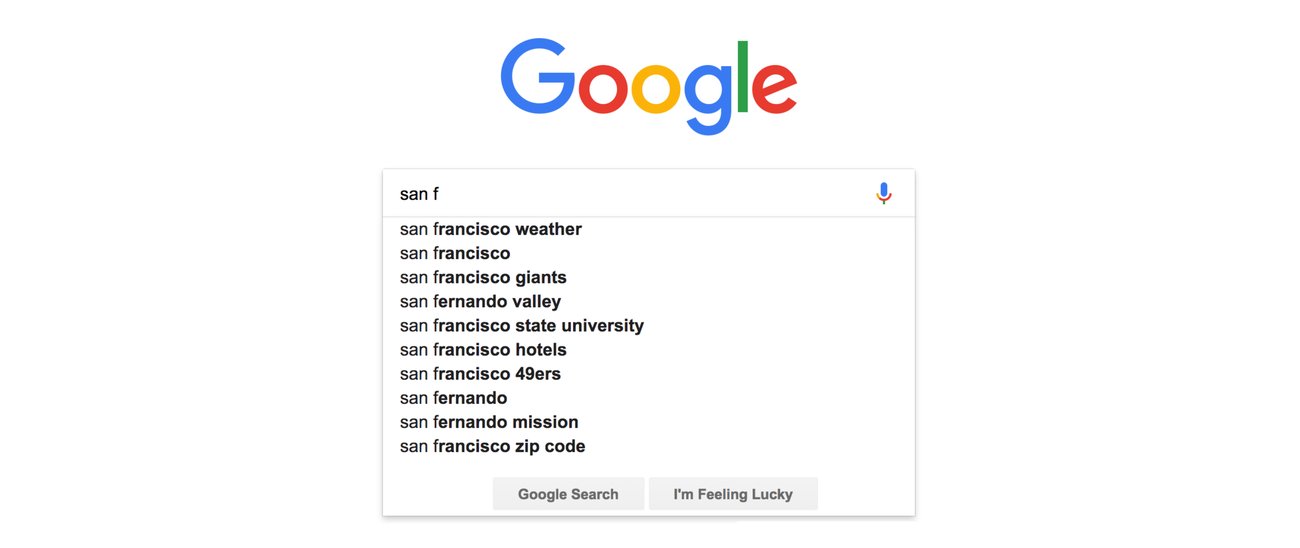
A simple, underrated method to discover long-tail queries and real-time intent. Type a seed phrase and see what Google suggests. It is great for finding low-competition, high-intent phrases.
Best for: uncovering long-tail keywords and search intent.
AlsoAsked
This tool expands the People Also Ask box into a question map. It is handy for planning article structure, FAQs, and supporting pages, especially for service businesses that rely on clear explanations.
Best for: generating H2s, FAQ sections, and subtopic clusters.

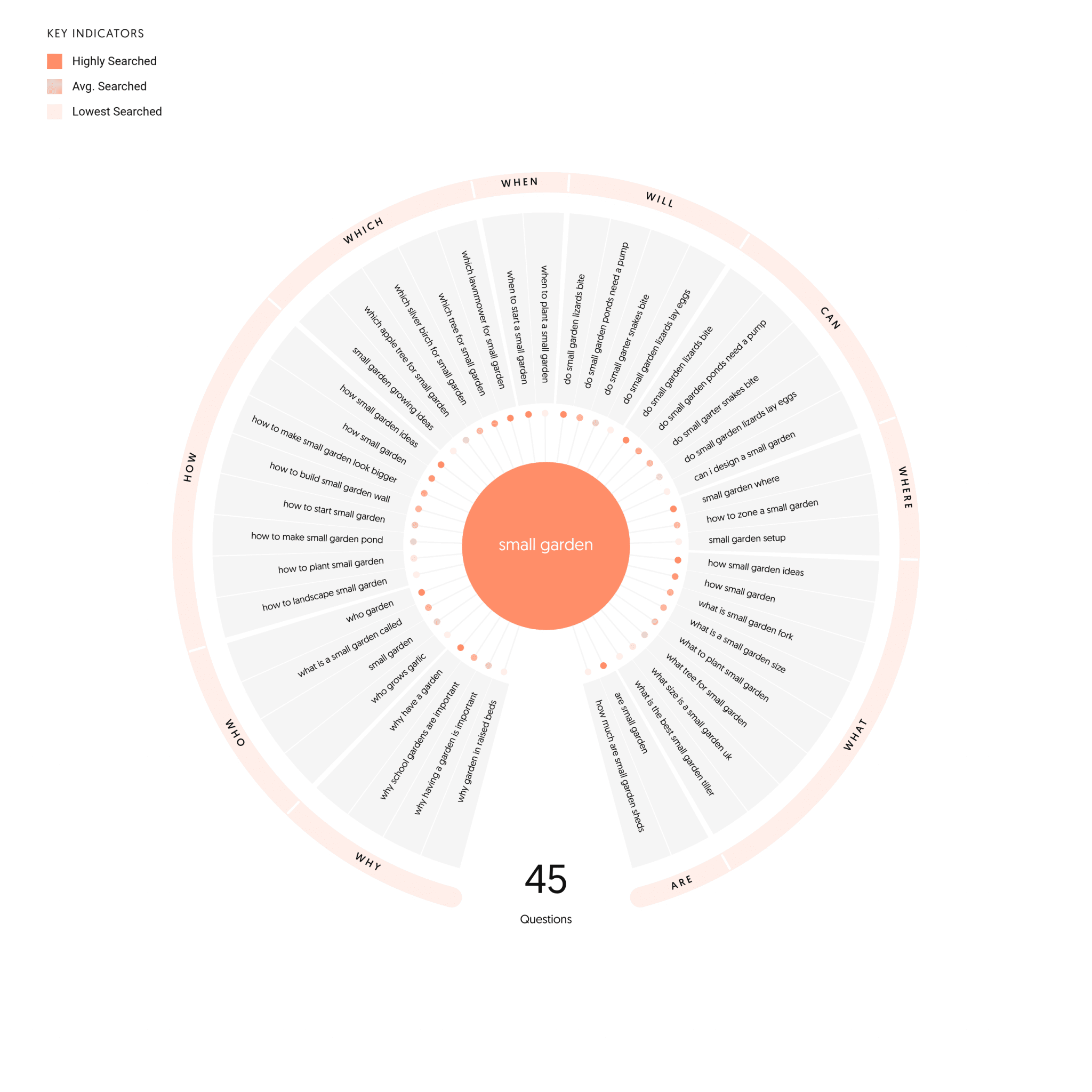
AnswerThePublic
AnswerThePublic gathers questions people actually search for across multiple channels. Use it to build content that answers real customer questions and reduces friction in the buying process.
Best for: mapping audience questions across platforms.
Google Trends
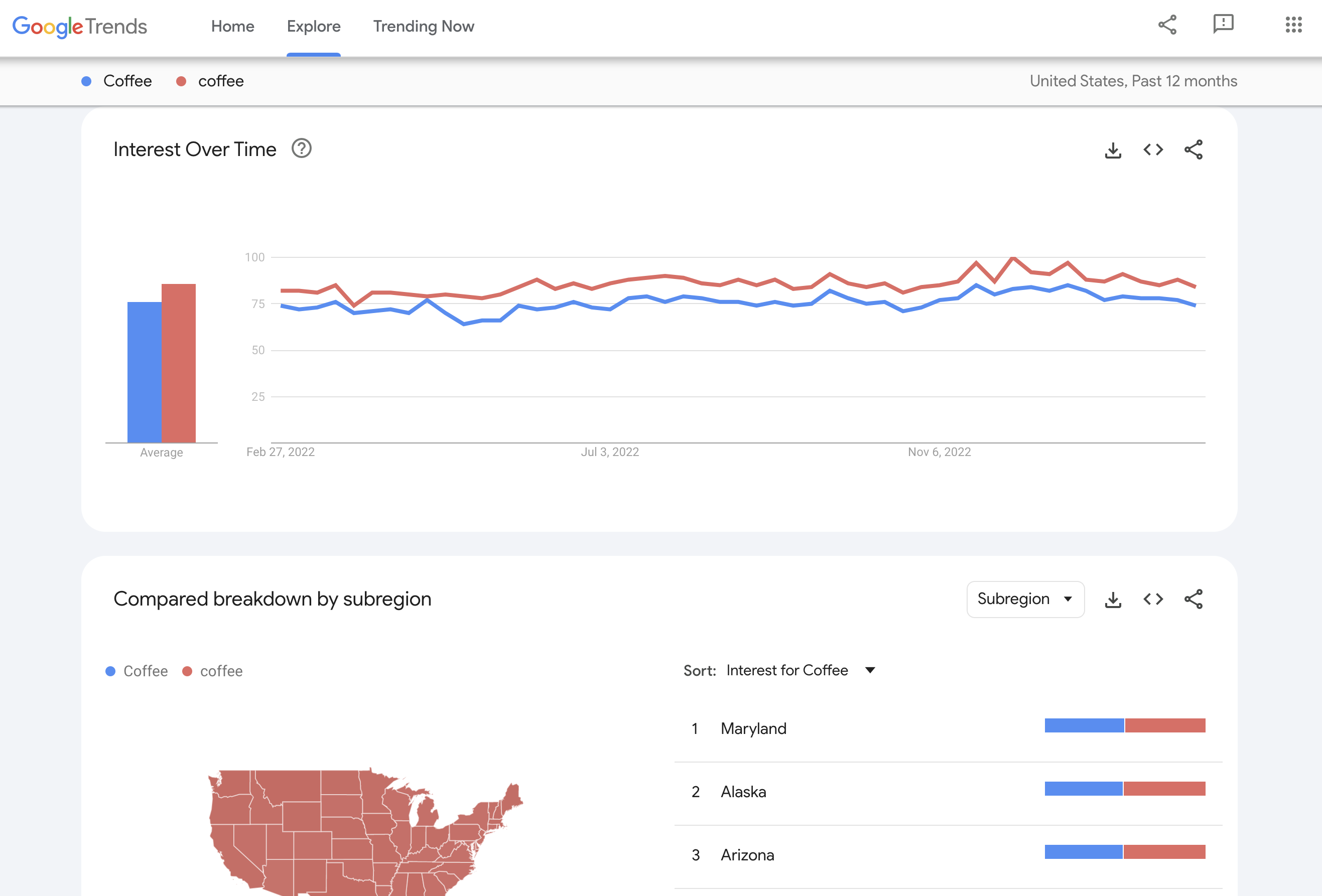
Use Google Trends to compare search interest over time and to prioritise topics. It helps with seasonal planning and spotting emerging queries in Singapore, such as travel or seasonal retail spikes.
Best for: trend spotting and prioritising keyword clusters.
B. Competitor and Backlink Research Tools
These tools show how competitors win traffic and where your site can compete or improve.
Ahrefs
Ahrefs is strong for backlink analysis, competitor site research, and keyword discovery. Agencies and in-house teams often use it to understand link profiles and replicate valuable referral sources.
Best for: backlink research and competitor gap analysis.

Semrush
Semrush is an all-in-one suite that covers keyword research, site audits, rank tracking, and paid search data. It suits teams that want a single place to monitor both organic and paid channels.
Best for: unified SEO and PPC insights for marketing teams.
SimilarWeb
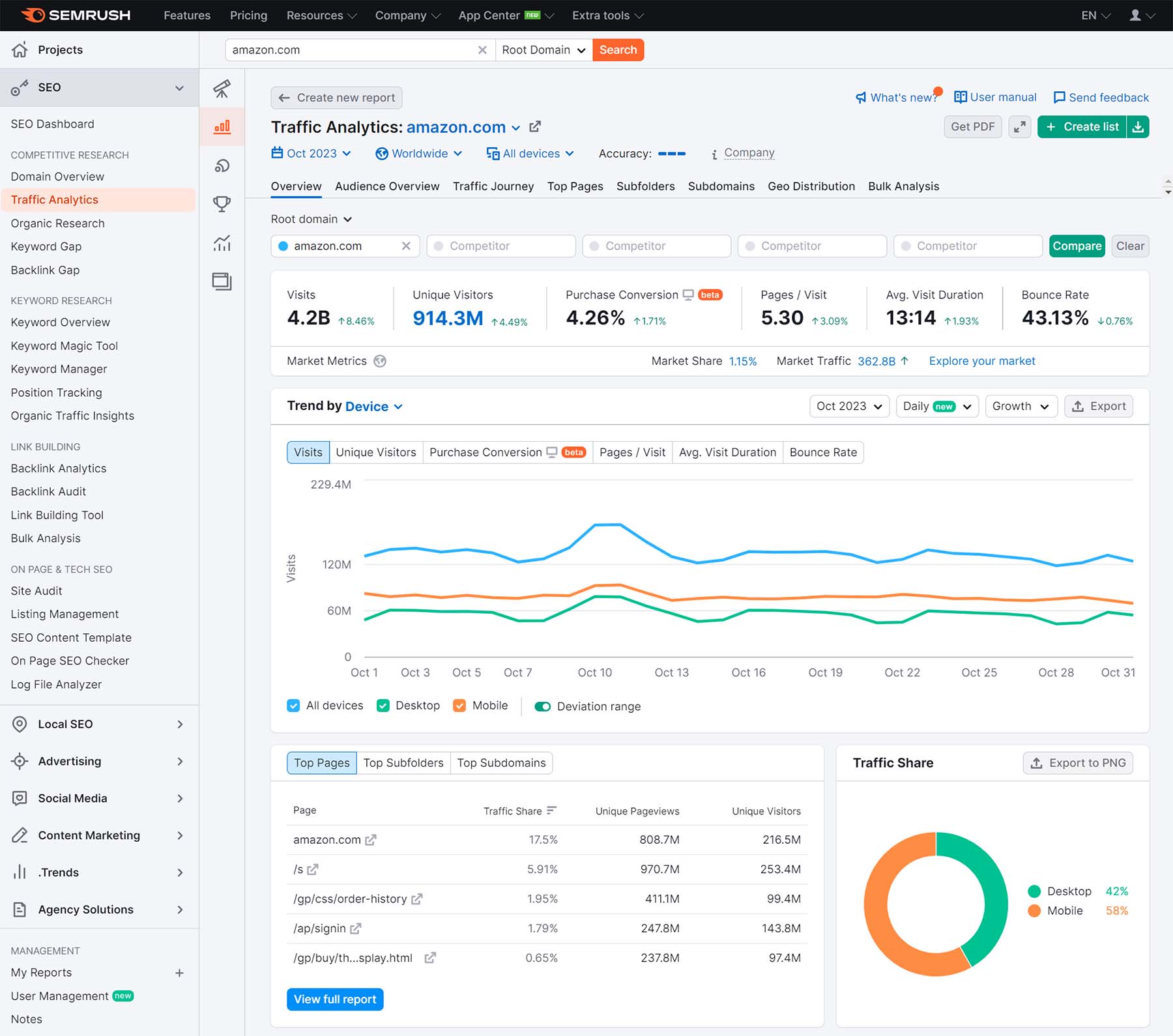
SimilarWeb estimates overall traffic and channel splits for any site. It is useful when you want to check whether a competitor relies on search, paid ads, referrals or social to drive visitors.
Best for: benchmarking traffic channels and share of voice.

ProductRank.ai
ProductRank.ai tracks visibility in AI-driven search results and LLMs. As AI assistants become part of user behaviour, this type of tracking will be increasingly relevant for brands that want to show up in conversational search answers.
Best for: monitoring brand visibility inside AI search engines.

C. Content Optimisation Tools
Content remains a core ranking signal. These tools help you create pages that match intent and cover topics fully.
Surfer
Surfer analyses top-ranking pages and gives concrete recommendations for headings, word count, and related terms. It speeds up on-page optimisation and helps writers stay focused on what matters to search engines.
Best for: on-page structure and content briefs.
Clearscope
Clearscope is a premium content tool known for clean content scoring and precise keyword suggestions. Editorial teams use it to reach consistent content quality at scale.
Best for: content teams that need repeatable quality and coverage checks.

Claude (Anthropic)
Claude is useful for proofreading and polishing drafts. Use it to improve clarity, fix grammar, and preserve your voice. It is not a substitute for human editing, but it saves time on routine clean-up work.
Best for: content proofreading and draft refinement.

D. Automation and Workflow Tools
Automation stops repetitive tasks from draining your team. These tools plug data into workflows and free up time for strategy.
Gumloop
Gumloop helps you create AI workflows that combine SEO data sources, LLMs, and collaboration apps. It can automate steps like competitor scraping, outline generation, and report delivery.
Best for: automating routine research and reporting tasks.

AirOps
AirOps connects AI workflows directly to CMS platforms. It is built for scale and for teams that need to produce or update many pages while keeping SEO signals in focus.
Best for: enterprise content automation and CMS integrations.

E. Technical SEO Tools
Technical health affects every SEO campaign. These tools keep your site crawlable, fast, and error free.
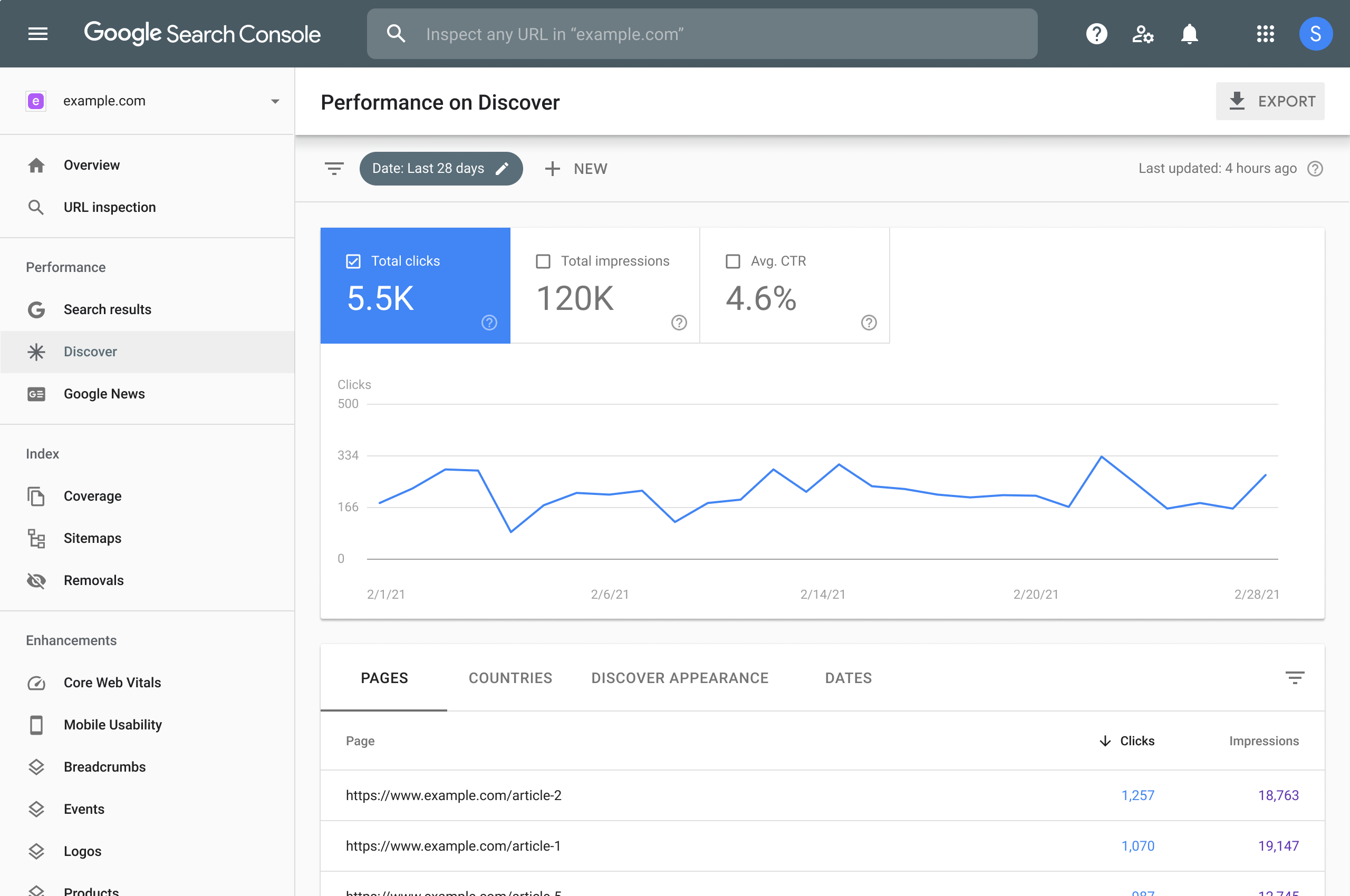
Google Search Console
GSC is the primary source of first-party search data. It shows indexing status, impressions, clicks and technical issues directly from Google. Every site should be connected from launch.
Best for: index coverage, performance monitoring and troubleshooting.
Bing Webmaster Tools
Bing Webmaster Tools offers additional diagnostics and indexing controls. It is especially useful for brands interested in AI search results that rely on Bing data.
Best for: supplementary technical diagnostics and AI search visibility checks.
Screaming Frog
Screaming Frog is a powerful crawler for deep technical audits. Use it to find broken links, duplicate meta tags, redirect chains, and blocked resources that could affect indexing.
Best for: full technical audits and site crawls.
F. Tracking, Analytics, and Reporting Tools
Clear measurement keeps your SEO work accountable and repeatable. These tools help you track progress and show results to stakeholders.
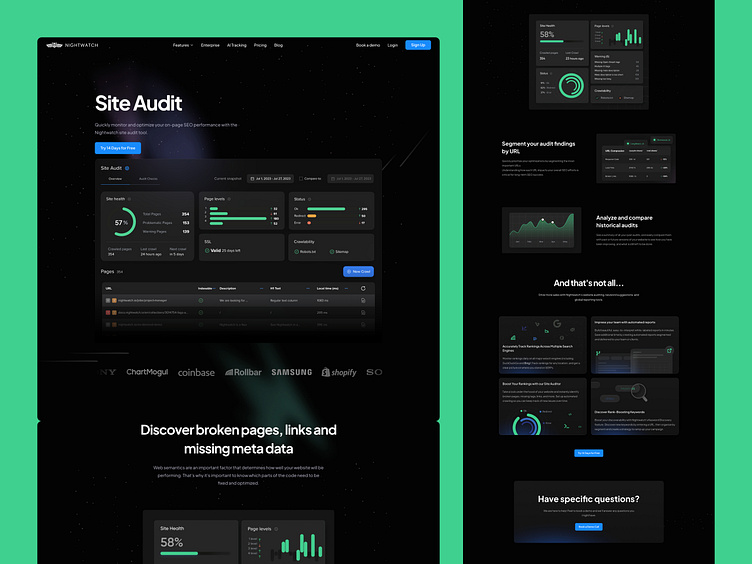
Nightwatch
Nightwatch is a precise rank tracker with local and global options. Many Singapore businesses use it to monitor visibility across specific cities and regions.
Best for: accurate rank tracking and localised monitoring.
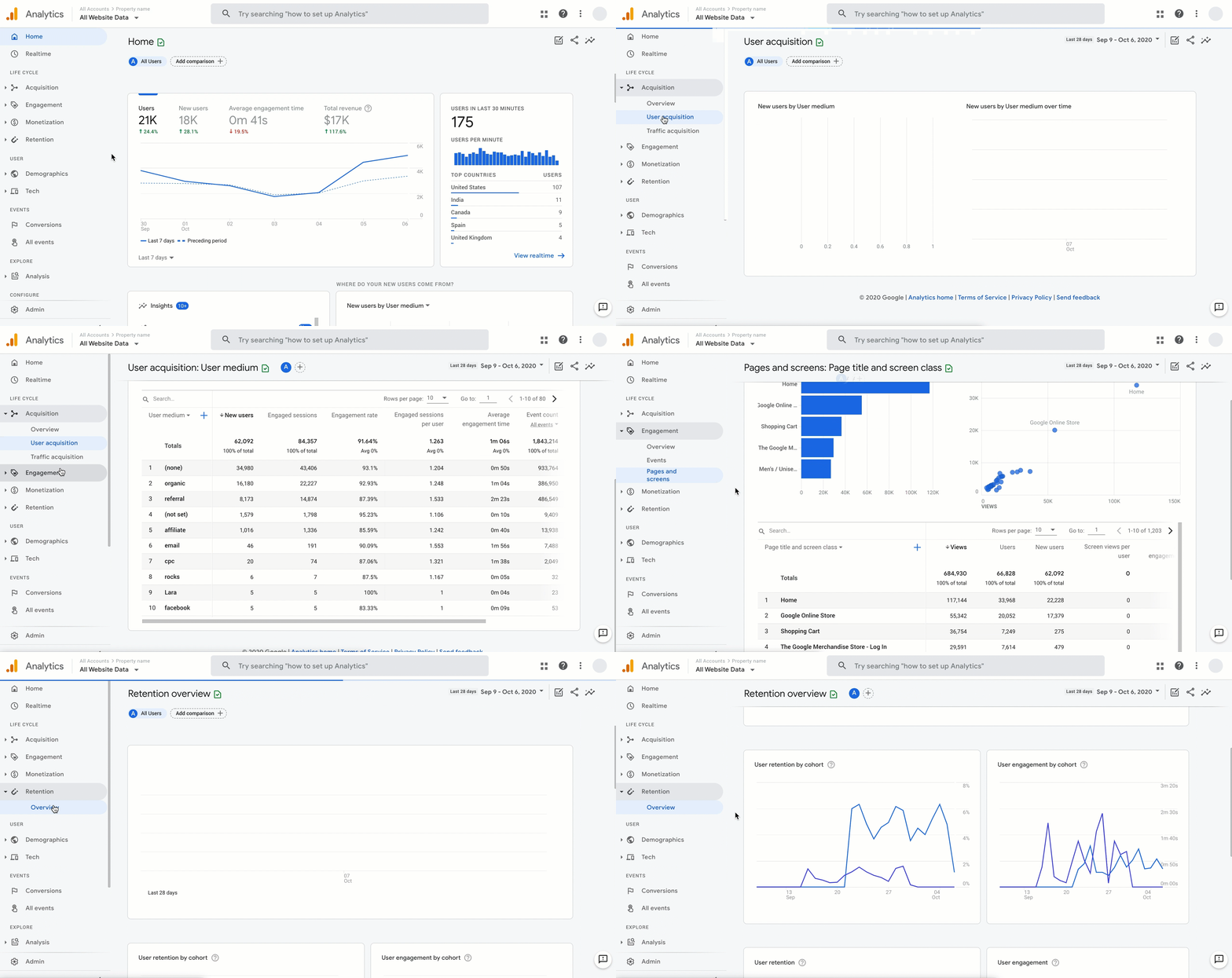
Google Analytics 4
GA4 provides first-party data on user behaviour, conversions, and traffic sources. It helps you connect SEO activity to real business outcomes.
Best for: conversion tracking and user behaviour analysis.
Looker Studio
Looker Studio lets you build custom dashboards that pull data from Search Console, GA4, and other sources. It is a practical way to automate client reports and consolidate insights.
Best for: custom reporting and performance dashboards.

Conclusion
SEO tools make it easier to understand what your audience is searching for, how your competitors are performing, and where your own website needs improvement. The right stack helps you work smarter, fix issues faster, and build content that actually ranks. But tools alone are never the full answer. What matters most is how you use the insights they provide and how consistently you apply them to your strategy.
For businesses in Singapore, SEO has become one of the clearest ways to grow long term. Whether you are trying to improve rankings, drive more qualified leads, or build a stronger online presence in your niche, choosing the right mix of tools is a good first step. If you want deeper guidance or hands-on support, our team at MediaPlus Digital can help you plan and execute a complete strategy that fits your goals.
You can learn more about our services here:
If you decide to explore SEO tools on your own or work with a partner, the key is the same. Focus on useful content, a healthy website, and consistent improvement. Do that well and SEO will continue to be one of the most reliable growth channels for your business.