
What is a Call to Action (CTA) and How to Create One That Drives Results

what is call to action

Getting traffic is only half the job. What matters is what people do next. That next step is guided by your call to action.

A call to action, also known as a CTA, is a short and direct message that tells users what to do. It can appear as a button, a link, or a short line within your content. When done well, it helps turn visitors into leads or customers.

Many websites in Singapore struggle with conversion not because of bad traffic, but because visitors are unsure of the next step. A clear CTA solves that problem.

What is a CTA?

A CTA, short for call to action, is a line of text that tells the reader exactly what to do next. Common examples include “Buy now”, “Sign up today”, or “Learn more”.

In marketing and advertising, a CTA exists for one reason: to move someone from reading or watching into taking a specific action. That action could be clicking a link, filling out a form, making a purchase, or simply continuing to another piece of content.

CTAs can show up in different forms. Sometimes they are plain text, sometimes hyperlinked text, and often they appear as buttons. Not every CTA is about selling or collecting data. Many are there to guide readers to related pages, deeper resources, or the next logical step in their journey.

You will usually see CTAs at the end of a piece of content, where the reader naturally asks “what now?”. In longer content, it is common to place CTAs at key points throughout, especially after explaining a benefit or solving a specific problem.

Why are CTAs used?

CTAs help turn attention into action. Marketers use them to convert traffic into leads, promote content, and sell products or services.

A good CTA is short, clear, and intentional. It removes guesswork for the reader and makes the next step obvious. CTAs can be used across channels and formats, from websites and emails to ads and social posts, adapting to whatever best supports the business goal.

what is call to action

Where CTAs Should Appear

A good CTA shows up exactly when someone is ready to take the next step. This includes:

  • Homepages and service pages
  • Landing pages and product pages
  • Email campaigns
  • Social media posts and ads
  • Blog articles
  • Checkout pages

Every channel that drives digital traffic should include a relevant CTA.

Popular Types of CTAs and When to Use Them

Not every audience is ready for the same action. Visitors who are discovering you for the first time need a gentler step forward, while returning shoppers may be ready to buy immediately. Using the right CTA at the right moment can lift conversions across your entire marketing funnel.

Below are the most effective CTA types and how they contribute to stronger user journeys.

Check more: Digital Marketing Funnel Explained: TOF, MOF, BOF
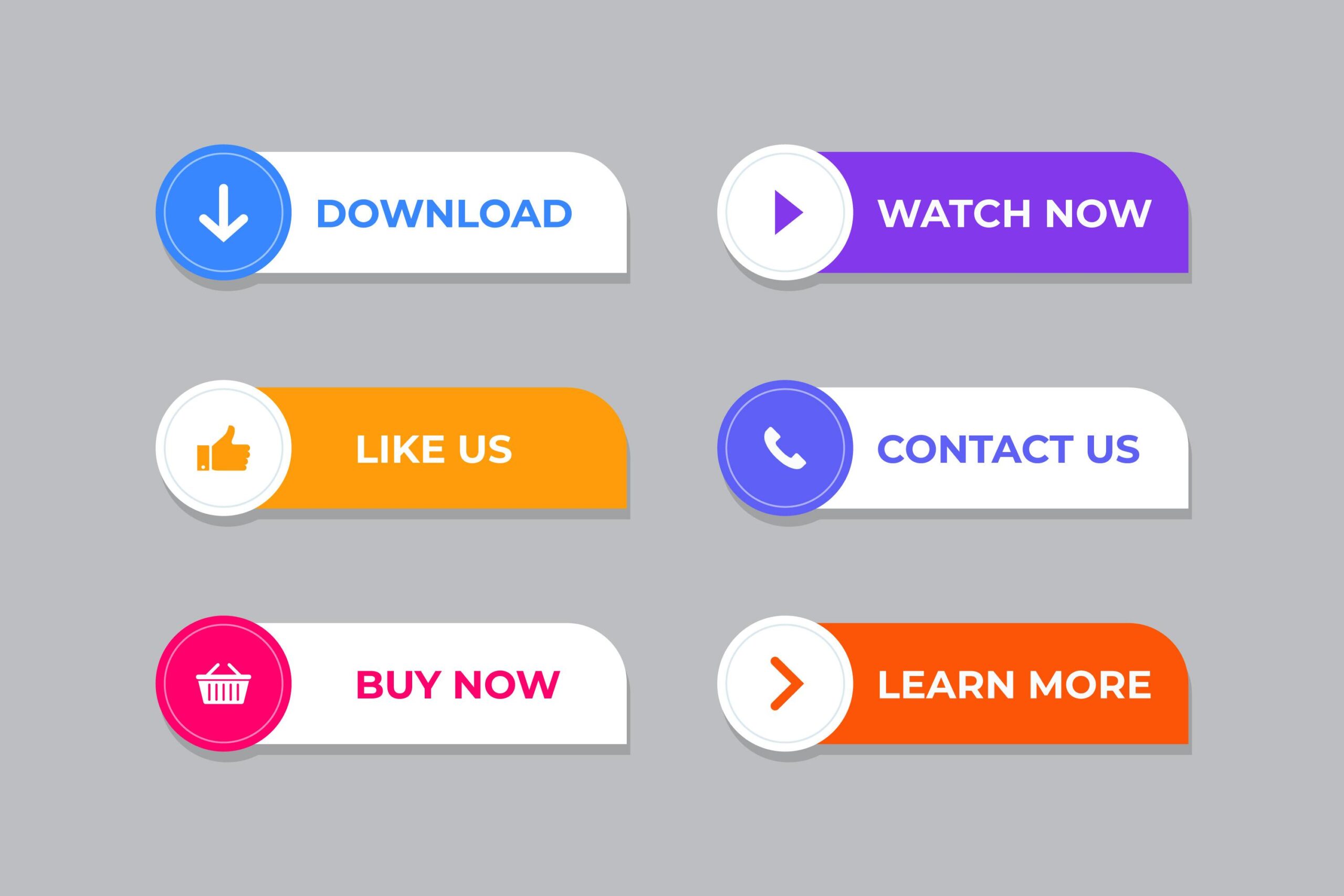
Lead generation

One of the most common uses of a CTA is lead generation. These CTAs are designed to encourage people to take a small but meaningful step, such as filling out a form or subscribing to updates.

Clear, visible CTAs across your website help visitors understand what they can do next instead of leaving without taking action.

Common examples include:

  • Sign up for our newsletter

  • Contact us to start a conversation

  • Enquire about how we can help

Read more or read on

When you have a lot of information to share, a “read more” CTA helps keep the main content focused while giving interested readers the option to go deeper.

This approach works well for blog posts, product pages, and long-form guides. Readers feel in control of how much they consume, while still getting enough information to decide whether they want to continue.

From a measurement point of view, these clicks are useful signals. Even if someone does not buy straight away, tracking what they read next helps you understand where they are in the buying journey and where drop-offs happen.

Common examples: Learn more about Conversion Rate Optimisation Service; View our Website Design Singapore projects; Explore Social Media Marketing Services

Social sharing

Social sharing CTAs help extend your reach beyond your own audience. People are far more likely to trust recommendations from friends than branded advertising, which makes social media a powerful channel for awareness and traffic.

CTAs on social posts are often simple and low effort, such as:

  • Read the full article

  • Watch our video

  • Follow us on social media

These prompts nudge users to engage without asking for a big commitment.

Newsletter subscriptions

Newsletter CTAs are designed to keep people connected to your brand over time. They often appear as buttons on key website pages or at the end of blog posts.

Simple, clear language works best here, such as:

  • Sign up to our newsletter

  • Get the latest insights to your inbox

Many businesses increase sign-ups by offering an incentive, like a discount or exclusive content, in exchange for subscribing.

Free trials or demos

Free trials and demos are strong CTAs for products or services that benefit from hands-on experience. They lower the barrier to entry and allow people to see value before committing.

This approach works across industries, from software to physical products like books or magazines. A clear CTA like “Try for free” or “Book a demo” helps remove hesitation.

The follow-up is just as important. If someone completes a trial but does not convert, timely communication can make the difference between losing them and turning them into a customer.

Contact details

Contact-related CTAs encourage users to share their details so you can follow up later. These are commonly found on enquiry or contact forms and use straightforward language, such as:

  • Send us a message

  • Get in touch

  • Submit

It is important to be clear about how contact details will be used and to link to your privacy policy to build trust.

Related content

Related content CTAs help keep readers engaged and on your site for longer. They guide users to other articles, resources, or products that naturally build on what they have already read.

For example, if someone is reading about ways to increase income, you might link them to another article with practical steps or tools to apply that knowledge. You can also use related content CTAs to cross-promote products or services within blog posts, videos, or guides.

Done well, these CTAs feel helpful rather than pushy and encourage deeper interaction with your brand.

what is call to action

How to create effective CTAs

A good CTA is clear, easy to read, and leaves no doubt about what happens next. At its core, it should tell the reader exactly what to do and why it is worth doing.

Before writing a CTA, ask yourself two simple questions:

  • What action do I want the reader to take?

  • Why would they want to take it?

Once those are clear, the writing becomes much easier.

1. Use imperative language

A CTA should tell, not ask. Strong CTAs use direct verbs like “Sign up”, “Join”, or “Learn more”.

Keep it short and action focused. Imperative language removes hesitation and makes the next step obvious.

Examples:

  • Join us

  • Call now

  • Browse our sale today

Avoid questions or vague wording. If the reader has to think about what happens after clicking, the CTA is already weaker.

2. Be persuasive, not confusing

A CTA should feel like a natural extension of the content that comes before it. People read because they are looking for something specific, so your CTA needs to match that intent.

Clarity matters more than clever wording. If it is not immediately clear what will happen after clicking, most people will not click at all. Make the action obvious and make sure the link or button works exactly as expected.

A good CTA answers one question in the reader’s mind: “Why should I do this now?”

3. Add a sense of urgency

Urgency helps push people from interest to action. Phrases like “now”, “today”, “limited time”, or “only a few left” tap into the fear of missing out.

You can also use softer urgency, such as:

  • Don’t miss out

  • Don’t delay

The key is to use urgency honestly. If everything is “urgent”, nothing is. Use it where timing actually matters.

4. Make it noticeable

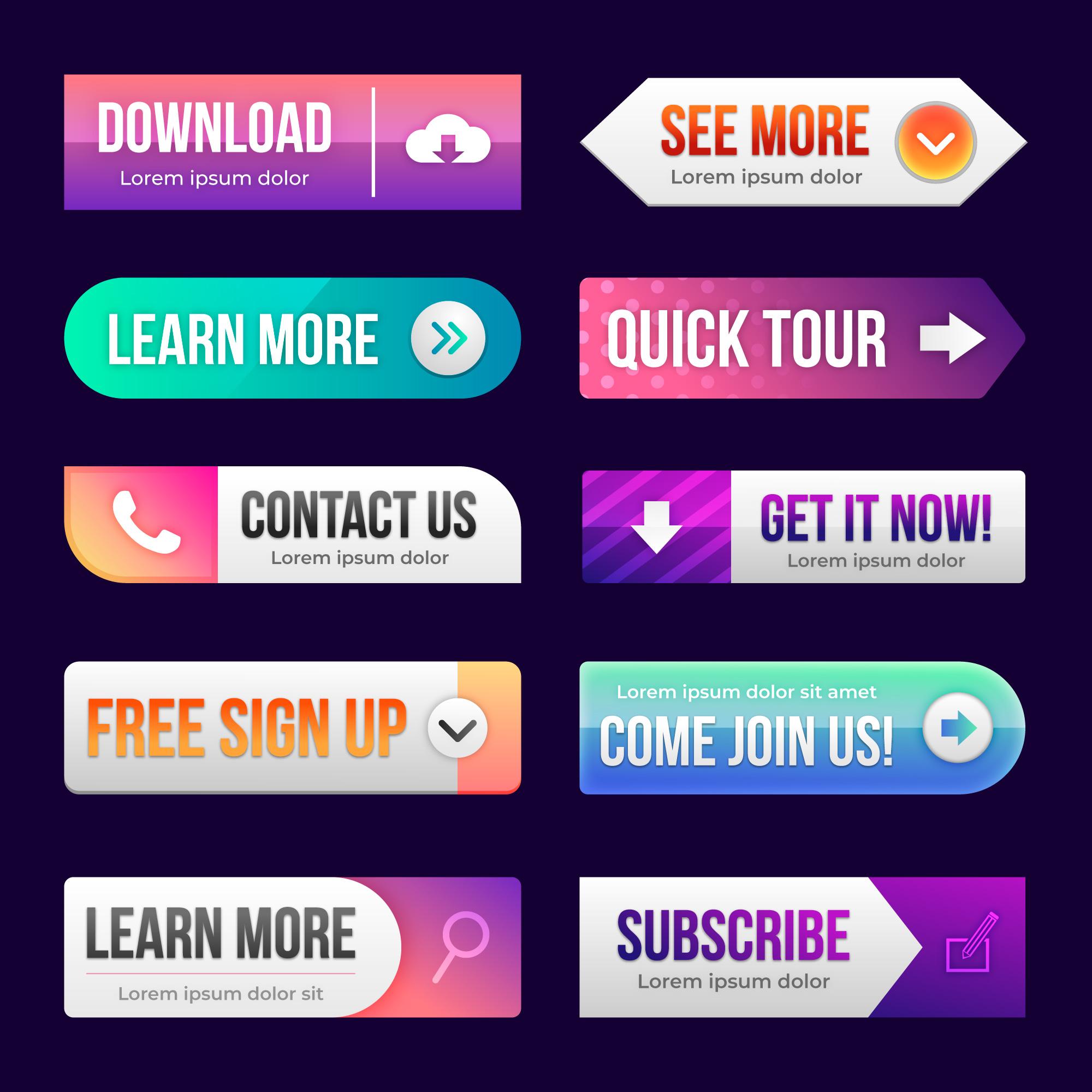
Even a well-written CTA will fail if people do not see it. Buttons, contrasting colours, or clear spacing can help your CTA stand out from the rest of the page.

Placement matters just as much as design. Put CTAs where users naturally pause or finish reading. In longer content, it is often effective to repeat the same CTA at different points rather than relying on a single one at the end.

Testing different wording, placements, or formats can also reveal what works best for your audience.

CTA Examples That Work Well

Here are practical CTA examples that businesses use to drive immediate response:

  • Book Consultation
  • Get Free Strategy Call
  • Contact Our Team
  • View Pricing
  • Try It Free
  • Check Availability
  • Order Now Before Sold Out
  • See Packages

If your business sells products online, pairing CTAs with trust elements like shipping info, ratings, and secure payment icons can boost confidence.

CTA Best Practices for Higher Conversion Rates

You can improve CTA results even without redesigning your entire website. Focus on these essentials:

  • Make CTAs easy to spot
  • Use high contrast colours and larger sizes
  • Place them above the fold and throughout longer pages
  • Give each page one clear primary action
  • Test different versions to find the winner
  • Ensure mobile accessibility and fast loading

Strong CTAs create momentum. Weak CTAs stop the journey too early.
what is call to action

Work With a CTA and CRO Partner in Singapore

If your traffic is growing but sales are not, your CTAs may be holding you back. A strong call to action can transform how visitors respond to your marketing.

MediaPlus Digital helps Singapore businesses:

  • Audit existing CTAs and identify gaps
  • Improve button copy, design, and placement
  • Run A/B tests to find the highest converting variation
  • Align CTAs with sales goals, offers, and lead pipelines
  • Integrate CRO insights with SEO and paid advertising campaigns

We focus on actions that lead to measurable revenue, not vanity clicks.

Ready to turn more visitors into customers?

Get in touch and let us optimise your CTAs for real growth.

You Might Also Like

Discover Your Next Growth Opportunities

Fill in the form and we’ll review your request and respond shortly

Is Your Brand Invisible to AI? Find Out Now.

Grab your free AI Visibility Audit to see if AI engines are recommending your services. 100% free, zero obligations.