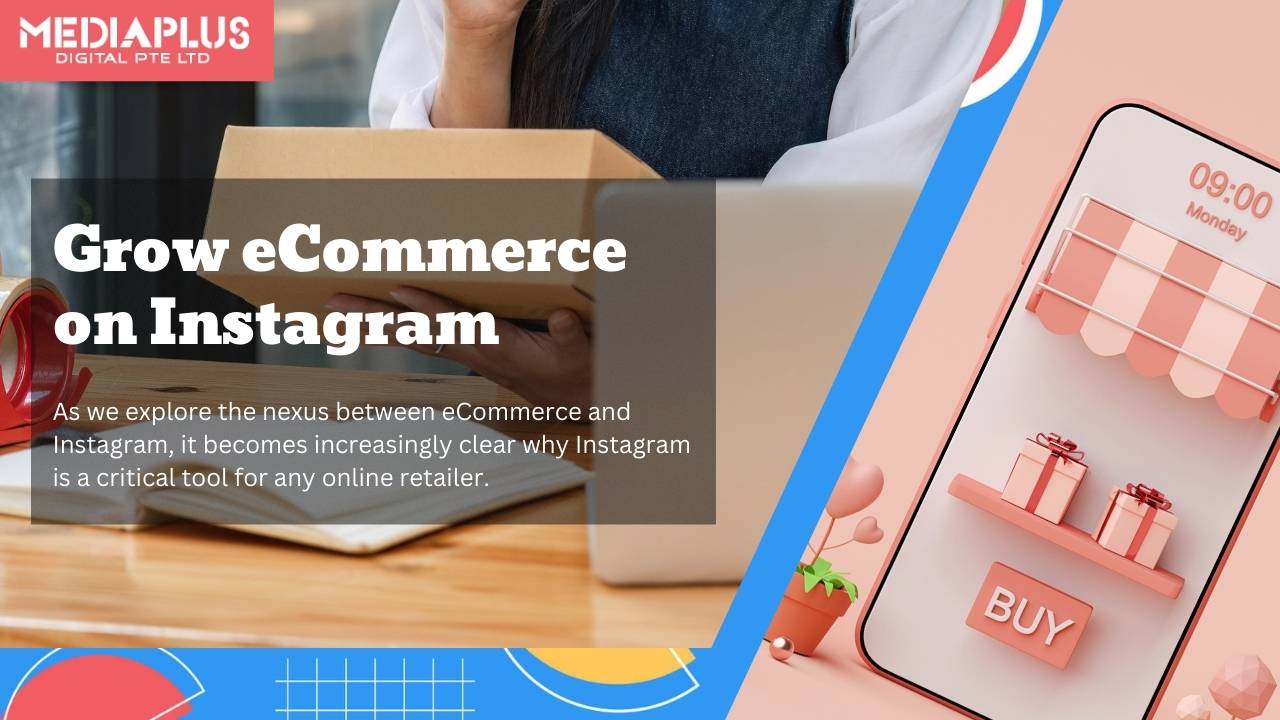
Instagram has evolved far beyond a photo-sharing app. It is now one of the most powerful digital storefronts available to brands of all sizes. With more than two billion monthly users and half a billion people active every single day, Instagram has become a place where people browse, discover, and shop without leaving the app.
Forty-four percent of users say they shop on Instagram every week. That means your audience is already in a buying mindset. The challenge is building a strategy that turns attention into conversions. Posting product photos is no longer enough. You need a system that blends content, shopping features, influencers, ads, and community in a way that feels helpful and natural.
This guide walks you through how to build a strong Instagram ecommerce strategy in 2025. You will see what works, why it works, and how to apply it to your own brand.
What Instagram Ecommerce Really Means
Instagram ecommerce is the practice of using Instagram to promote, showcase, and sell products. You can sell directly through Instagram Shops or drive users to your website. To unlock the full feature set, brands need a Business or Creator account, along with an approved product catalog.
Once set up, your Instagram Shop becomes a virtual storefront where people can browse collections, view details, and check out either within the app or through your website. This frictionless experience is why Instagram has become such a strong revenue channel for ecommerce brands.

Why Instagram Should Be Part of Your Ecommerce Strategy
Instagram has become one of the most effective platforms for product discovery and online shopping. It gives brands the ability to reach, engage, and convert customers without sending them through a complicated funnel. Here is why Instagram deserves a place in your ecommerce strategy:
-
Shopping is built into the viewing experience: Users can tap product tags, browse collections, and check out in just a few steps. This shortened buying journey removes friction and makes it much easier for people to complete a purchase.
-
Loyal customers naturally promote your products: User-generated content acts as authentic social proof. When real customers share how they use your products, it builds trust far more effectively than branded content alone.
-
Customer engagement is easier and more frequent: Instagram’s engagement rate is higher than most major platforms. Features like comments, likes, stories, replies, polls, and DMs help brands connect with customers in a more personal and consistent way.
-
You reach new audiences every day: More than 200 million people visit a business profile daily, and eighty-three percent discover new products on the platform. Instagram continuously exposes your brand to audiences who may not have found you otherwise.
-
Users are open to seeing brand content: Ninety percent of users follow at least one business. Half say they become more interested in a brand after seeing its ads, which makes Instagram a friendly environment for ecommerce promotions.
-
Brand awareness grows naturally: With a combination of discovery tools and social proof, Instagram helps brands strengthen visibility, trust, and loyalty at the same time.
Seven Instagram Ecommerce Examples That Get It Right
Instagram has become a major shopping hub, and some brands are using it so effectively that their profiles work almost like full online storefronts. These examples show how smart content, strong visuals, and seamless shopping tools can turn Instagram into one of your highest-converting channels.

Beardbrand
Beardbrand is one of the best examples of combining education with ecommerce. Their Instagram strategy focuses heavily on grooming tips, tutorials, and product-use demonstrations. This approach works because educational content drives up to 4 times more saves and shares compared to standard product photos. Beardbrand then pairs these posts with shoppable tags and curated bundles that make buying easy. The result is a feed that builds trust while guiding viewers straight to a purchase.
Tentree
Tentree’s Instagram presence blends sustainability storytelling with a strong community-driven approach. They consistently feature UGC, behind-the-scenes content, and educational posts about materials and environmental impact. This strategy resonates especially well with younger audiences, as 71% of Gen Z prefer brands that demonstrate sustainability efforts. Tentree’s followers often repost or tag the brand, creating a loop of organic visibility and social proof.
Cowboy Bikes
Cowboy Bikes makes electric bikes feel aspirational through a clean mix of city lifestyle photography, product close-ups, and well-structured collections in their Instagram Shop. Their content helps users quickly understand features, tech, and benefits without feeling overwhelmed. Because lifestyle visuals can increase purchase intent by up to 58%, Cowboy Bikes uses Instagram to connect the product to real-life scenarios, which strengthens buyer confidence.
Allbirds
Allbirds is known for its sustainability message, and the brand integrates this perfectly into its Instagram strategy. Their feed highlights eco-friendly materials, factory processes, and carbon-footprint data. They pair this with shoppable posts and influencer collaborations. Influencer posts are powerful here, data shows that 49% of shoppers rely on influencer recommendations before purchasing. Allbirds uses that trust to drive clicks from content straight to checkout.
Package Free
Package Free is a great example of how smart organization improves conversions. Their Instagram Shop is neatly arranged by categories such as Kitchen, Bath, Zero-Waste Kits, and Everyday Essentials. This matters because well-organized shops can reduce user drop-off by over 30%, especially on mobile. Combined with short educational posts about sustainability, Package Free makes it easy for users to understand, browse, and buy in minutes.
Meow Meow Tweet
Meow Meow Tweet brings personality to their Instagram with bold colors, cheerful graphics, and real UGC. Their playful visual identity is instantly recognizable, which helps with brand recall, a critical factor when 80% of consumers say visual consistency influences whether they buy from a brand. Their simple product tagging and clean layouts also make the shopping experience smooth and intuitive.
Lunchskins
Lunchskins uses Instagram to drive conversions through interactive content like giveaways, Stories with product stickers, and easy-to-shop posts. Giveaways alone can increase follower growth by up to 70% during campaign weeks, and Lunchskins uses them strategically around launches and seasonal shopping moments. Their product-focused stories and shoppable tags help convert viewers who prefer faster, story-based shopping paths.
Five Core Strategies for a Winning Instagram Ecommerce Presence
Building a strong ecommerce presence on Instagram isn’t about posting random product shots and hoping the algorithm does the work. It’s a mix of smart shopping tools, engaging content, strong targeting, and consistent community interactions. Here are five core strategies that help brands turn Instagram into a reliable revenue channel.

1. Use Instagram’s Shopping Features
Instagram has made shopping so seamless that many users don’t even realize they’re already midway through a purchase. Make the most of these built-in features:
- Create shoppable posts: Tag products directly on photos, reels, and stories so shoppers can tap for more details. Posts with product tags consistently drive higher conversion rates because they remove friction from the buying journey.
- Optimize your product catalog: Your catalog is essentially your in-app store. Use high-quality images, clean product titles, and updated stock information. Clear descriptions help reduce confusion and support faster purchase decisions. Organized collections make browsing feel natural instead of overwhelming.
- Keep your Shop tab fresh: Your Shop tab is the equivalent of a storefront window. Rotate in new arrivals, seasonal picks, and bestsellers so the page always feels alive and relevant. Instagram tends to prioritize active shops, which can help with visibility.
- Add UGC videos to collections: Short creator tutorials and customer clips build immediate trust. Seeing real people use a product increases purchase likelihood significantly, especially for beauty, lifestyle, and home goods categories.
2. Invest in Instagram Ads That Drive Conversions
Organic reach can only take you so far. Paid ads help you scale quickly and reach the right audiences.
- Run awareness ads for new launches: Use reels, lifestyle visuals, and quick demos to introduce new products. Video ads typically generate higher engagement and stronger recall than static images.
- Retarget high-intent audiences: People who viewed a product, added it to cart, or visited your website are your warmest prospects. Dynamic product ads show them the exact items they left behind, which is one of the most effective ways to recover abandoned carts.
- Track metrics that matter: Monitor CTR, ROAS, CPC, and conversion rates. If CTR is healthy but conversions lag, the issue is rarely the ad. It’s usually the landing page, product page, or checkout process. Fix the bottleneck and your return improves.
3. Spark FOMO to Drive Impulse Buying
FOMO is one of the strongest psychological triggers for ecommerce and Instagram is the perfect place to use it.
- Promote flash sales: A short countdown sticker or 24-hour promo often sparks quick decision-making. Shoppers don’t want to miss out, especially when the deal is clear and easy to understand.
- Use limited releases: Early access drops, follower-only discounts, or small-batch launches help you reward your most engaged audience. These formats often generate higher conversion rates because they create excitement and exclusivity.
4. Use Influencer Marketing Wisely
Influencers can help you reach the right communities, but the key is choosing partners who actually influence buying decisions.
- Choose the right creators: Engagement quality matters more than follower count. A micro-influencer with a loyal audience can drive better sales than a celebrity with passive followers.
- Co-create content: Let creators showcase your product in their own style. Authenticity drives trust, and audiences can tell when a post feels forced or overly scripted.
- Track results properly: Use UTM links, unique discount codes, and Instagram’s branded content insights to measure real impact. This helps you understand which creators generate meaningful engagement versus those who generate vanity metrics.
5. Build a Community That Converts
The strongest Instagram brands aren’t just stores, they’re communities. People buy because they trust the brand and feel connected.
- Talk to your followers: Take time to reply thoughtfully to comments, DMs, and tagged posts. A friendly, useful response can turn a curious viewer into a loyal customer.
- Use stories for daily touchpoints: Polls, quizzes, Q&A stickers, behind-the-scenes clips, and product tips keep your profile top of mind. Stories are great for building routine engagement without feeling overly promotional.
- Highlight reviews and social proof: Create story highlights for testimonials, before-and-after results, UGC, and customer shoutouts. Social proof reduces hesitation and nudges shoppers toward buying.
Advanced Instagram Techniques for 2025
Instagram keeps rolling out new features that make it easier for brands to stand out, test ideas, and convert followers into customers. If you want to stay ahead of competitors in 2025, these advanced tactics should be part of your playbook.
Trial Reels
Instagram now lets you publish a Reel to followers only. It’s perfect for testing hooks, formats, and storytelling styles before showing them to the public. If a Trial Reel drives high engagement, repost it to the full audience to maximize reach.
Speed-scrolling carousels
This new interaction style lets users “scrub” through a carousel quickly, almost like a GIF. It works incredibly well for product reveals, manufacturing processes, color drops, or before-and-after transformations. Keep text minimal and let the visuals do the work.
Zoom-in and fast-forward Reels
Viewers can now pinch to zoom and tap to fast-forward. Brands are using this for playful surprises, hidden promo codes, behind-the-scenes moments, and quick product teases. It’s a simple way to increase watch time and boost interaction.
Polls in Reels
Adding polls directly inside Reels gives you instant feedback. You can crowdsource preferences like color options, product types, or packaging choices. Polls also act as engagement magnets, which helps the algorithm push your content further.
Comment-to-DM automations
Tools like ManyChat turn comments into automatic DMs. For example, “Comment GLOW for the skincare routine” triggers a message with a discount code or product link. It’s an easy funnel for driving leads, growing your email list, and converting engaged viewers.
Check more: Digital Marketing Funnel Explained: TOF, MOF, BOF
Treat your profile like a landing page
Your profile is often where someone decides whether to follow or buy. Treat it as prime real estate:
- Use a clear bio with a simple CTA
- Keep your link in bio organized and conversion-focused
- Refresh your highlight covers and categories
- Pin your best reels, customer proof, and top products
Optimising for Instagram SEO
Instagram is quickly becoming a search engine of its own, and getting discovered now depends on how well your content is optimised. A few small tweaks can dramatically improve reach and help your products show up in relevant searches.
Use keywords naturally in captions
Write your captions the way your customers think. Include product names, categories, or problem-solving phrases early in the caption, so Instagram can understand the context. For example, instead of saying “New drop alert,” try “New hydrating face serum for dry and sensitive skin.”
Add manual alt text
Instagram auto-generates alt text, but it rarely captures important details. Adding your own helps the algorithm understand your content better and makes your posts accessible. Describe what’s in the image and weave in one or two keywords, like: “Beige canvas tote bag with long straps on a wooden table.”
Choose the right hashtags
Hashtags still matter, but quality beats quantity. Go for 5 to 7 relevant hashtags that match your niche or the product category. Skip the 30-tag overload. Mix:
- Niche hashtags your target customers actually browse
- Mid-sized hashtags with steady activity
- One branded hashtag to grow your community
Use Instagram Analytics to Stay Ahead
Analytics is where your Instagram ecommerce strategy stops being guesswork and starts becoming data-driven. Make it a habit to review your insights weekly or monthly so you can spot patterns, strengths, and weak points early.
Some of the most important metrics to keep an eye on include:
- Post reach: See how well your content is being surfaced by Instagram. If reach drops, it’s usually a signal to refresh your hooks, try new formats (like Reels), or test trending audio.
- Engagement percentage: Likes, comments, replies, and video watch time show whether your content resonates. A low engagement rate often means your visuals or captions need more storytelling or clearer value.
- Saves and shares: These two metrics are the strongest indicators of high-value content. Instagram pushes posts with strong save/share numbers to more people, so study which posts earn them and create more of that style.
- Audience demographics: Age, location, and gender breakdown help you shape campaigns and product content. If your buyers are mostly 18–34, your content style and posting times should reflect that behavior.
- Peak activity times: Posting at the right time can boost your initial engagement, which directly helps the algorithm. Use this data to schedule important posts (campaign launches, UGC, or reels with high potential).
Use these insights to build a content calendar that’s realistic, consistent, and tied to actual data, not vibes. Over time, your content becomes more aligned with what your audience actually wants, not what you assume they want.
Practical Tips to Keep Your Instagram Ecommerce Strategy Strong
A strong Instagram presence isn’t about going viral, it’s about staying consistent and intentional. These habits help brands maintain momentum:
- Stay consistent with posting: A steady rhythm (even 3 times a week) beats random bursts. It keeps the algorithm warm and your audience engaged.
- Run seasonal promotions: Tie product pushes to moments that matter holiday periods, shopping seasons, or niche events relevant to your brand.
- Use closed captions for silent scrollers: Most people watch Reels and Stories without sound. Captions ensure your message is still clear.
- Keep your bio link updated: Use a link-in-bio tool to feature new arrivals, collections, offers, and your top-performing pages.
- Use co-created posts for extra reach: Co-authored posts with creators, partners, or ambassadors instantly double exposure and build credibility.
- Switch to a Creator account early if reach matters: Creator accounts get stronger reach advantages and access to trending audio, making them ideal for brands in the growth stage.
Instagram Ecommerce Strategy: Final Thoughts
Instagram isn’t just a place to browse anymore. It’s a complete shopping environment where people discover, evaluate, and buy all without leaving the app. For ecommerce brands, that means the path to conversion is shorter and more visual than ever.
With the right mix of content, shopping tools, influencers, and well-structured ads, Instagram can become a reliable revenue channel rather than a vanity platform. The brands that win in 2025 are the ones that show up consistently, build trust through UGC and authentic storytelling, and make purchasing feel effortless.
If you’re ready to scale faster but need support running high-performing campaigns, MediaPlus offers specialised Instagram Ads and Social Media Advertising services tailored for Singapore businesses. From full-funnel ad strategy to creative direction and optimisation, the team helps you turn Instagram into a predictable and profitable sales engine.