In today’s fast-paced digital world, staying ahead of SEO trends is vital for business growth.
Search engines like Google constantly update their algorithms, and what worked last year may no longer be effective.
To remain competitive in 2026, businesses must adapt swiftly. Whether you’re an entrepreneur or a digital marketing professional, understanding the evolving SEO landscape is key to success.
Key Takeaways:
- Voice search optimization and AI will dominate SEO trends in 2026.
- Video marketing and content excellence are crucial for higher search rankings.
- User experience (UX) and mobile optimization are essential for improved visibility.
- Local SEO and featured snippets offer opportunities to capture more traffic.
By integrating these strategies, you can enhance your business’s visibility, drive more traffic, and achieve long-term success. Let’s dive into the top 10 trends shaping the future of SEO.
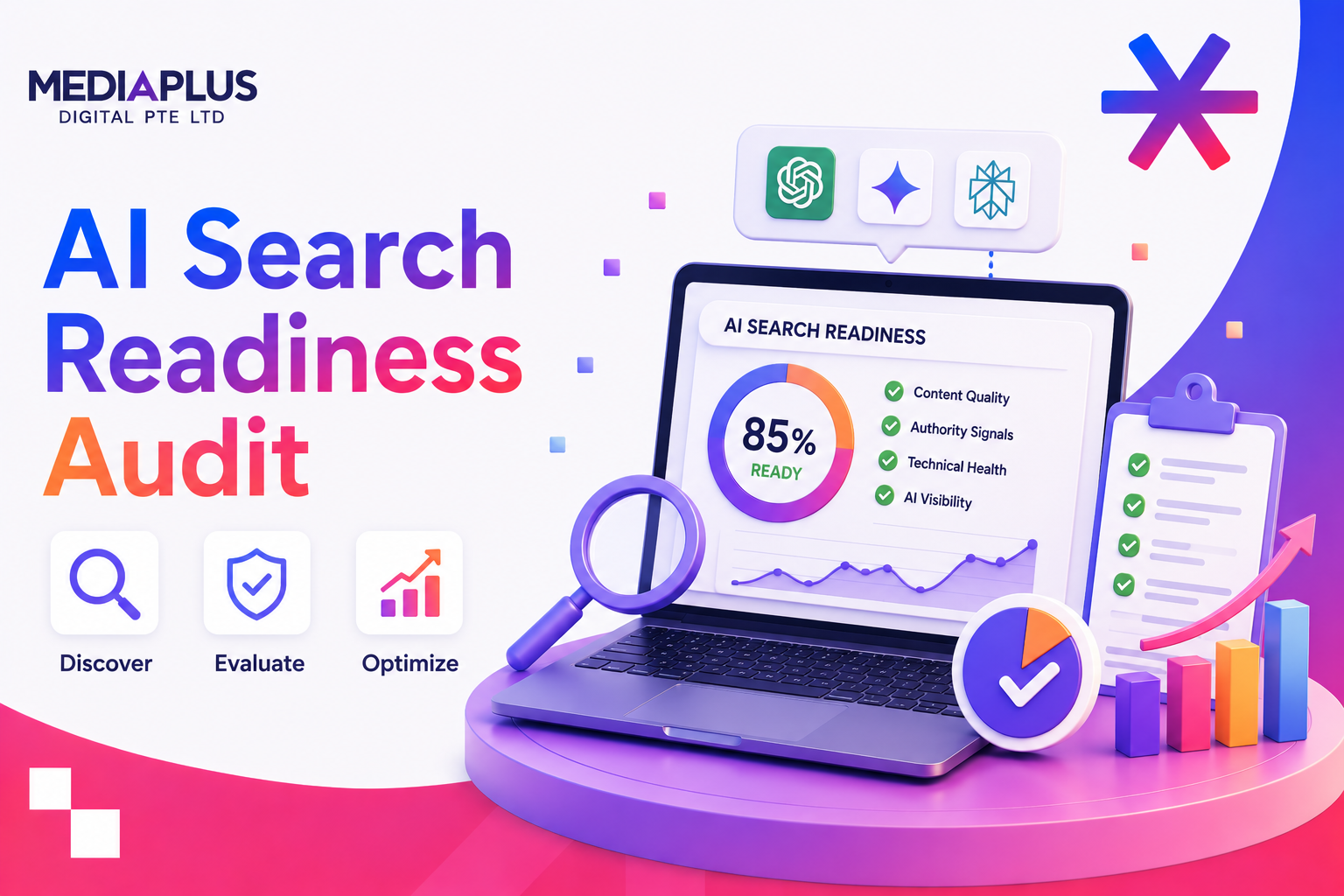
AI Visibility Will Become a Core SEO Metric
Search is no longer limited to Google. Users turn to ChatGPT, Gemini, Perplexity, Claude, and other AI tools to get answers instantly. These platforms pull information from multiple sources, not just the top ten Google results.
This means your business needs to understand how it appears across AI systems, not just organic search. AI tools break a single query into several smaller questions, find answers from trusted websites, then combine them into one response. If your content is not structured clearly, it will not be cited.
How to Optimise for AI Visibility
- Create pages that answer questions directly in the first paragraph.
- Use simple structures. AI tools prefer lists, tables, FAQs, and bullet points.
- Add unique insights, data, examples, and expert commentary to increase credibility.
- Include a clear author bio with qualifications and experience.
- Update content quarterly to keep it fresh and reliable.
As AI reshapes search behaviour, improving visibility across AI platforms will give you an advantage long before competitors start paying attention.
Voice Search Optimization Will Dominate
Voice search is becoming increasingly important as more users rely on devices like Siri, Alexa, and Google Assistant to search online. By 2026, it’s predicted that over 50% of searches will be voice-driven.
To capture this audience, businesses need to:
- Use natural language and long-tail keywords.
- Optimize for conversational queries.
Tip: Focus on answering common questions your audience asks in a conversational manner to optimize for voice search.

How Can Video Marketing Improve Your SEO Strategy?
Video marketing is set to dominate in 2026, with over 80% of all web traffic expected to come from video content. Integrating video into your SEO strategy can significantly boost engagement and rankings.
Here’s why:
- Videos increase user engagement and dwell time.
- They can rank in both Google search and video search results.
Case Study: A fashion brand collaborated with influencers to create engaging video content. This strategy led to a 300% increase in followers and a 20% rise in engagement, showcasing the potential of video marketing in SEO. Read the full case study here.
The Rise of Featured Snippets
Featured snippets occupy prime real estate on Google’s search results pages, often appearing above the first organic result. In 2026, they will become even more prominent, with over 60% of search queries triggering snippets.
To capture featured snippets:
- Structure your content to provide concise answers to common questions.
- Use headers, lists, and tables to organize information.
Tip: Optimize your content for quick, digestible answers to boost your chances of ranking in featured snippets.
By doing so, you not only improve visibility but also establish authority in your niche.
Zero-Click Searches Are Changing How Users Behave
A growing number of searches lead to zero clicks. Google answers the question directly through AI Overviews, featured snippets, People Also Ask boxes, and knowledge panels. Users get what they need without clicking your website.
Although this reduces traffic, it increases brand visibility and trust when your content is featured as a source.

How to Optimise for Zero-Click Results
- Start sections with a direct one-sentence answer.
- Use clear headings and subheadings to structure information.
- Format definitions and steps in simple lists.
- Add schema markup to eligible pages such as FAQs, recipes, reviews, and how-to guides.
This helps your website appear in Google’s instant answers and AI Overviews, bringing more visibility even when clicks decrease.
Why Is Mobile Optimization Critical for SEO?
Google’s mobile-first indexing means that websites optimized for mobile devices have an advantage in search rankings. With over 50% of traffic coming from mobile, a responsive design is essential.
- Ensure your website is mobile-friendly and loads quickly.
- Simplify navigation for smaller screens.
Case Study: A shipping company revamped its mobile experience, resulting in a 33% increase in website visits year-over-year and a 22% increase in leads. Read the full case study here.
By prioritizing mobile users, you enhance user experience and improve your search engine rankings.
How Does User Experience Impact SEO Rankings?
User experience (UX) is becoming a key ranking factor. Google’s Core Web Vitals emphasize page load speed, responsiveness, and visual stability.
- Ensure fast loading times.
- Optimize website layout for easy navigation.
- Provide valuable and relevant content.
Tip: Regularly test your website’s performance on different devices to ensure a seamless experience.
Websites that prioritize UX improvements benefit from higher rankings and improved user engagement.
Local SEO Will Drive More Traffic to Your Business
By 2026, over 70% of searches will have local intent. Optimizing for local SEO means capturing highly relevant traffic, especially for businesses with a physical presence.
To succeed in local SEO:
- Use location-based keywords in your content.
- Optimize your Google My Business profile.
- Gather local reviews and testimonials.
Tip: Incorporate phrases like “near me” or specific city names to attract local customers.
By targeting local searchers, you increase foot traffic and online visibility within your community.
Content Quality and Conversational Keywords Are Now the Core of Modern SEO
High quality content has always mattered, but the way people search has changed. Google relies heavily on E-E-A-T signals (Experience, Expertise, Authoritativeness, Trustworthiness), while AI platforms focus on clear, direct, and conversational answers. This means content excellence and conversational keyword optimisation are no longer separate ideas. They work best when used together.
Why Content Excellence Still Drives Rankings
Google continues to reward content that is original, trustworthy, and genuinely helpful. Strong-performing pages usually include:
-
Well researched and unique insights
-
Real examples, data points, and trusted references
-
Regular updates to keep information fresh
A great example comes from a B2B brand that invested heavily in content depth and relevance. Within months, 90% of their target keywords reached the first page of Google, leading to stronger traffic growth and higher conversions.
Why Conversational Keywords Matter More Than Traditional Terms
With ChatGPT, Gemini, voice search, and AI assistants becoming mainstream, people no longer search the way they used to. Instead of typing short keywords like “running shoes,” they ask full questions:
-
“what running shoes should I buy for flat feet”
-
“which shoe brands are best for beginners”
-
“what’s the difference between neutral vs stability shoes”
These conversational phrases reveal clearer intent and often convert far better than traditional short keywords. They are also the phrases AI tools are most likely to cite.
How to Adapt Your Keyword and Content Strategy
To align with this shift, focus on how real users speak, not how search tools used to work:
-
Collect real questions from chats, calls, emails, and sales conversations
-
Optimise pages around “how to,” “why,” “best way to,” and “vs” comparisons
-
Add structured FAQ sections to major pages (AI systems love Q&A formats)
-
Use internal links to guide users from broad terms to deeper answers
SEO Now Lives Across Multiple Platforms
Google is still dominant, but users are searching across more platforms than ever. TikTok, YouTube, Amazon, Reddit, Bing, and Instagram all influence buying decisions.
You cannot rely on Google alone. Your content must be discoverable everywhere your customers search.
Where to Focus in 2026
- YouTube SEO: Optimise video titles, descriptions, captions, and chapters.
- TikTok SEO: Use keyword-rich captions and on-screen text for ranking in search.
- Amazon SEO: For ecommerce brands, optimise product keywords, images, and Q&A.
- Bing SEO: Submit your sitemap and optimise metadata. Bing’s market share is growing.
- Reddit visibility: Participate in relevant subreddits. AI tools heavily reference Reddit threads.
A cross-platform strategy helps you reach customers no matter where they start their research.
Can Influencer Marketing Boost Your SEO?
Influencer marketing is an excellent way to build backlinks and increase traffic. When reputable influencers share your content, it sends strong signals to Google about your site’s authority.
- Partner with influencers relevant to your industry.
- Create high-quality, shareable content.
Tip: Collaborate on content that provides value to both your audience and the influencer’s followers.
This strategy not only enhances SEO but also expands your reach to new audiences.
Social Media and Search Are Becoming Intertwined
Social media signals play an indirect role in search rankings. When users share your content across platforms, it increases visibility and drives traffic.
To maximize the SEO benefits of social media:
- Create engaging, shareable content.
- Encourage social sharing through easy-to-use buttons.
- Align social media strategy with SEO goals.
Tip: Use consistent branding and messaging across all platforms to strengthen your online presence.
A strong social media presence complements your SEO efforts and enhances brand awareness.
Conclusion
Search is changing fast, and 2026 is already proving that businesses need more than the basics to stay visible. Voice search, AI driven results, and higher content standards are reshaping how people discover information online. When you understand these shifts and adapt early, you give your business a real advantage. Strong fundamentals paired with forward looking SEO tactics make it easier to protect your rankings and grow sustainably.
If you want support putting these ideas into action, MediaPlus Digital can help. Our team builds strategies that fit how search works today and how it will evolve tomorrow. Visit our website to explore our SEO services and take the next step toward stronger visibility.