In today’s competitive online landscape, having a website alone is not enough. Businesses need clear strategies for digital marketing to attract the right audience, generate leads, and convert traffic into customers.
Digital marketing combines data, technology, and creativity to help brands reach people where they spend most of their time: online. When executed strategically, it becomes one of the most powerful growth engines for modern businesses.
This guide explores the most effective digital marketing strategies companies use to increase visibility, drive traffic, and improve ROI.
What Are Digital Marketing Strategies?
Digital marketing strategies are structured plans businesses use to promote products or services through digital channels.
These channels typically include:
-
Search engines
-
Social media platforms
-
Email marketing
-
Online advertising
-
Content marketing
-
Websites and landing pages
A strong strategy focuses on delivering the right message to the right audience at the right time.
Unlike traditional marketing, digital marketing allows businesses to track performance in real time and continuously optimize campaigns for better results.
Why Digital Marketing Strategies Matter
Without a clear strategy, digital marketing becomes fragmented and ineffective.
A well-defined approach helps businesses:
-
Reach targeted audiences more efficiently
-
Increase brand awareness
-
Generate qualified leads
-
Improve conversion rates
-
Build long-term customer relationships
Businesses that implement structured digital marketing strategies often experience stronger growth and more predictable revenue.
12 Proven Strategies for Digital Marketing Success
1. Search Engine Optimization (SEO)
SEO is one of the most important long-term digital marketing strategies.
It focuses on improving a website’s visibility on search engines like Google. When done correctly, SEO allows businesses to attract organic traffic from people actively searching for products or services.
Key SEO activities include:
-
Keyword research
-
On-page optimization
-
Technical SEO improvements
-
Content creation
-
Link building
Organic search traffic often delivers high-quality visitors who are already interested in what a business offers.
2. Content Marketing
Content marketing involves creating valuable content that educates, informs, or solves problems for a target audience.
Common formats include:
-
Blog articles
-
Guides and tutorials
-
Videos
-
Infographics
-
Case studies
High-quality content helps businesses build trust and authority while improving search engine rankings.
3. Social Media Marketing
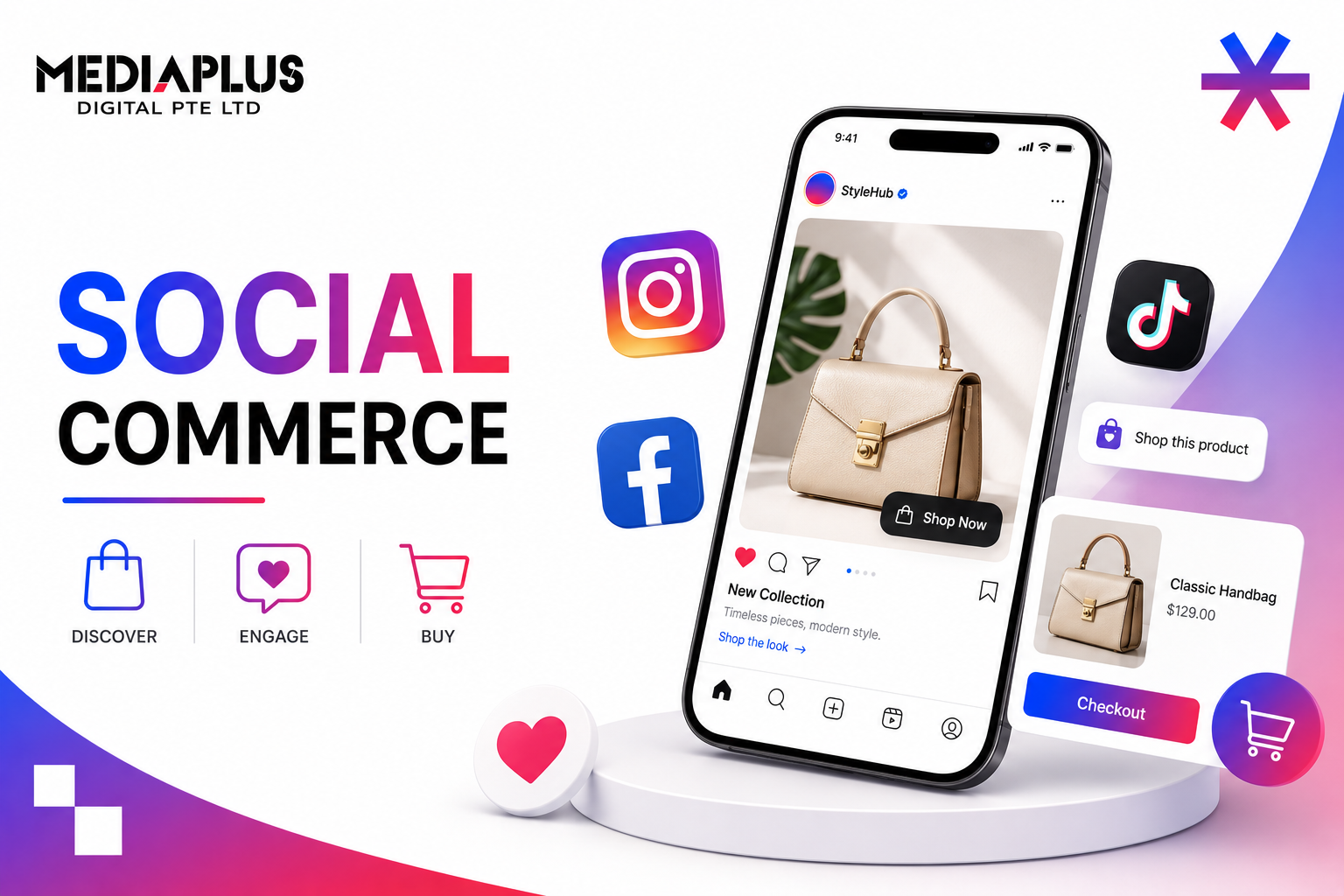
Social media platforms allow businesses to connect with audiences directly and build strong communities around their brands.
Popular platforms include:
-
Facebook
-
Instagram
-
LinkedIn
-
TikTok
-
YouTube
Social media strategies may involve organic content, paid campaigns, influencer collaborations, or community engagement.
4. Pay-Per-Click Advertising (PPC)
Paid advertising allows businesses to appear instantly in front of potential customers.
Common PPC platforms include:
-
Google Ads
-
Facebook Ads
-
LinkedIn Ads
-
Display advertising networks
Unlike SEO, which takes time to build momentum, PPC campaigns can generate traffic immediately.
5. Email Marketing
Email remains one of the most cost-effective digital marketing strategies.
Businesses use email marketing to:
-
Send newsletters
-
Promote products
-
Nurture leads
-
Retain existing customers
Personalized email campaigns often produce strong engagement and conversion rates.
6. Conversion Rate Optimization (CRO)
Driving traffic to a website is only part of the equation. Converting that traffic into leads or sales is equally important.
Conversion optimization focuses on improving:
-
Landing page design
-
User experience
-
Call-to-action placement
-
Page speed
-
Customer journey flow
Small improvements in conversion rate can significantly increase overall revenue.
7. Influencer Marketing
Influencer marketing leverages trusted personalities or content creators to promote products and services.
By collaborating with influencers who have strong audience relationships, brands can expand their reach and credibility quickly.
This strategy is particularly effective in industries like lifestyle, fashion, travel, and technology.
8. Video Marketing
Video content has become one of the most engaging digital formats.
Businesses use video to:
-
Explain products
-
Share tutorials
-
Showcase customer stories
-
Build brand personality
Platforms like YouTube, Instagram Reels, and TikTok make video marketing highly accessible.
9. Mobile Marketing
With the majority of internet users accessing content through mobile devices, mobile optimization is essential.
Mobile marketing strategies include:
-
Mobile-friendly website design
-
SMS campaigns
-
App-based advertising
-
Mobile search optimization
A seamless mobile experience improves both engagement and conversions.
10. Marketing Automation
Automation tools help businesses streamline marketing tasks such as email campaigns, lead nurturing, and customer segmentation.
Automation platforms can:
-
Trigger emails based on user behavior
-
Score leads automatically
-
Schedule social media posts
-
Track campaign performance
This improves efficiency and enables personalized marketing at scale.
11. Data-Driven Marketing
Modern digital marketing strategies rely heavily on data.
Analytics tools help businesses understand:
-
Audience behavior
-
Campaign performance
-
Conversion patterns
-
Customer journeys
Data insights allow marketers to continuously refine strategies and allocate budgets more effectively.
12. Omnichannel Marketing
Customers interact with brands across multiple platforms.
An omnichannel strategy ensures consistent messaging and seamless experiences across:
-
Websites
-
Social media
-
Email
-
Advertising platforms
-
Mobile apps
Consistency strengthens brand recognition and improves customer experience.
How to Choose the Right Digital Marketing Strategy
Not every strategy works equally well for every business.
When selecting strategies, companies should consider:
-
Business goals
-
Target audience
-
Budget and resources
-
Industry competition
-
Sales cycle length
A balanced digital marketing strategy often combines several channels to create a strong and sustainable growth system.
Digital Marketing Services by Mediaplus Digital Singapore
Implementing effective strategies for digital marketing requires both expertise and consistent execution. Businesses looking for professional support can work with experienced agencies such as Mediaplus Digital Singapore.
Their digital marketing service helps companies build scalable marketing systems designed to generate traffic, leads, and long-term business growth.
Key services include:
- Digital Marketing Strategy Development: Comprehensive planning aligned with business goals, target audiences, and growth metrics.
- Search Engine Optimization (SEO): Technical optimization, keyword research, and content strategies that improve organic search visibility.
- Performance Marketing: Campaign setup and optimization across platforms such as Google Ads and social media advertising networks.
- Content Marketing & SEO Blogging: High-quality content designed to attract search traffic and strengthen brand authority.
- Social Media Marketing: Campaign planning, audience targeting, and performance analysis across major social platforms.
- Conversion Rate Optimization: Landing page design improvements and testing strategies to increase lead generation and sales.
By combining strategy, technology, and data insights, Mediaplus Digital Singapore helps businesses build integrated digital marketing systems that deliver measurable results.
Final Thoughts
Digital marketing is constantly evolving, but the fundamentals remain the same: understand your audience, deliver value, and communicate effectively across the right channels.
The most successful businesses use a combination of strategies including SEO, content marketing, social media, paid advertising, and conversion optimization.
When these strategies work together as part of a cohesive digital marketing plan, they can drive consistent traffic, stronger brand visibility, and sustainable business growth.