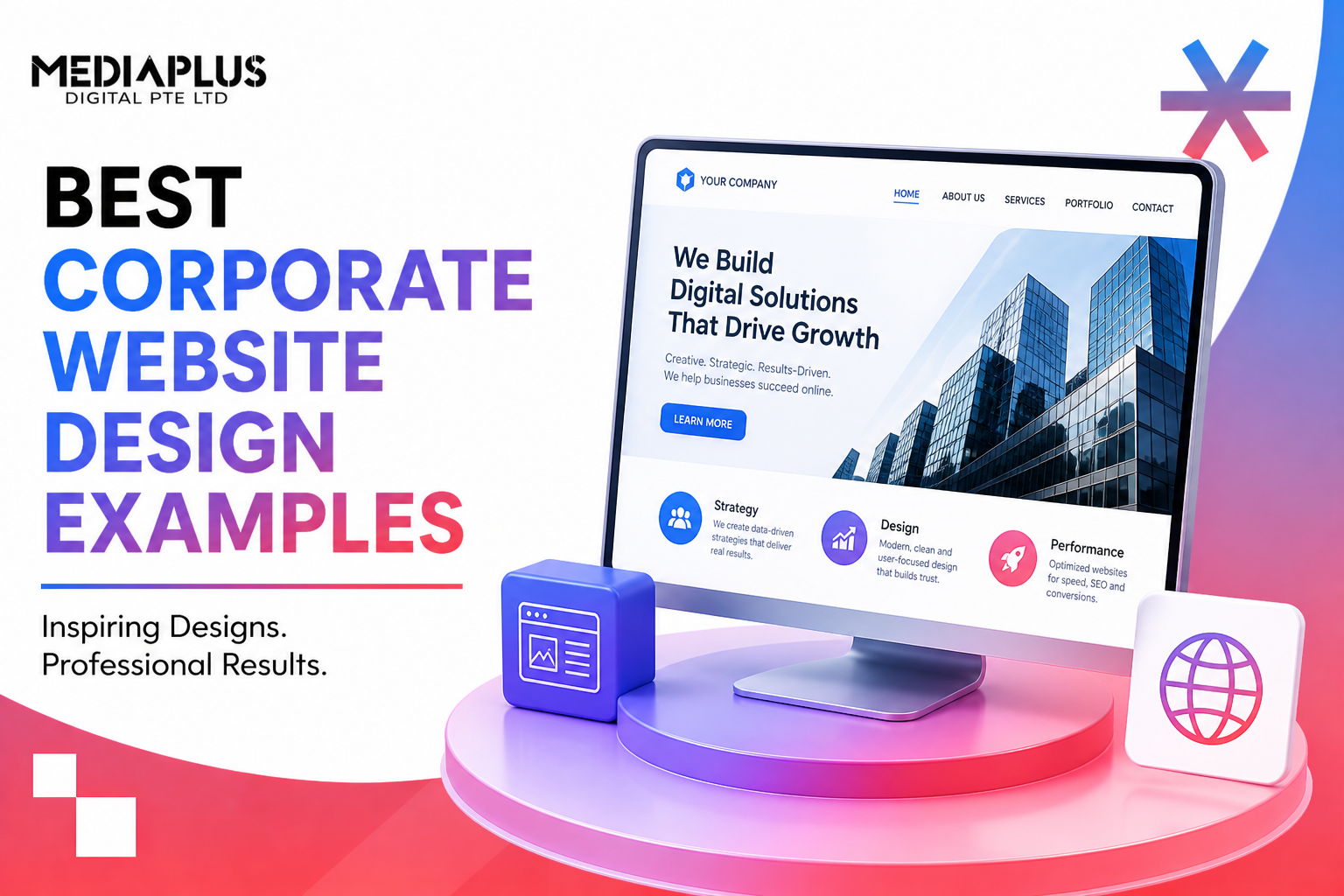
A corporate website is often the first place people go to understand your business. For clients, partners, investors, and even potential hires, it shapes credibility in seconds. Studies show that more than 75 percent of users judge a company’s trustworthiness based on website design alone. That is why the best corporate website design goes far beyond visuals. It combines clarity, performance, structure, and brand consistency.
Below are 10 best corporate website design examples that consistently rank among the strongest in the world, and more importantly, explain why they work.
1. Adobe
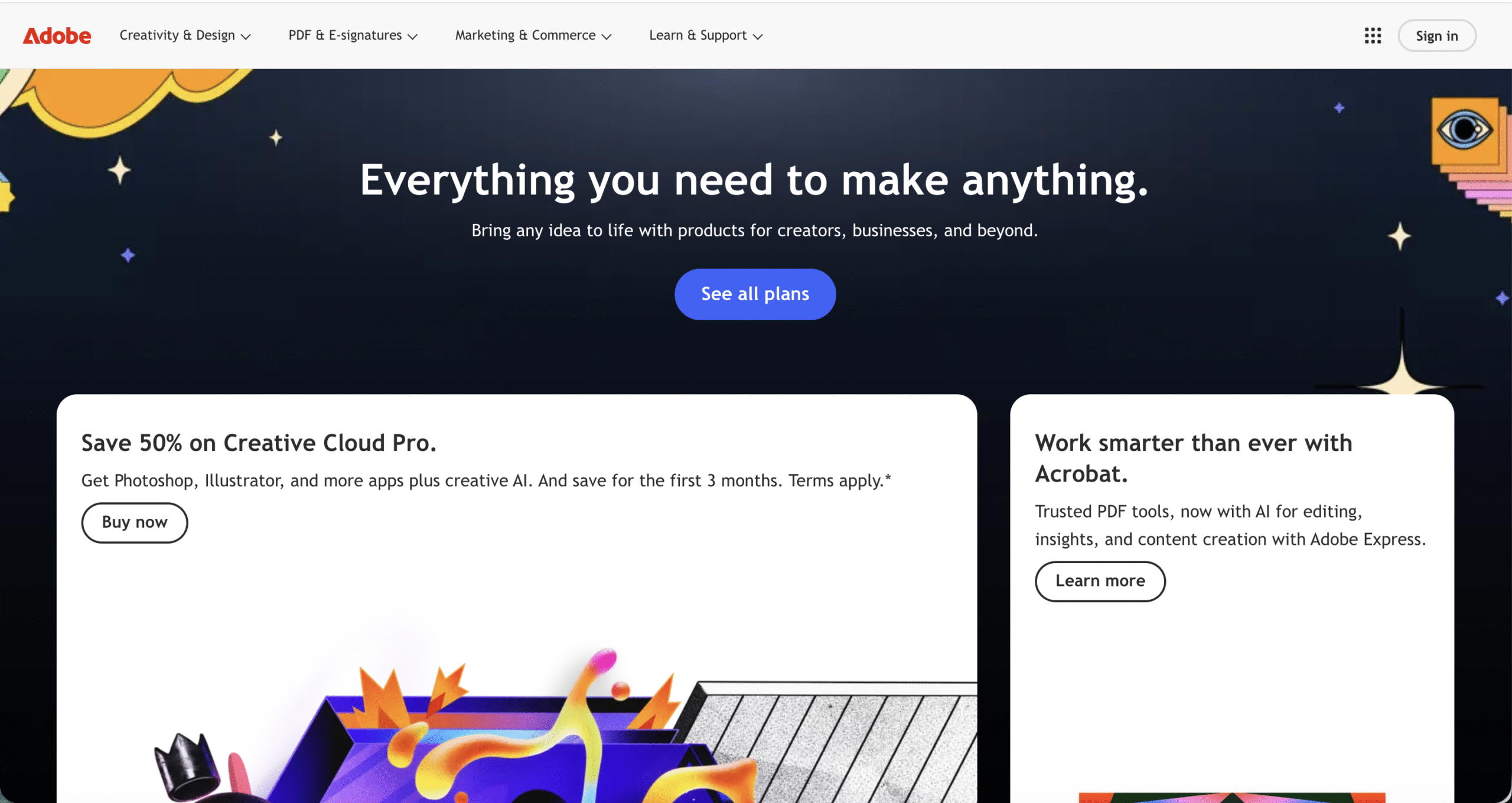
Adobe’s corporate website reflects its position as a global leader in creativity and digital tools. The homepage uses modular sections that clearly separate products, solutions, and audiences. Despite offering dozens of products, the site remains easy to scan and navigate.
What makes Adobe stand out is how it balances strong visual storytelling with performance. Pages load quickly, CTAs are clear, and each section feels purposeful rather than decorative. This is a strong example of how a complex product ecosystem can still deliver a clean corporate experience.
2. IBM
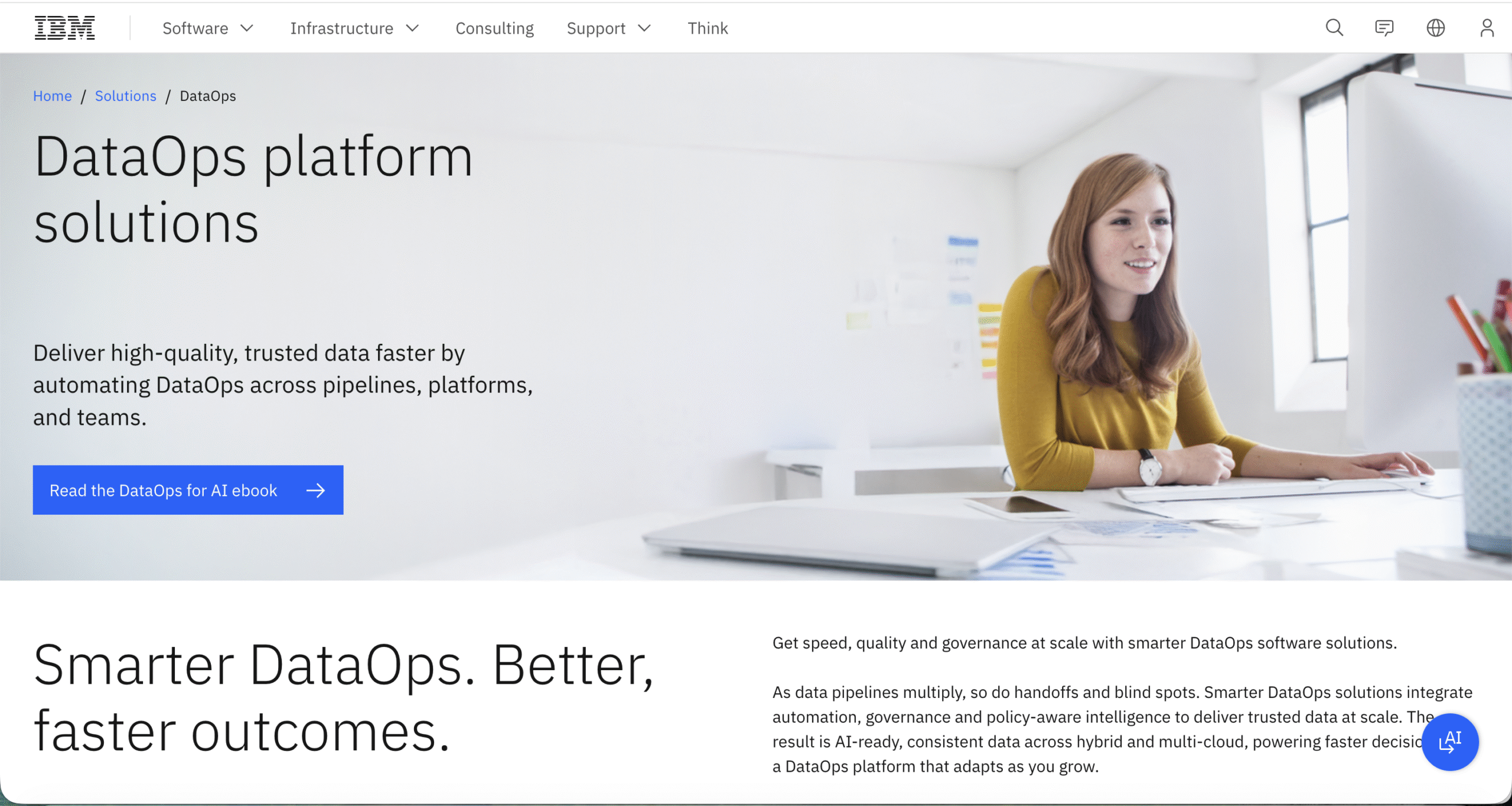
IBM’s website is a benchmark for enterprise-focused corporate design. It uses generous white space, sharp typography, and editorial-style layouts to communicate authority and trust. The messaging speaks equally well to executives and technical audiences.
The site structure prioritises industries, solutions, and insights, making it easy for different stakeholders to find relevant information. IBM proves that minimalism, when executed well, can communicate scale and credibility.
3. Salesforce
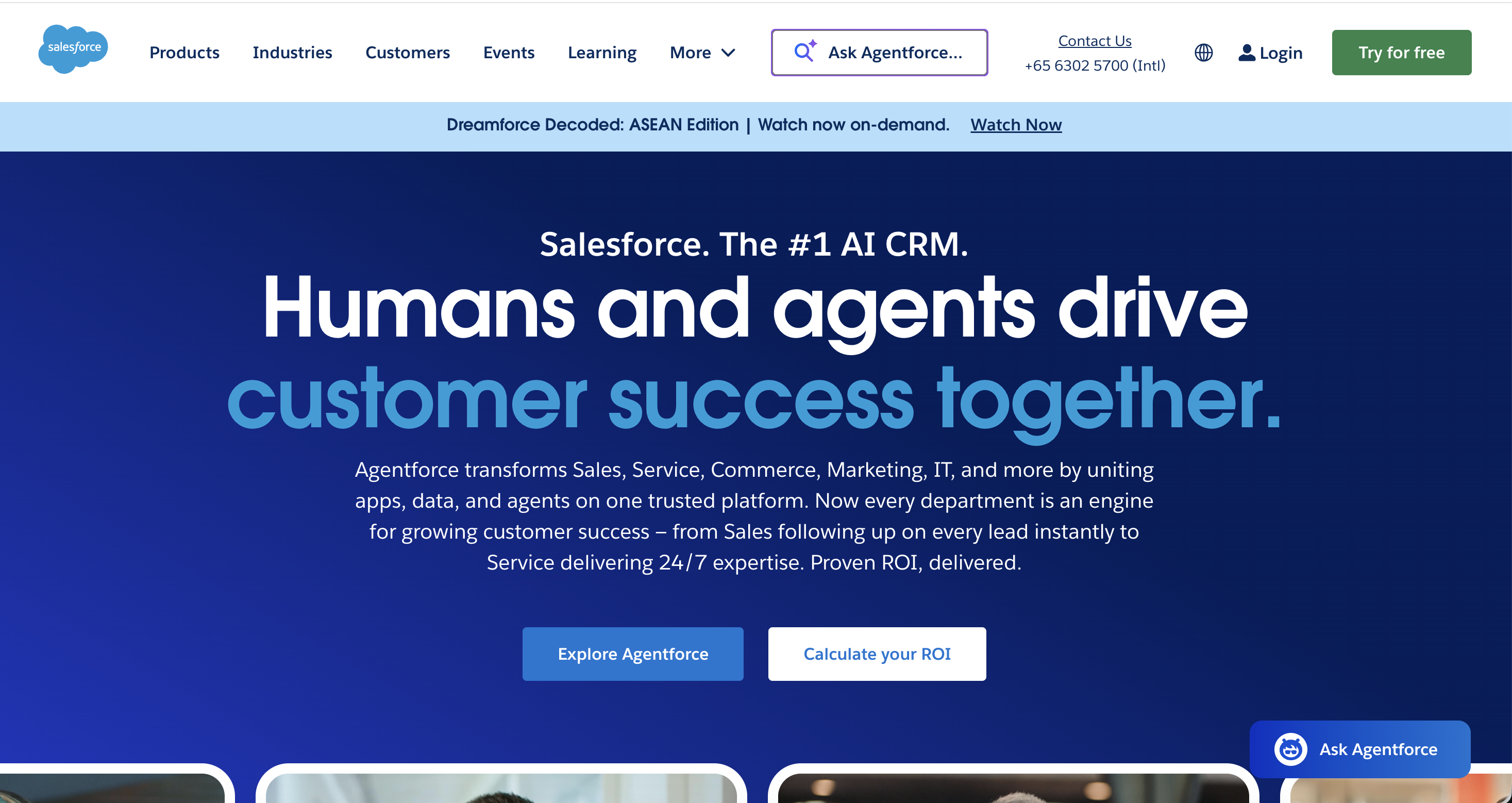
Salesforce’s corporate website is built to drive action. Clear headlines, product previews, and strong CTAs guide users through solutions rather than overwhelming them with features. Trust is reinforced through customer logos, case studies, and data-backed results.
The design also shows how a large enterprise brand can remain approachable. Visual consistency, friendly illustrations, and smooth animations make the site engaging without feeling informal.
4. Deloitte
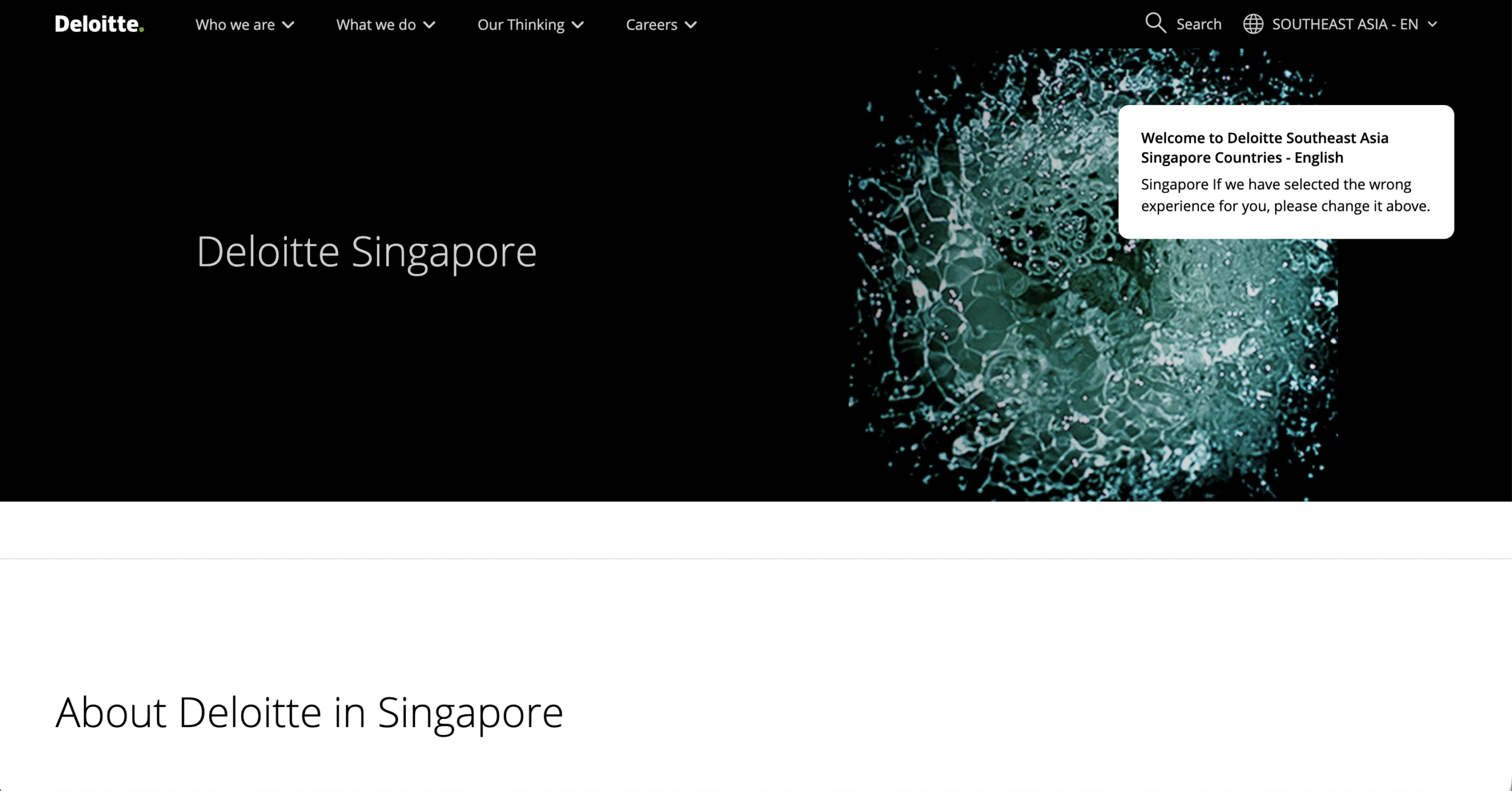
Deloitte’s website is content-led and credibility-driven. Instead of heavy sales messaging, it highlights insights, research, and trends. Each article preview includes structured metadata like topics and read times, helping busy users navigate efficiently.
This approach works especially well for professional services, where trust and expertise matter more than aggressive conversion tactics.
5. HubSpot
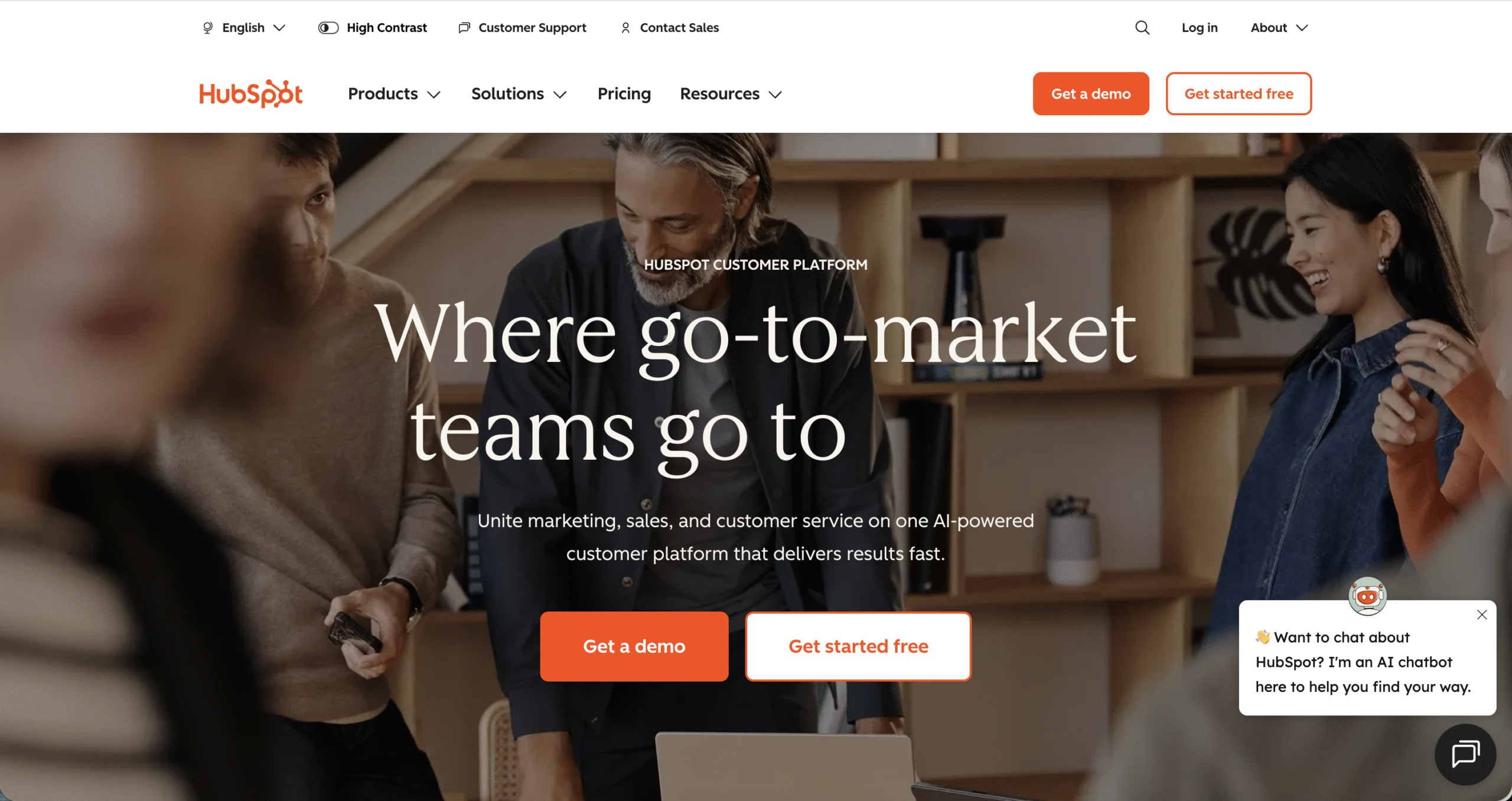
HubSpot’s corporate website is a strong example of clarity and user focus. The homepage quickly explains what the platform does, who it is for, and how it helps businesses grow. Product sections are broken down into simple modules, supported by real performance statistics.
The site also integrates education, resources, and training seamlessly, positioning HubSpot as both a software provider and a long-term partner.
6. Accenture
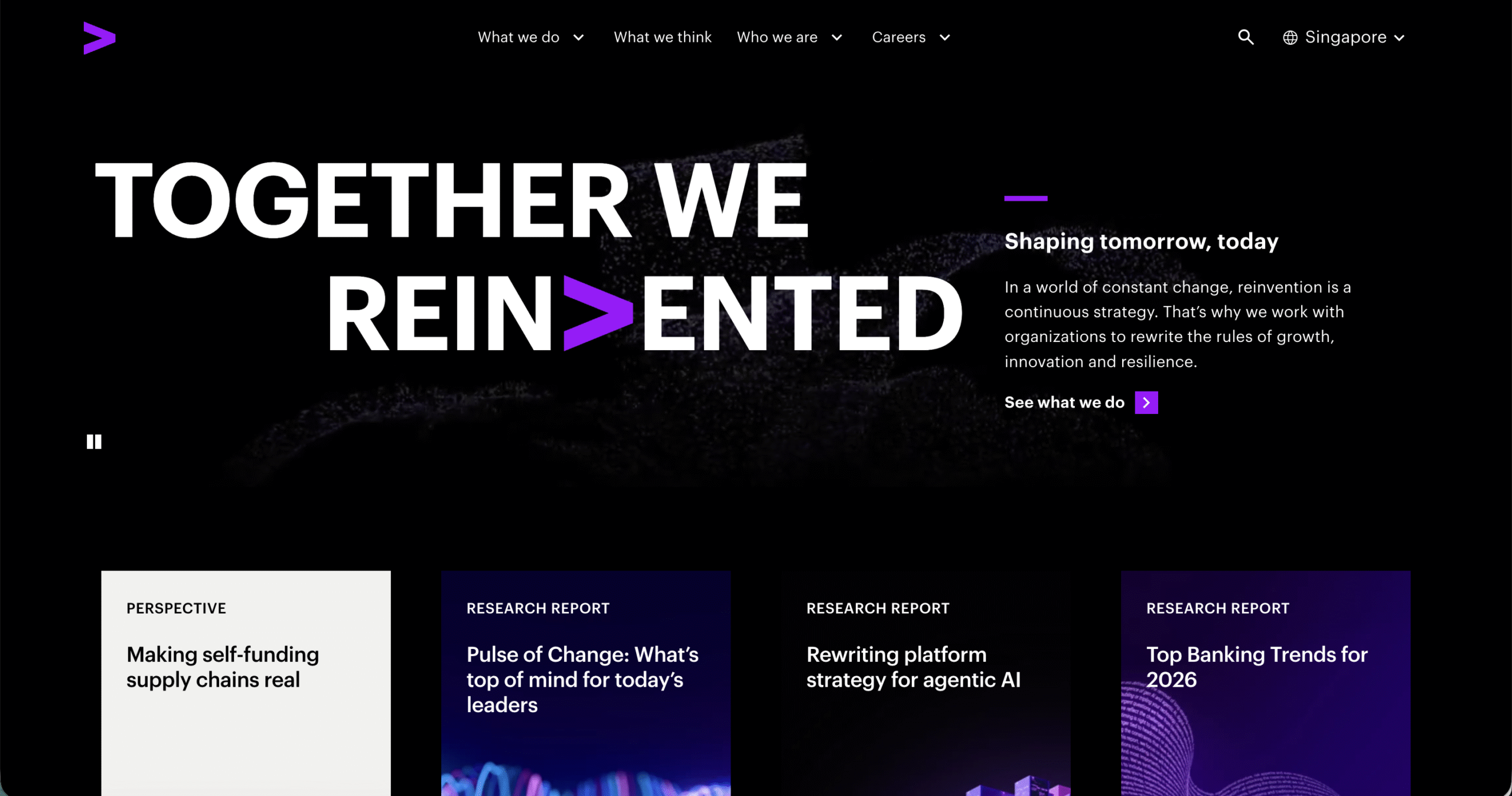
Accenture’s corporate website is bold, confident, and brand-led. Strong typography, high-contrast visuals, and abstract graphics reinforce its positioning around innovation and transformation.
Rather than overloading users with information, the site focuses on storytelling through case studies and thought leadership. This makes complex consulting offerings feel more tangible and relevant.
7. Cisco
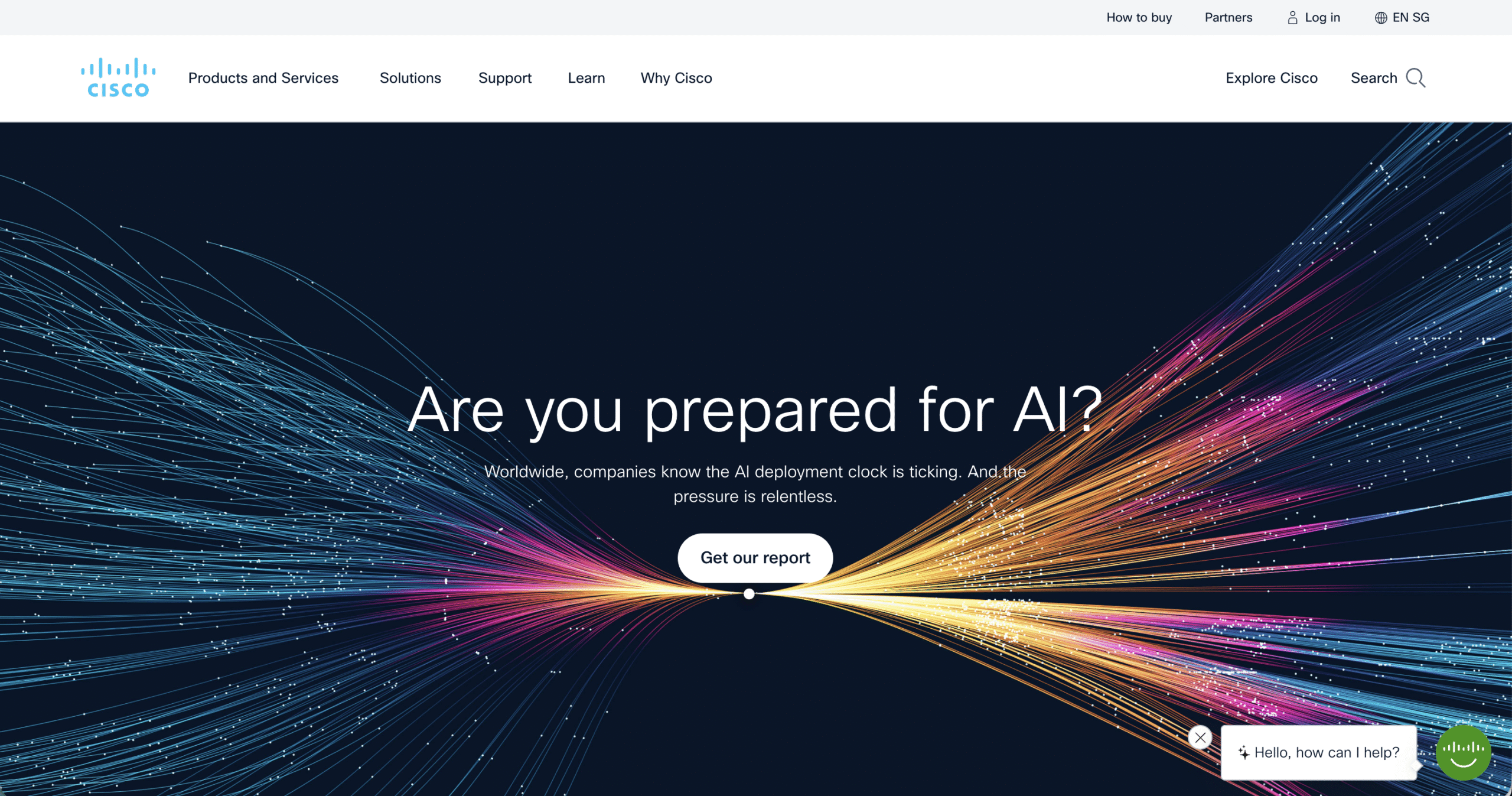
Cisco’s website excels in organisation and usability. With a wide range of products and solutions, the design relies on clear categorisation, icon-based navigation, and modular content blocks.
Quick access to support, training, and certifications shows strong user-centric thinking. Cisco demonstrates how corporate websites can support both marketing and existing customers effectively.
8. Oracle
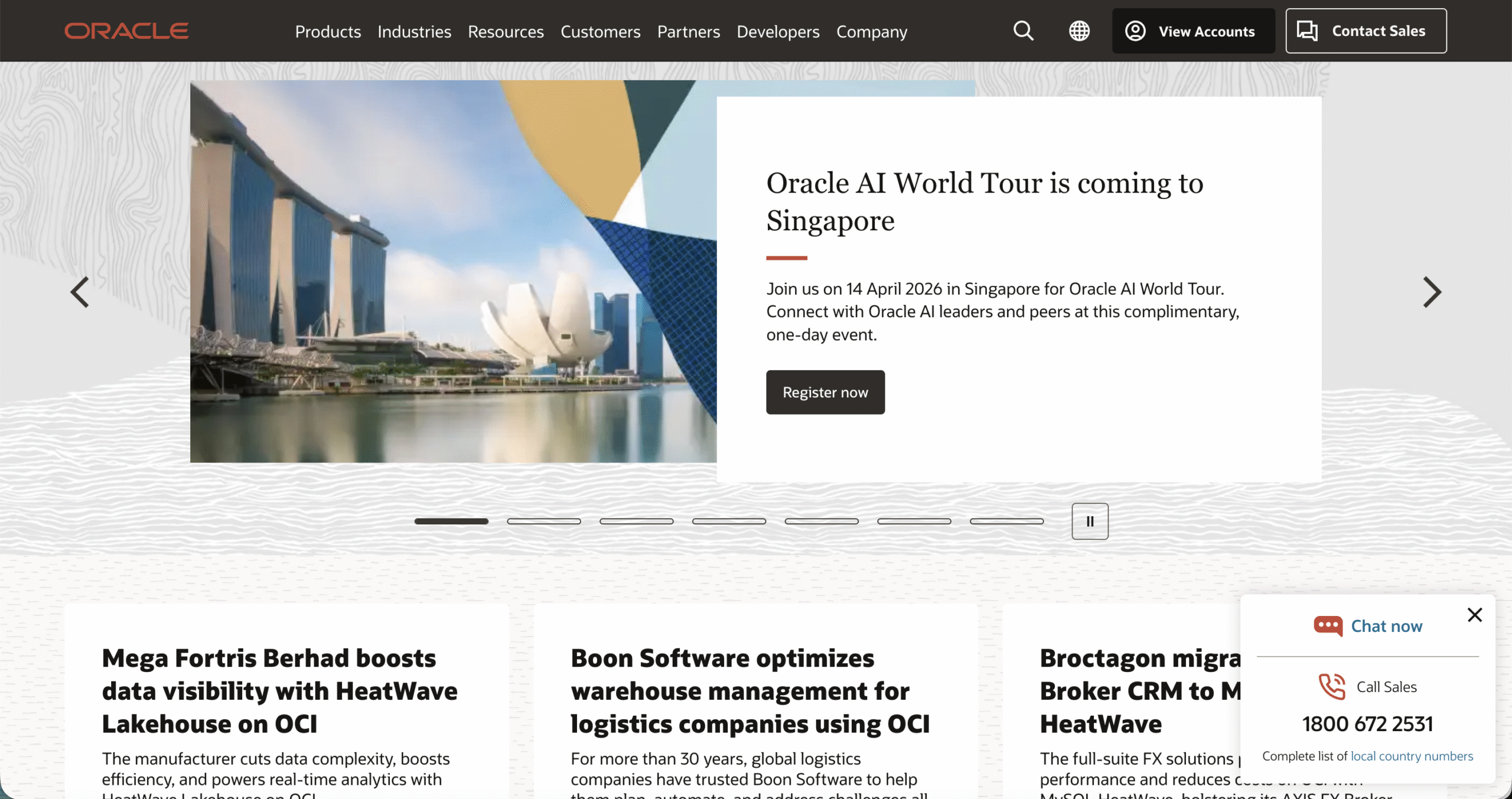
Oracle’s corporate website is heavily case-study driven. Real customer stories lead the homepage, helping visitors understand outcomes rather than just capabilities.
The site also clearly separates product lines, such as cloud infrastructure and applications, making it easier for enterprise buyers to navigate complex offerings without confusion.
9. General Electric (GE)
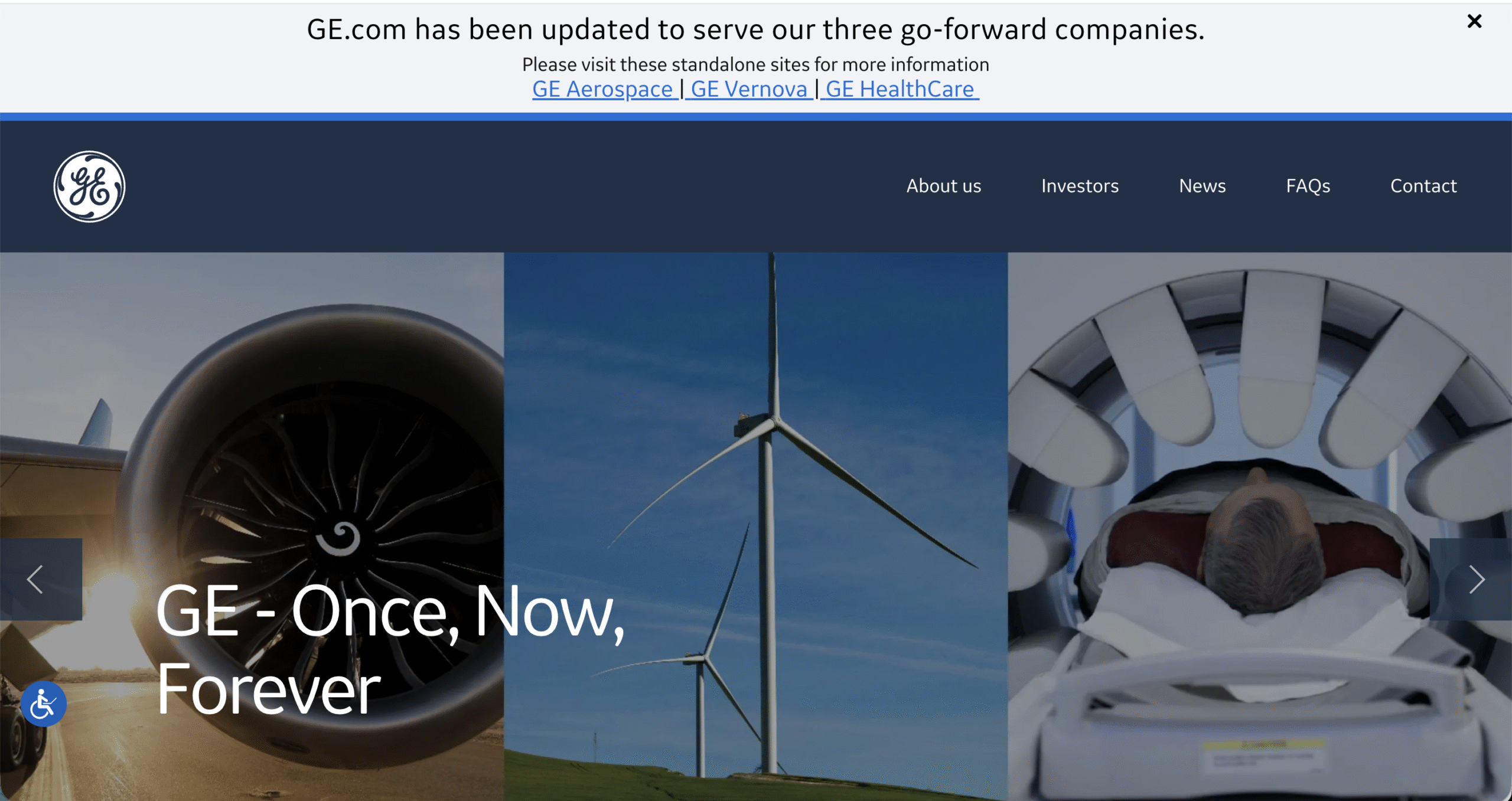
GE’s website reflects a brand in transformation. It communicates legacy, scale, and innovation through clean layouts, strong imagery, and clear segmentation of business units.
The design focuses on transparency and corporate responsibility, with easy access to investor information, sustainability reports, and company updates.
10. Intel
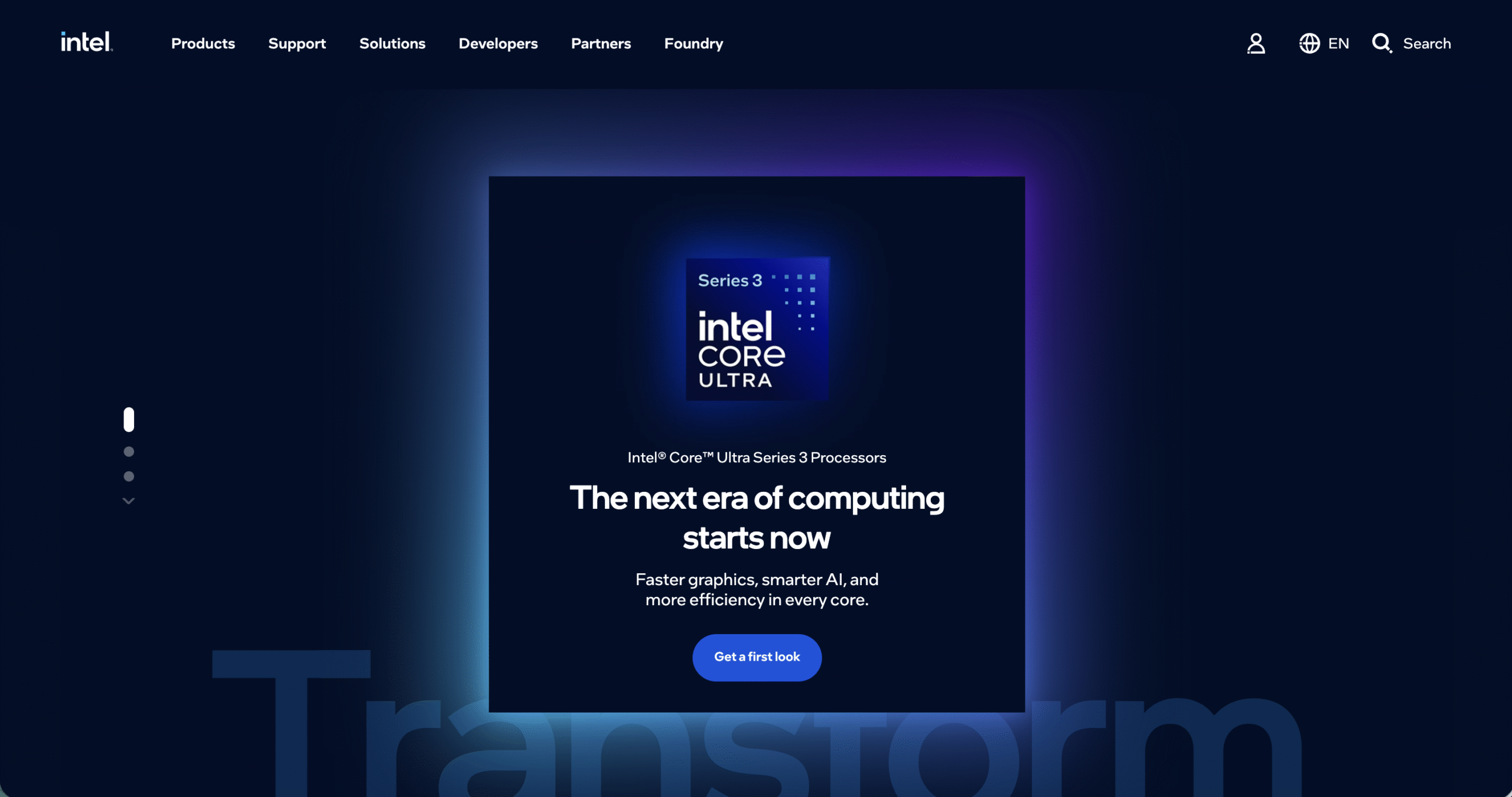
Intel’s corporate website balances technical depth with accessibility. Product sections are structured around use cases such as AI, data centres, and edge computing, rather than raw specifications.
The inclusion of developer resources and clear documentation pathways shows how corporate websites can serve multiple audiences without diluting the experience.
What These Best Corporate Website Designs Have in Common
Across all 10 examples, several patterns stand out:
-
Clear messaging within the first few seconds
-
Strong information architecture for complex offerings
-
Fast loading performance and mobile optimisation
-
Consistent brand systems across pages
-
Conversion paths that feel natural, not forced
According to Google research, improving site speed alone can increase conversion rates by up to 20 percent. Corporate websites that combine performance with clarity consistently outperform those focused only on aesthetics.
Turning Corporate Website Design Into a Growth Asset
The best corporate website design is not about copying layouts from global brands. It is about applying the same principles at the right scale for your business.
A strong corporate website should:
-
Build trust quickly
-
Support long decision-making cycles
-
Scale as your business grows
-
Integrate seamlessly with marketing and sales efforts
At MediaPlus Digital, corporate website design is approached strategically, combining UX, performance, and conversion-focused development. Businesses in Singapore rely on professionally designed corporate websites not just to look credible, but to drive real outcomes.
If your website no longer reflects your brand’s maturity or business goals, redesigning it with the right structure and strategy can turn it into one of your most valuable growth channels.