Every modern business uses multiple software systems. Your website, CRM, accounting platform, inventory management tool, and marketing automation all need to share information. When these systems cannot communicate, teams waste time copying data manually, and customers experience delays or errors.
API integration solves this problem.
API integration connects different applications through Application Programming Interfaces (APIs) so they can exchange data and trigger actions automatically. It is the foundation that allows companies to run faster and deliver better digital experiences.
If you want your systems to operate as one connected workflow, API integration is what makes it possible.
What is API integration?
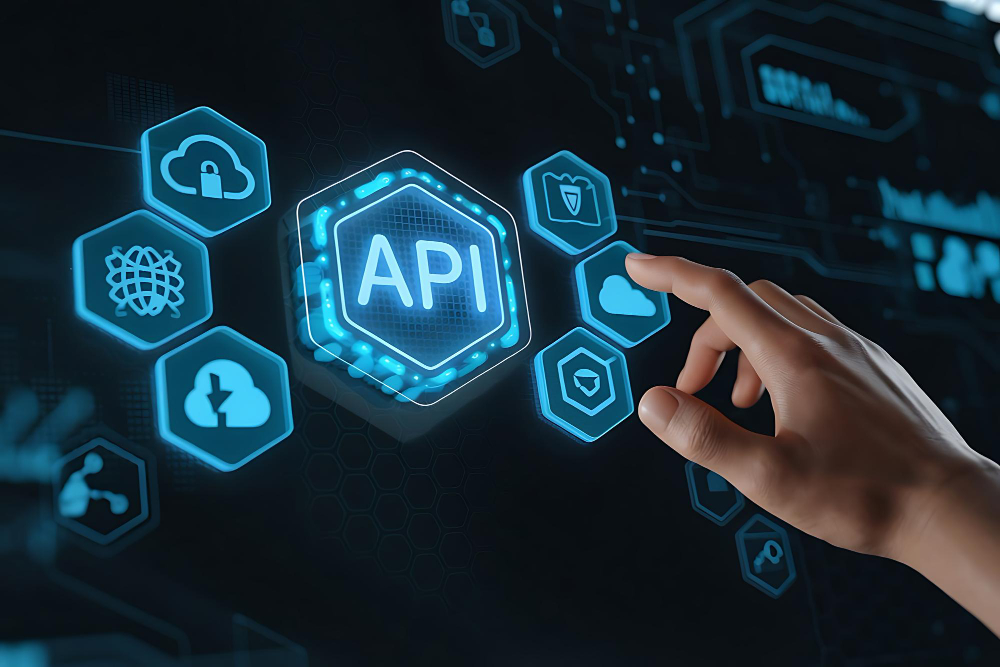
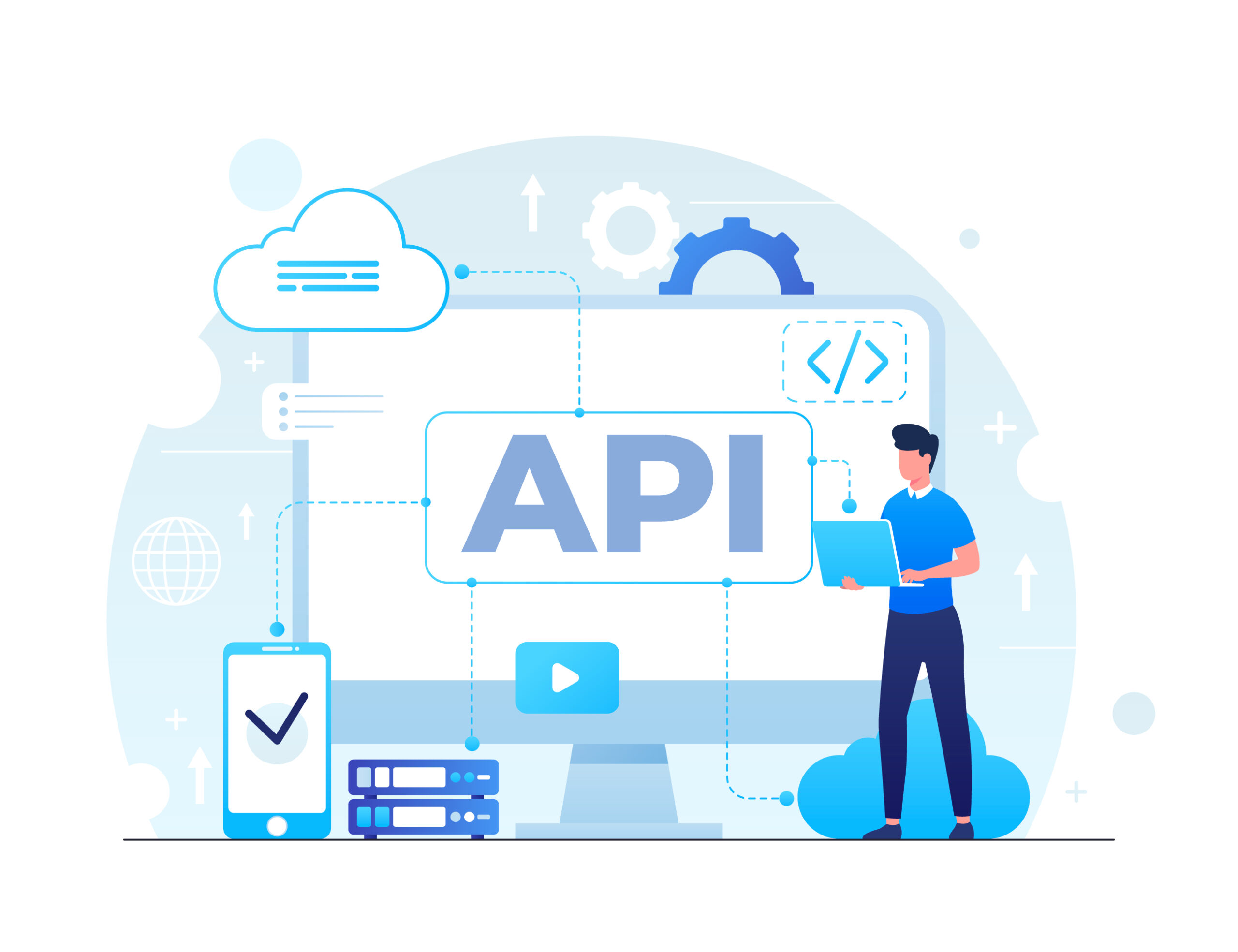
API integration is the process of using application programming interfaces, or APIs, to connect software applications, systems, and workflows so they can share data and work together smoothly.
An API is a set of rules that allows different software systems to communicate with each other. Through APIs, applications can exchange data, trigger actions, and access features without needing to know how the other system is built. This can be as simple as an eCommerce store connecting to a payment service like PayPal, or a blog pulling posts from a social media platform and displaying them automatically.
In larger enterprise environments, APIs play a much bigger role. They are used to connect complex systems and workflows, such as syncing data in real time between multiple databases, or linking separate applications to create automated business processes across departments.
In the past, many integrations were built using point-to-point connections, where systems were directly linked through custom code. These setups take significant time to build and maintain, and they become difficult to manage as the number of applications grows. In modern IT environments, where organizations often rely on hundreds or even thousands of distributed applications, this approach does not scale well.
API integration offers a more flexible and efficient alternative. By exposing integration flows through APIs, organizations can connect applications, platforms, and systems regardless of where they are hosted. This makes API integration a critical foundation for modern, scalable IT architectures.
Why is API integration important?
API integration is a foundational part of modern enterprise IT. It supports key integration tools such as integration platform as a service, or iPaaS, and plays a central role in IT modernization and digital transformation.
Modern organizations need flexible architectures that can support both legacy systems and new technologies at the same time. API integration makes this possible by providing a consistent, modern interface to enterprise systems, regardless of how old or new those systems are.
Modernization also does not happen all at once. As organizations gradually upgrade different parts of their IT landscape, they still need data, services, and business processes to work seamlessly across both modern and legacy systems. API integration enables this by decoupling the integration layer from the underlying applications.
This separation allows teams to innovate, build new capabilities, and adapt quickly without waiting for every system to be fully modernized. As a result, organizations can stay agile, reduce risk, and continue moving forward while modernization is still in progress.

API integration use cases
API integration supports several important business outcomes across modern organizations.
Integration of databases
The value of artificial intelligence depends heavily on access to high-quality data. When data is siloed across departments, outdated, or inconsistent, it limits what AI tools can achieve. By integrating databases and business applications, organizations can create more complete and reliable data sets.
This unified view of data helps teams train better AI models, improve accuracy, and generate stronger insights that support smarter decision-making.
Democratization of data and line-of-business ownership
Innovation is no longer driven solely by IT teams. Line-of-business teams and citizen technologists are increasingly expected to build integrations and automate workflows themselves.
As more non-specialists take on integration tasks, the risks of system sprawl, inefficiency, and security or governance issues grow. API integration, often supported by iPaaS platforms, helps manage these risks. Through low-code and no-code tools, non-IT users can build integrations safely while maintaining control, consistency, and oversight.
This approach enables broader access to data while keeping governance intact.
Leveraging legacy systems during modernization
Many organizations rely on long-standing on-premises systems that hold large volumes of valuable data. These systems are often difficult or expensive to replace and were not designed to work with modern, real-time or AI-driven applications.
API integration allows organizations to extend the usefulness of these legacy systems by exposing their data and functionality through modern interfaces. Instead of relying on temporary workarounds that add cost and complexity, APIs provide a cleaner way to connect core systems with new technologies as modernization efforts continue.
Connecting systems across different environments
Most enterprises operate systems across multiple environments, including on-premises infrastructure, cloud platforms, and SaaS applications. Systems such as CRM, ERP, and supply chain management must stay synchronized for the business to run smoothly.
For example, an organization may use on-premises ERP and supply chain systems while relying on a cloud-based CRM and customer support platform. API integration bridges these environments, ensuring consistent data flow and reliable communication between systems, regardless of where they are hosted.
Examples of API integration
APIs are used in many different ways to trigger and support integrations. Some of the most common examples include the following.
Enterprise software integrations
Organizations rely on API integration to automate and streamline workflows across enterprise software systems. For example, APIs can be used to connect inventory management software with order management systems so stock levels and incoming orders stay aligned and visible to relevant teams.
APIs are also widely used to integrate customer relationship management systems with other enterprise tools, such as ERP platforms. By syncing these systems through APIs, organizations ensure that data flows smoothly between them, creating a single, consistent source of accurate information across the business.
Cloud service integrations
APIs make it possible to connect applications and services across cloud platforms and on-premises environments. These integrations allow data to move reliably across systems, locations, and regions.
By enabling this connectivity, cloud service integrations help organizations break down data silos and build more efficient, end-to-end workflows that span multiple environments.
Messaging and collaboration integrations
Many API integrations are encountered every day, often without users realizing it. Messaging and collaboration tools like Slack use APIs to connect with other business applications that teams rely on.
For example, a cloud-based file storage service can be integrated directly into a messaging platform, allowing users to upload, share, and access files without leaving the conversation. These integrations reduce context switching and make it easier for employees to complete tasks within a single workspace.

Types of APIs That Power Integrations
APIs are not all the same. Choosing the right type affects security, performance, and how easily systems can work together. In most integration projects, you will see four main categories.
1. Open APIs (Public APIs)
Open APIs are publicly available for external developers to use. They are usually documented, versioned, and accessed with an API key or token.
They are commonly used for:
-
Payment gateways such as Stripe or PayPal
-
Social logins such as “Sign in with Google” or “Login with Facebook”
-
Marketing and CRM tools such as HubSpot, Mailchimp, or Salesforce
Open APIs help businesses extend their reach and connect with a broad ecosystem of apps and platforms. From a business point of view, they are ideal when you want third parties to build on top of your service or when you need to plug external capabilities quickly into your website or application.
2. Partner APIs
Partner APIs are not fully public. They are shared with selected partners under an agreement or contract.
Typical use cases include:
-
Logistics partners integrating directly with your ecommerce or inventory system
-
Banks and fintechs exchanging transaction or identity data
-
Travel companies sharing booking, pricing, and availability data
Partner APIs are secured, monitored, and governed more strictly than public APIs. Access is usually controlled with approvals, rate limits, and stricter authentication. They are designed to support stable, long term collaboration where both sides rely on accurate and timely data.
3. Internal APIs (Private APIs)
Internal APIs are only used inside the organisation. They are not exposed to customers or external partners.
They support scenarios such as:
-
Connecting backend services like billing, inventory, CRM, and reporting
-
Enabling mobile apps or web apps to talk to internal services
-
Standardising how different teams access the same data source
Internal APIs help large teams avoid building “one off” integrations for every system. Developers can reuse the same APIs across multiple projects, which improves consistency and speeds up delivery. They also make it easier to modernise old systems by placing an API layer in front of them instead of rewriting everything.
4. Composite APIs
Composite APIs allow multiple API calls to be combined into one request. Instead of the client calling five different APIs, it calls one composite API that orchestrates everything in the background.
This is useful when:
-
A page or mobile screen needs data from several services at once
-
You want to reduce the number of network calls to improve performance
-
A complete business action involves several steps, such as creating an order, reserving stock, and sending a confirmation
Composite APIs are common in microservices architectures where many small services must work together. They make the client side simpler and can significantly reduce latency, especially for mobile users or complex dashboards.
Benefits of API Integration for Business Growth
API integration is not just a technical upgrade. It directly improves the way a company operates, serves customers, and scales. When systems work together instead of in isolation, digital transformation becomes faster and much more cost effective.
Smarter Automation That Saves Time
Many businesses still rely on manual work such as updating spreadsheets or copying customer information between platforms. This slows down processes and increases the risk of errors.
API integration automates the transfer of data across systems in real time. For example, when sales completes a deal, customer information can instantly move to billing, fulfilment, and support. Workflows become smoother, and employees can focus on higher value activities like customer care and strategy rather than data entry.
Better Customer Experience Across Every Touchpoint
Customers expect quick responses and consistent information. When systems are disconnected, delays happen and customer frustration grows.
APIs ensure that every system sees the same data at the same time. This leads to:
- Faster checkout and payment confirmation
- Immediate order updates and delivery tracking
- Accurate product availability across stores and online
- Personalised recommendations based on real behaviour
When customer journeys feel effortless, satisfaction and retention naturally increase.
Stronger Data for AI, Analytics, and Decision Making
Today’s competitive advantage comes from insights. If data is stored in multiple systems and not synced, businesses cannot trust their reporting or train AI tools effectively.
API integration consolidates information into a single source of truth. With cleaner, more complete datasets, businesses can:
- Predict demand more accurately
- Personalise marketing campaigns
- Identify bottlenecks and opportunities faster
- Use AI automation to improve recommendations and support
Better data leads to smarter decisions and stronger performance.
Lower Technology Costs and Less Disruption
Replacing legacy systems can be expensive and risky. Many businesses delay improvement because they fear downtime or high development costs.
API integration extends the life of existing platforms by connecting them to modern cloud tools. New features can be added without rebuilding core systems. This reduces:
- Vendor lock in
- Custom development expenses
- Expensive system migrations
Businesses get modern capabilities while protecting their previous investments.
Scales Easily as the Business Grows
Growth often brings complexity. More users, more transactions, more software tools. Without a scalable architecture, operations can quickly break.
API integration creates a modular environment where new tools plug in easily. As needs evolve, companies can:
- Introduce new automation and analytics solutions
- Expand ecommerce and global operations
- Support larger customer bases without huge IT changes
APIs keep the technology stack flexible so expansion is smooth, not stressful.
Key Features of Modern API Integration Platforms
Businesses often use middleware such as iPaaS (Integration Platform as a Service) to streamline integration. Useful capabilities include:
- Prebuilt connectors for popular software
- No code or low code tools for faster deployment
- Centralised monitoring and error alerting
- Support for both cloud and on premise systems
With these platforms, even non developers can automate workflows safely.
API Integration by Industry
- Retail. Sync ecommerce with in store systems for real time stock and personalised marketing
- Healthcare. Secure exchange of patient records for coordinated care
- Finance. Automated banking transactions and fraud checks
- Travel and hospitality. Booking, flight data, hotel operations connected in one place
- Education. Student systems synced with learning platforms
- Manufacturing. Live visibility into supply chain and production status
No matter the sector, businesses need data to flow smoothly.
Work With an API Integration Partner in Singapore
At MediaPlus Digital, API integration is not a standalone add-on. It is built into how we design and develop digital products, so every system works together from day one.
Web Design & Website Development
We design and build websites that are connected, not isolated.
API integration allows websites to communicate seamlessly with CRM systems, marketing platforms, analytics tools, and backend databases. This means customer data, lead submissions, content updates, and performance metrics are synced in real time, reducing manual work and improving visibility across teams.
Whether it’s a corporate website or a high-traffic marketing site, we ensure your website fits cleanly into your broader digital ecosystem.
Mobile App Development
Modern mobile apps depend on reliable APIs to function at scale.
We use API integration to connect mobile applications with backend services, databases, authentication systems, payment gateways, and third-party platforms. This enables real-time data updates, secure user access, and smooth in-app experiences across devices.
By designing APIs alongside the app architecture, we make sure your mobile product is fast, secure, and ready to grow as usage increases.
eCommerce Development
API integration is at the core of scalable eCommerce systems.
We integrate eCommerce platforms with inventory management, order processing, CRM, payment providers, and logistics systems to keep data accurate and up to date. Orders, stock levels, customer information, and revenue data flow automatically between systems, enabling efficient operations and better customer experiences.
This approach helps businesses reduce operational friction while supporting growth across multiple channels.