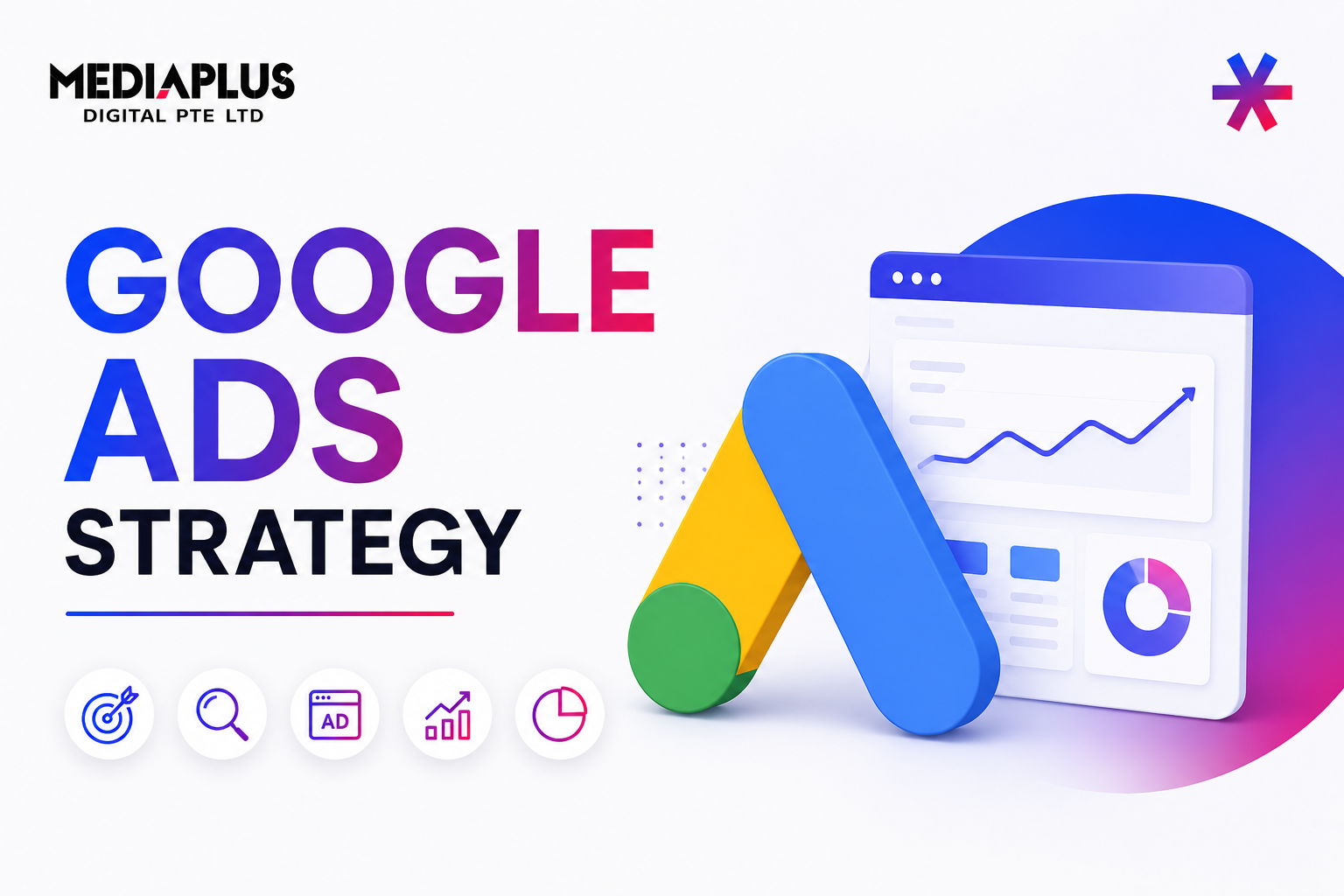
Running ads on Google can deliver powerful results, but only if campaigns are built on a clear and well-structured Google Ads strategy. Without the right strategy, businesses often waste advertising budgets on poorly targeted traffic and low-performing campaigns.
A strong Google Ads strategy helps companies reach customers at the exact moment they are searching for products or services. When done correctly, it can drive qualified traffic, increase conversions, and generate measurable return on investment.
In this guide, we explore the most effective strategies businesses use to run successful Google Ads campaigns.
What Is a Google Ads Strategy?
A Google Ads strategy is a structured approach to planning, launching, and optimizing advertising campaigns on Google.
It involves decisions such as:
-
Keyword targeting
-
Campaign structure
-
Budget allocation
-
Ad copy and creative development
-
Landing page optimization
-
Performance tracking
A well-planned strategy ensures ads reach the right audience and convert clicks into customers.
Why Google Ads Is Important for Businesses
Google processes billions of searches every day, which means businesses have the opportunity to appear in front of users who already have intent to buy.
The main advantages of Google Ads include:
-
Immediate visibility on search results
-
Precise audience targeting
-
Flexible budget control
-
Detailed performance tracking
-
Scalable advertising opportunities
Unlike SEO, which takes time to build organic rankings, Google Ads can generate traffic and leads almost instantly.
Key Elements of a Successful Google Ads Strategy
1. Conduct Thorough Keyword Research
Keyword research is the foundation of every Google Ads campaign.
Businesses must identify keywords that reflect strong purchase intent. These keywords usually fall into three categories:
-
Informational keywords
-
Commercial investigation keywords
-
Transactional keywords
Focusing on high-intent keywords ensures your ads reach users who are ready to take action.
2. Organize Campaign Structure Properly
A well-organized campaign structure improves both performance and budget efficiency.
Campaigns should be grouped based on:
-
Product or service categories
-
Target audiences
-
Geographic locations
-
Marketing objectives
Within each campaign, tightly themed ad groups ensure that keywords, ads, and landing pages remain highly relevant.
3. Write High-Performing Ad Copy
Ad copy plays a critical role in attracting clicks and encouraging users to engage with your business.
Effective Google Ads copy typically includes:
-
Clear value propositions
-
Strong call-to-action phrases
-
Relevant keywords
-
Unique selling points
Ad extensions such as sitelinks, callouts, and structured snippets can also improve visibility and click-through rates.
4. Optimize Landing Pages
Sending traffic to poorly optimized pages can significantly reduce conversion rates.
Landing pages for Google Ads should:
-
Match the search intent of the user
-
Deliver clear messaging
-
Include strong call-to-action buttons
-
Load quickly on mobile devices
-
Reduce unnecessary distractions
A seamless user experience increases the chances that visitors will convert.
5. Use Smart Bidding Strategies
Google Ads provides several automated bidding strategies designed to maximize performance.
Common bidding strategies include:
-
Maximize conversions
-
Target CPA (Cost Per Acquisition)
-
Target ROAS (Return on Ad Spend)
-
Maximize clicks
Choosing the right bidding strategy depends on your campaign goals and available data.
6. Use Audience Targeting
Google Ads allows businesses to refine campaigns using audience targeting options such as:
-
Demographics
-
Interests
-
Remarketing lists
-
In-market audiences
By targeting users who are more likely to convert, businesses can significantly improve campaign performance.
7. Implement Remarketing Campaigns
Remarketing targets users who have already visited your website but did not convert.
These campaigns remind potential customers about your brand through ads displayed across Google’s network.
Remarketing often delivers higher conversion rates because it focuses on users who have already shown interest in your products or services.
8. Monitor and Optimize Performance
Successful Google Ads strategies rely on continuous optimization.
Key metrics to monitor include:
-
Click-through rate (CTR)
-
Conversion rate
-
Cost per conversion
-
Quality score
-
Return on ad spend (ROAS)
Regular testing and optimization help improve campaign efficiency and reduce wasted ad spend.
Types of Google Ads Campaigns
Google Ads offers several campaign formats designed to achieve different marketing goals.
Search Ads
Search ads appear at the top of Google search results when users type relevant keywords.
They are ideal for capturing high-intent traffic.
Display Ads
Display ads appear across websites, mobile apps, and videos within Google’s Display Network.
These campaigns are effective for building brand awareness and retargeting visitors.
Shopping Ads
Shopping ads showcase product images, prices, and store information directly in search results.
They are widely used by e-commerce businesses to promote products visually.
Video Ads
Video ads appear on YouTube and across the Google video partner network.
These campaigns help brands engage audiences through visual storytelling.
Common Mistakes in Google Ads Campaigns
Even experienced advertisers sometimes make mistakes that reduce campaign performance.
Some common issues include:
-
Targeting overly broad keywords
-
Sending traffic to poorly optimized landing pages
-
Ignoring negative keywords
-
Setting unrealistic budgets
-
Not tracking conversions properly
Avoiding these mistakes can significantly improve advertising results.
Google Ads & SEM Services by Mediaplus Digital Singapore
Building a high-performing Google Ads strategy requires expertise in keyword research, campaign management, and data analysis. Businesses seeking professional support can work with agencies such as Mediaplus Digital Singapore.
Their Google Ads service helps companies design and manage advertising campaigns that drive measurable business growth.
Google Ads Service
Comprehensive campaign management designed to maximize advertising performance and ROI.
Key services include:
-
Keyword research and campaign setup
-
Ad copy development
-
Bid strategy optimization
-
Conversion tracking and analytics
SEM Service
Search Engine Marketing strategies that combine paid advertising with data-driven optimization to increase visibility and lead generation.
This includes:
-
Campaign structure planning
-
Keyword targeting
-
Ongoing performance monitoring
Google Shopping Service
E-commerce businesses can leverage Google Shopping campaigns to showcase products directly in search results.
Benefits include:
-
Product listing optimization
-
Merchant Center integration
-
Shopping campaign management
Google Display Service
Display advertising helps brands expand their reach across millions of websites and apps within Google’s Display Network.
These campaigns are ideal for:
-
Brand awareness
-
Retargeting visitors
-
Expanding audience reach
By combining data analysis, creative strategy, and continuous optimization, Mediaplus Digital Singapore helps businesses run effective Google Ads campaigns that drive both traffic and revenue.
Final Thoughts
A strong Google Ads strategy can transform digital advertising into a powerful growth channel.
Businesses that focus on keyword research, campaign structure, optimized landing pages, and continuous testing are far more likely to achieve profitable results.
With the right strategy and expert support, Google Ads can become a reliable engine for generating leads, sales, and long-term business growth.